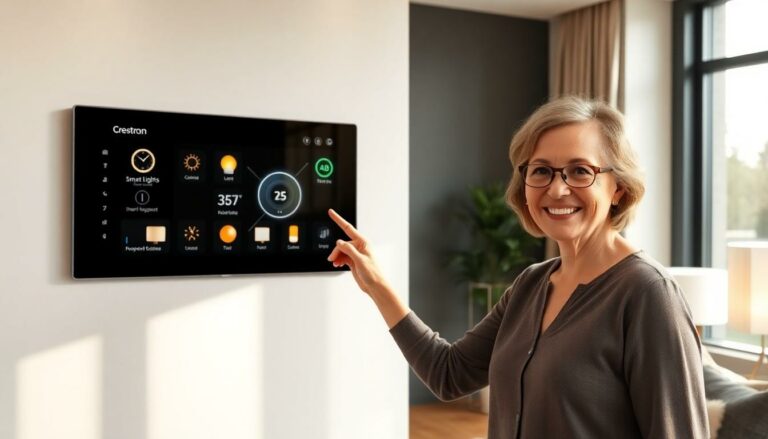
Imagine waking up in a home that knows you better than your best friend. An AI smart home isn’t just a futuristic dream; it’s the reality that’s knocking at your door. With a wave of your hand or a simple voice command, your home can adjust the lighting, brew your morning coffee, and even remind you to take out the trash—because let’s face it, that’s a reminder we all need.
As technology leaps forward, AI smart homes are transforming everyday living into a seamless experience. They’re like having a personal assistant, housekeeper, and security guard all wrapped into one. Ready to make your life easier and a little more fun? Dive into the world of AI smart homes and discover how they can turn your house into a haven of convenience and comfort. Who knew home sweet home could get this smart?
Overview of AI Smart Home Technology
AI smart home technology integrates artificial intelligence into residential environments, creating a connected and efficient living space. Automation systems manage tasks like lighting adjustments, temperature control, and security monitoring. With intelligent systems, homes become responsive to occupants’ preferences, optimizing energy consumption and enhancing comfort.
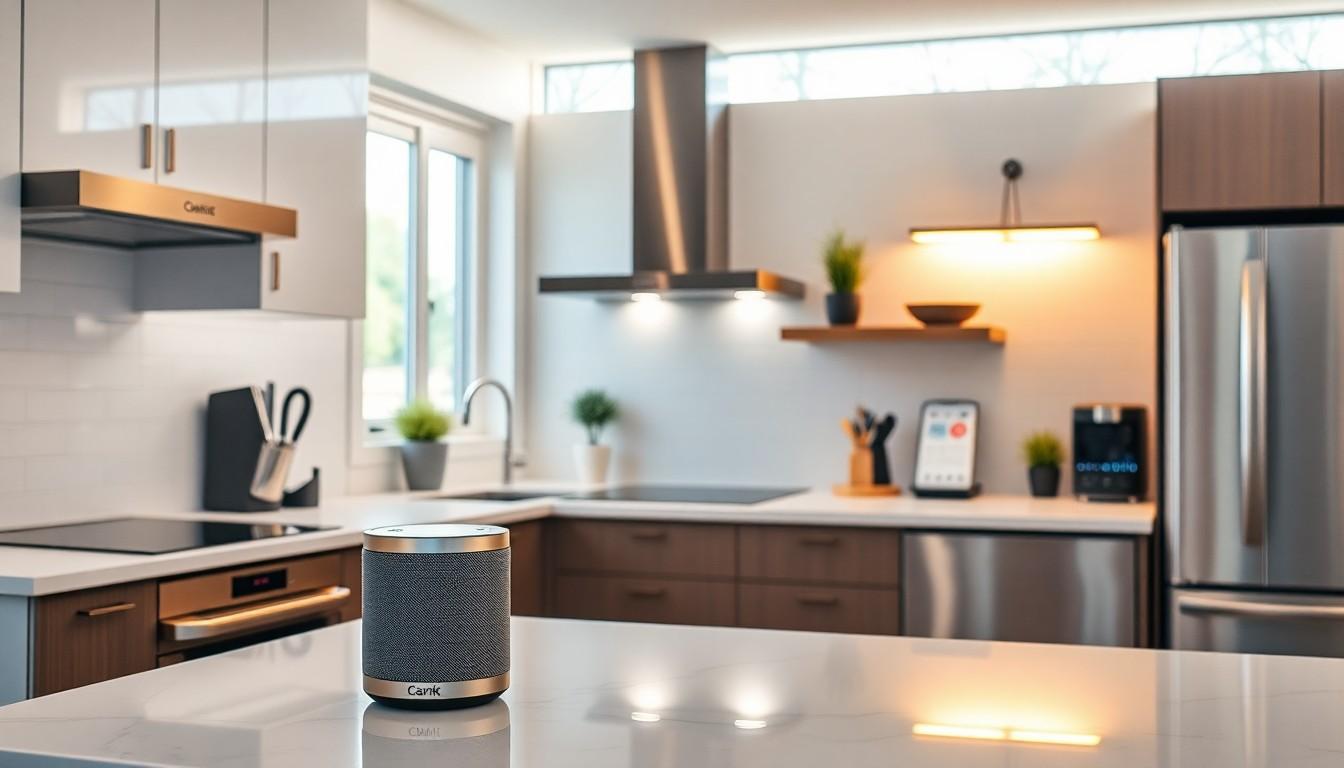
Smart speakers, equipped with virtual assistants, serve as central hubs for controlling devices. Voice commands enable users to manage everything from music playback to thermostat settings effortlessly. These interactive systems also facilitate communication with smart appliances, improving their functionality.
Sensors play a critical role in AI smart homes. They detect motion, monitor air quality, and adjust lighting based on natural daylight. This creates a dynamic atmosphere, ensuring comfort while promoting energy efficiency. For instance, automated blinds can close during peak sunlight to reduce heat, conserving energy.
Integration of security features strengthens the safety of AI smart homes. Surveillance cameras and smart locks can be controlled remotely, providing peace of mind to homeowners. Alerts notify users about suspicious activities, enabling quick responses.
Additionally, personalized routines enhance the user experience. Morning routines can be configured to gradually increase lighting while brewing coffee and playing preferred music. Such automation simplifies daily activities, allowing occupants to focus on other priorities.
Overall, AI smart home technology transforms living spaces, making them more convenient and efficient. This innovation signals a shift towards smarter living where homes adapt to the needs of their residents.
Benefits of AI Smart Homes

AI smart homes present numerous advantages that significantly improve daily living. They streamline tasks, enhance living environments, and ensure safety, making life more enjoyable.
Enhanced Convenience
Enhanced convenience stands out as a primary benefit. Residents can control lighting, temperature, and appliances through voice commands or mobile apps. Smart speakers act as central hubs, managing these functions effortlessly. Daily activities, such as scheduling coffee brewing and adjusting blinds, become automatic, saving time. Personal preferences can be programmed, ensuring the environment aligns with individual needs. As a result, homes adapt to the lifestyle of their occupants.
Energy Efficiency
Energy efficiency ranks high among the benefits of AI smart homes. Smart devices monitor consumption patterns, optimizing energy use and reducing waste. For instance, smart thermostats learn user preferences and adjust the temperature, helping save on utility bills. Automated lighting systems turn off when rooms are unoccupied, further contributing to energy conservation. By utilizing sensors that adjust conditions based on natural light, households can maintain comfort without unnecessary costs. This intelligent management leads to a notable reduction in energy expenses.
Improved Security
Improved security features provide peace of mind for homeowners. Surveillance cameras and smart locks allow remote monitoring and control, keeping properties secure. Notifications alert residents to any suspicious activity, ensuring proactive measures can be taken. Smart doorbells enable visual verification before granting access, enhancing trust and safety. Integration with home automation systems creates seamless security solutions tailored to individual needs. These advancements significantly reduce vulnerabilities, creating a safer living environment.
Popular AI Smart Home Devices
Effective AI smart home devices enhance convenience and efficiency. They work together to create a comfortable living environment.
Smart Speakers
Smart speakers serve as central hubs for controlling various devices. Users issue voice commands to manage lighting, set reminders, and play music effortlessly. Compatibility with multiple platforms allows integration with other smart home gadgets. Some models feature built-in virtual assistants, offering users immediate access to information and assistance. Enhanced sound quality makes streaming music and podcasts enjoyable. Overall, smart speakers simplify interactions with technology, allowing users to focus on daily activities.
Smart Thermostats
Smart thermostats optimize energy use by learning user habits. By adjusting heating and cooling automatically, they maintain comfortable temperatures while lowering utility bills. Sensors detect occupancy, allowing for more efficient climate control in unoccupied rooms. Users access smart thermostats through mobile apps to set schedules or make adjustments remotely. Some models provide energy consumption reports, helping users identify savings opportunities. This technology supports environmental sustainability while ensuring personal comfort and convenience.
Smart Locks
Smart locks improve home security with advanced features. These devices offer keyless entry options, allowing users to unlock doors via mobile apps or fingerprint recognition. Notifications alert homeowners to activity at their doors, whether family members arrive or visitors stop by. Many models integrate with home security systems, providing a unified approach to safety. Temporary access codes can be shared with guests for visits, ensuring controlled entry. Overall, smart locks enhance peace of mind and convenience while securing residential properties.
Challenges and Considerations
AI smart homes face several challenges that homeowners should recognize. Understanding these challenges ensures effective integration of smart technologies.
Privacy Concerns
Privacy emerges as a significant concern within AI smart homes. Devices collect data to optimize performance, risking unauthorized access to sensitive information. Homeowners may worry about constant monitoring by smart devices, especially if data is shared with third parties. Protecting information remains paramount, prompting users to carefully review privacy policies of products. Enhanced security measures can mitigate risks, such as employing robust passwords and enabling two-factor authentication.
Interoperability Issues
Interoperability stands as another challenge for AI smart homes. Many devices utilize different protocols and standards, complicating integration efforts. Achieving seamless communication requires compatible devices, often leading to frustration among users. Homeowners should prioritize compatibility when selecting devices, favoring products designed to work within established ecosystems. Investing in platforms that unify control can simplify management and improve user experience across smart home devices.
Future Trends in AI Smart Homes
AI smart homes continue to evolve, influenced by advancements in technology and user demands. Increased integration of machine learning algorithms enhances personalization, allowing homes to adapt to individual lifestyles. Smart devices become more intuitive, analyzing usage data to predict preferences and optimize daily routines.
Emerging trends highlight the development of advanced security features using AI. Surveillance systems become more sophisticated, incorporating facial recognition and behavior detection. Homeowners gain improved monitoring capabilities, receiving real-time alerts for unusual activities.
Sustainability also plays a significant role in shaping future AI smart homes. Energy management systems contribute to reduced consumption through smart grid integration. Residential spaces utilize renewable energy sources, allowing homeowners to track their energy usage and minimize carbon footprints.
Voice-activated virtual assistants advance further, making interactions with smart devices more seamless. These assistants provide recommendations based on user queries, offering greater convenience in daily decision-making. Routine management becomes streamlined, enhancing efficiency throughout the home.
Moreover, the rise of smart appliances creates a connected ecosystem that communicates with one another. Refrigerators can order groceries automatically when supplies run low, while ovens preheat remotely for meal preparation. These innovations promote a collaborative environment, simplifying tasks for residents.
Finally, user privacy and security remain paramount. Homeowners prioritize secure data handling as devices collect and store personal information. Manufacturers increasingly implement robust encryption protocols and user-friendly privacy settings to address concerns.
Future trends in AI smart homes promise a blend of convenience, efficiency, and security, contributing to a more responsive and sustainable living environment.
AI smart homes are revolutionizing the way people interact with their living spaces. By integrating advanced technology into daily routines, these homes offer unparalleled convenience and efficiency. The ability to automate tasks and enhance security not only simplifies life but also promotes energy savings.
As technology continues to evolve, the potential for smarter living environments grows. Homeowners can expect even more personalized experiences through improved machine learning and seamless device integration. While challenges like privacy and interoperability remain, the benefits of AI smart homes far outweigh the drawbacks.
Embracing these innovations leads to a more comfortable and secure lifestyle, making the future of home living exciting and promising. As AI smart home technology advances, it’s clear that the possibilities are endless.