Sexton beetles, also known as burying beetles or carrion beetles, aren’t the typical household pest most homeowners worry about. But when they show up, they bring a distinctive set of challenges that can turn basements, crawl spaces, and storage areas into unsettling territory. These beetles are drawn to decaying organic matter, and their presence often signals a deeper issue lurking in or around a home. Understanding what attracts them, how to spot an infestation, and what DIY tactics actually work can save homeowners from both the beetles themselves and the conditions that invite them in.
Table of Contents
ToggleKey Takeaways
- Sexton beetle infestations in homes signal a hidden sanitation issue, usually a dead rodent or animal in walls, attics, or crawl spaces that must be located and removed to eliminate the problem.
- Identifying sexton beetles by their distinctive black bodies with orange markings and nocturnal activity near baseboards, foundations, and basement windows helps catch infestations early before they spread.
- Effective sexton pest control requires a two-step approach: removing the carcass, vacuuming visible beetles, applying residual insecticide, and sealing entry points as small as 1/8 inch to prevent future invasions.
- Natural remedies like diatomaceous earth, sticky traps, and essential oils can supplement DIY sexton pest control, but chemical insecticides and professional services are more reliable for active infestations.
- Long-term prevention through rodent control, foundation maintenance, moisture management, and regular attic and crawl space inspections ensures sexton beetles stay outside where they perform their important ecological role.
- Professional pest control services are necessary when carcasses are hidden in inaccessible locations, infestations recur, or household members have health concerns that make exposure to decomposition pathogens risky.
What Are Sexton Beetles and Why They Matter to Homeowners
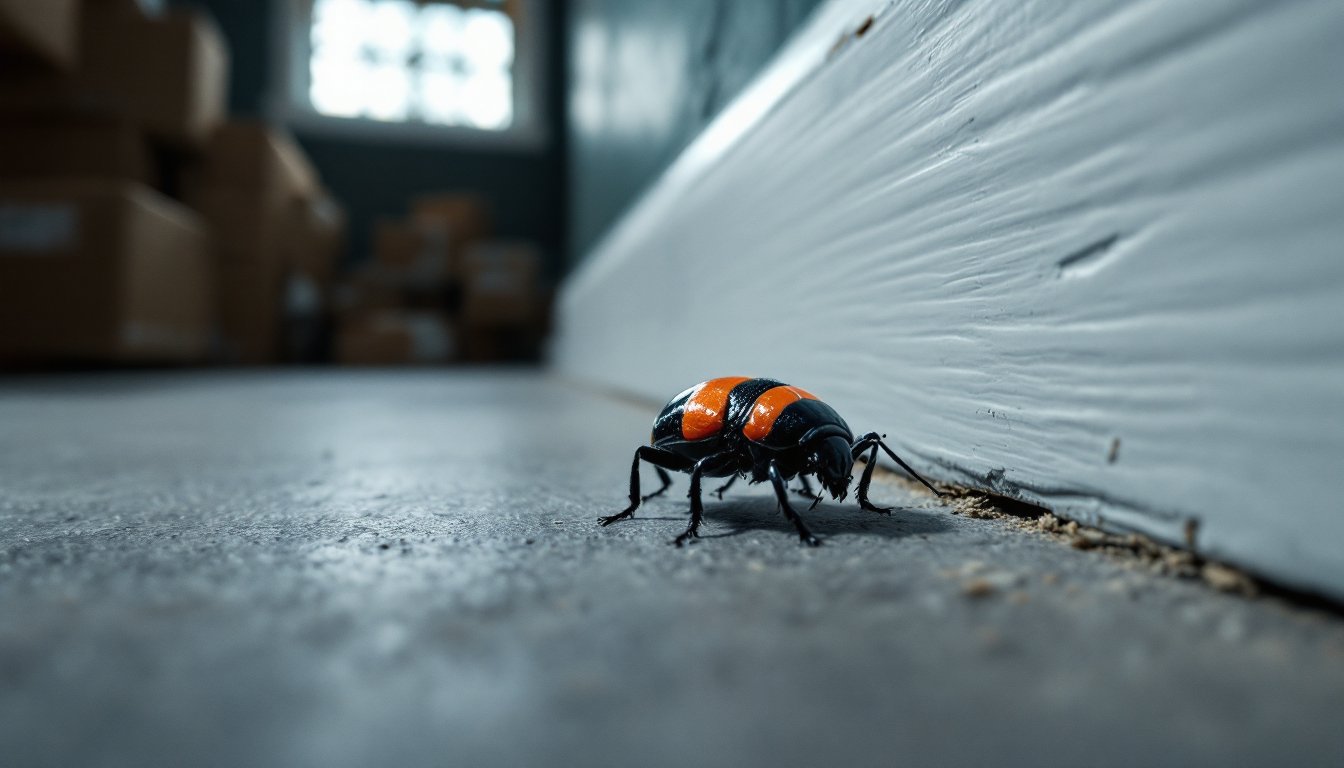
Sexton beetles belong to the Silphidae family, a group of insects specialized in feeding on and burying dead animals. Adult beetles typically measure 0.5 to 1.5 inches in length and display distinctive orange or red markings on black elytra (wing covers). They’re nature’s cleanup crew, breaking down carcasses and returning nutrients to the soil.
In outdoor environments, these beetles serve an essential ecological role. Problems arise when they migrate indoors, usually following the scent of dead rodents, birds, or other small animals trapped in walls, attics, or crawl spaces. Homeowners often encounter them in basements, garages, or utility rooms where a hidden carcass has attracted them.
While sexton beetles don’t bite humans, damage wood, or spread disease like some pests, their presence indicates a sanitation issue that needs immediate attention. A single dead mouse in a wall cavity can draw dozens of beetles, and once they locate a food source, they’ll remain until it’s completely consumed. Ignoring the problem allows the beetles to complete their lifecycle indoors, potentially leading to recurring infestations as new generations emerge.
How to Identify a Sexton Beetle Infestation in Your Home
Identification starts with knowing what you’re looking at. Adult sexton beetles are relatively large and hard to miss, their black bodies with bright orange bands make them stand out against most surfaces. They’re slow-moving compared to roaches or carpet beetles, and they’re often found near floor-level cracks, baseboards, or basement windows.
Larvae look different: white to cream-colored, segmented, and somewhat grub-like, measuring up to 0.75 inches when fully grown. They’re typically found closer to the food source, often inside wall voids or under insulation where a carcass is decomposing.
Common Signs of Sexton Beetle Activity
Spotting the beetles themselves is the most obvious sign, but there are other indicators:
- Foul odor: A strong, unpleasant smell of decay, often concentrated in one area of the home (a wall, ceiling, or floor cavity).
- Increased beetle sightings at night: Sexton beetles are nocturnal and more active after dark, especially near light sources like basement windows or exterior doors.
- Dead beetles near windowsills or foundation cracks: Adult beetles may attempt to exit once their food source is depleted, often dying near escape routes.
- Presence of other scavenger insects: Flies, dermestid beetles, or other carrion feeders alongside sexton beetles confirm a decaying animal is nearby.
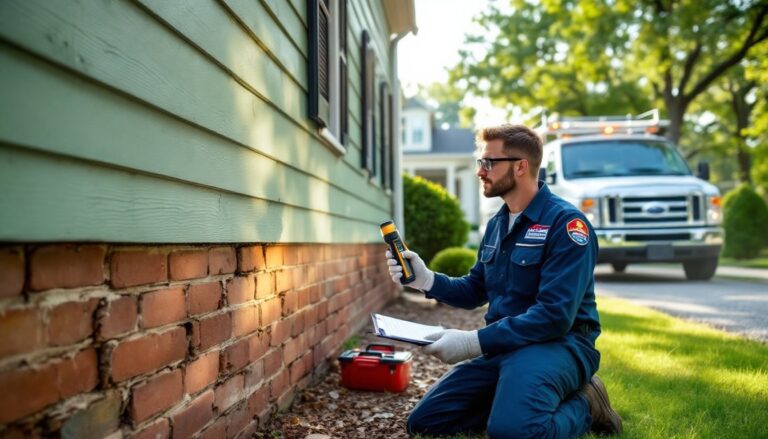
If you’re seeing multiple beetles over several days, start investigating. Check behind appliances, inside rarely opened cabinets, and near HVAC vents. Use a flashlight to inspect wall voids through electrical outlets (turn off power first) or access panels. Many homeowners dealing with certified pest control services report that the hardest part isn’t killing the beetles, it’s locating the carcass.
DIY Methods for Sexton Beetle Control and Prevention
Effective control requires a two-pronged approach: eliminate the beetles and remove what’s attracting them.
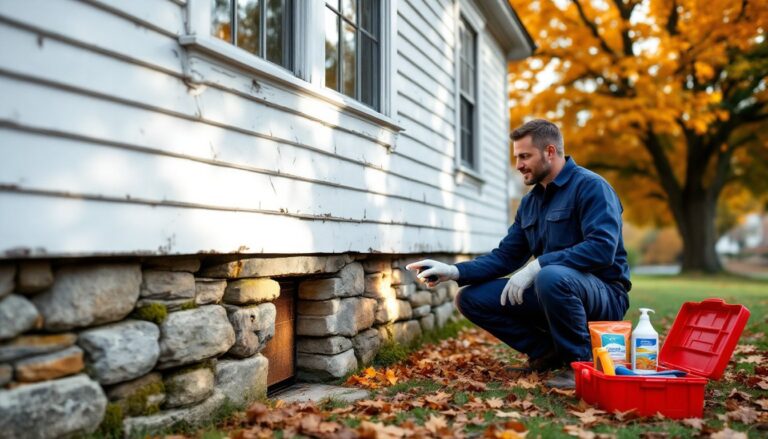
Step 1: Locate and remove the carcass. This is non-negotiable. Without removing the dead animal, beetles will keep coming. Check common hiding spots: wall cavities near plumbing penetrations, attic insulation, crawl space corners, and behind stored items in basements. Wear nitrile gloves, an N95 mask, and safety glasses when handling dead animals. Double-bag the carcass in heavy-duty garbage bags and dispose of it according to local regulations.
Step 2: Vacuum up visible beetles. Use a shop vac with a HEPA filter to collect adults and larvae. Immediately seal and dispose of the vacuum bag or empty the canister into an outdoor trash bin. Don’t use your household vacuum, the odor and potential pathogens aren’t worth it.
Step 3: Apply residual insecticide. Choose a permethrin-based or deltamethrin-based spray labeled for crawling insects. Apply along baseboards, foundation cracks, window frames, and entry points. Follow label directions for coverage rates, typically 1 gallon covers 1,000 square feet. These products kill beetles on contact and provide residual protection for several weeks.
Step 4: Seal entry points. Beetles enter through gaps as small as 1/8 inch. Inspect foundation cracks, utility penetrations, door sweeps, and window frames. Use silicone caulk for small gaps, expanding foam for larger voids (trim flush after curing), and copper mesh for holes where rodents might also enter (they can’t chew through it).
Natural Remedies and Home Solutions
If you prefer non-chemical methods, or want to supplement conventional treatments, several options exist.
Diatomaceous earth (DE): Food-grade DE is a powder made from fossilized algae that damages insect exoskeletons, causing dehydration. Apply a light dusting along beetle pathways, in crawl spaces, and around foundation perimeters. Wear a dust mask during application: DE is safe once settled but irritating when airborne. Reapply after rain or moisture exposure.
Sticky traps: Place glue boards near beetle activity zones, along walls, under appliances, or near basement stairs. These won’t eliminate an infestation but help monitor activity levels and catch stragglers.
Essential oil deterrents: Beetles dislike strong scents like peppermint, eucalyptus, and cedarwood. Mix 10-15 drops of essential oil per cup of water in a spray bottle and apply to entry points. This won’t kill beetles but may discourage them from settling in treated areas. Reapply weekly.
Boric acid: Apply a thin line of boric acid powder along baseboards and cracks. Beetles that walk through it ingest the powder while grooming, leading to poisoning. Keep boric acid away from pets and children. According to guidelines from HomeAdvisor, boric acid is effective for various crawling insects when applied correctly.
One limitation of natural methods: they’re slower and less reliable than conventional insecticides. For active infestations, combine both approaches for faster results.
When to Call Professional Pest Control Services
Some situations exceed DIY capabilities. Call a licensed pest control professional if:
- You can’t locate the carcass. Professionals have inspection tools like thermal imaging cameras, borescopes, and moisture meters that pinpoint hidden decay inside walls without demolition.
- Beetles keep returning after DIY treatment. Recurring infestations suggest either an undiscovered food source or a structural issue (like a rodent highway in your foundation) that needs expert diagnosis.
- The carcass is in an inaccessible location. Dead animals inside HVAC ducts, between floors, or behind finished walls often require partial disassembly. Pest control companies work with contractors to access and remediate these areas.
- You’re dealing with a larger animal. A dead raccoon, opossum, or feral cat creates a biohazard that requires proper PPE, sanitation protocols, and disposal methods beyond typical homeowner resources.
- Health concerns or compromised immunity. If household members are immunocompromised, pregnant, or have respiratory issues, professional remediation reduces exposure to pathogens associated with decomposition.
When selecting a pest control service, verify they’re licensed and insured in your state. Ask about their inspection process, treatment methods, and whether carcass removal is included in their service fee. Many companies offering pest control leads connect homeowners with local specialists who handle both beetles and the underlying sanitation issues. Pricing varies widely, expect $150-$400 for inspection and treatment, with additional charges for carcass removal or structural access.
Reputable providers like those reviewed on Angie’s List offer transparent pricing and detailed service breakdowns, helping homeowners make informed decisions.
Long-Term Prevention Strategies for a Beetle-Free Home
Once the immediate problem is solved, shift focus to prevention. Sexton beetles won’t invade a home without a reason, eliminate attractants and entry points, and you’ll drastically reduce future risk.
Rodent control: Most sexton beetle infestations trace back to dead mice or rats. Carry out integrated pest management: set snap traps or electronic traps in high-risk areas (attics, basements, garages), seal food in airtight containers, and eliminate water sources. Check traps weekly and remove any caught rodents immediately. For homes with persistent rodent issues, consider professional services that address both the infestation and structural vulnerabilities.
Foundation and exterior maintenance: Walk your home’s perimeter quarterly. Look for foundation cracks wider than 1/4 inch, gaps around utility lines, damaged vent screens, or deteriorated door sweeps. Repair issues as you find them. Install weatherstripping on basement doors and ensure garage doors close fully against the threshold.
Proper ventilation and moisture control: Beetles (and the rodents that attract them) thrive in damp, dark spaces. Use dehumidifiers to keep basement and crawl space humidity below 50%. Install vapor barriers in crawl spaces if you don’t already have them, 6-mil polyethylene sheeting is standard. Ensure gutters drain away from the foundation and downspouts extend at least 4-6 feet from the house.
Attic and crawl space inspections: Twice yearly, inspect these areas with a flashlight and protective gear (gloves, mask, long sleeves). Look for rodent droppings, nesting material, gnaw marks, or carcasses. Early detection prevents infestations before they start. Resources from Today’s Homeowner provide seasonal maintenance checklists that include pest inspection protocols.
Outdoor sanitation: Keep firewood stacked at least 20 feet from the house and 6 inches off the ground on a rack. Don’t store pet food or birdseed in garages or sheds where rodents can access it. Trim tree branches and shrubs so they don’t touch the house, these create highways for pests.
Regular trap monitoring: Even after an infestation is cleared, maintain a few glue boards or snap traps in key areas. Check them monthly. Finding one or two beetles early is far easier than dealing with dozens.
By addressing the root causes, dead animals, entry points, and environmental conditions that attract pests, homeowners can keep sexton beetles outside where they belong, doing the ecological work they were designed for instead of taking up residence in the basement.