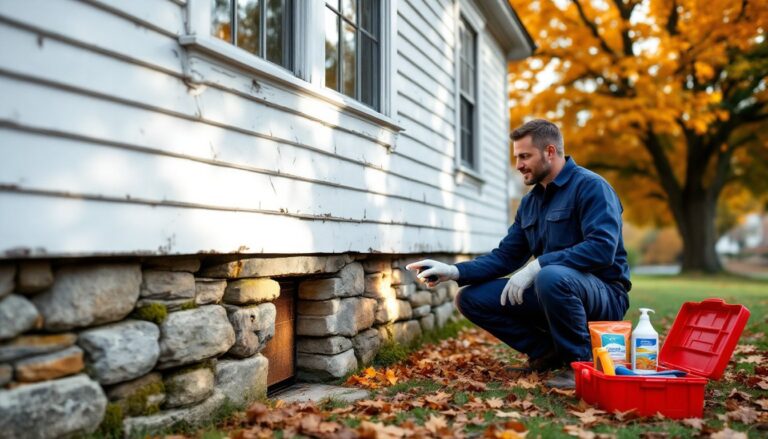
Blue beetles might look harmless with their metallic sheen, but these garden invaders can wreak havoc on plants, flowers, and vegetables. Homeowners often spot them munching through foliage, leaving behind skeletonized leaves and stunted growth. While some beetle species are beneficial, the destructive ones can multiply fast if left unchecked. This guide walks through identifying blue beetles, recognizing infestation signs, and using both natural and chemical methods to reclaim your outdoor space. Whether you’re dealing with a few stragglers or a full-blown invasion, the right approach keeps your garden healthy without unnecessary hassle.
Table of Contents
ToggleKey Takeaways
- Blue beetle pest control starts with proper identification—look for metallic blue or blue-green beetles 1/16 to 1/2 inch long on leaf undersides and early morning inspections.
- Early detection is critical: small round holes, skeletonized foliage, and stunted plant growth signal a blue beetle infestation that can spread rapidly if left unmanaged.
- Natural methods including hand-picking, row covers, neem oil, and diatomaceous earth work best for light to moderate infestations and require consistent repeat applications every 7-10 days.
- Chemical treatments like pyrethrins, spinosad, and carbaryl effectively eliminate heavy blue beetle infestations but should be reserved as a last resort, especially in vegetable gardens.
- Prevention through fall cleanup, crop rotation, regular plant monitoring, and encouraging beneficial insects reduces future blue beetle populations and minimizes pesticide reliance year-round.
What Are Blue Beetles and Why Are They a Problem?
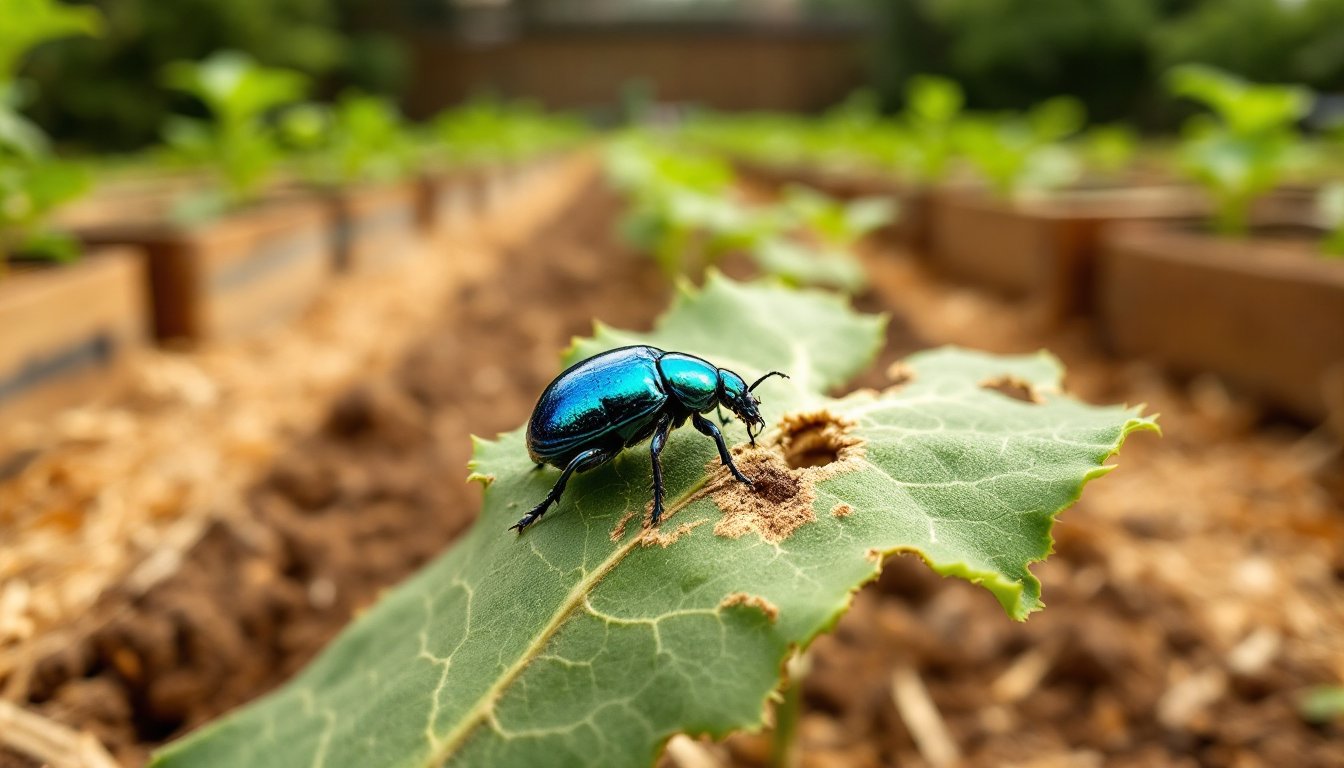
Blue beetles refer to several beetle species with metallic blue or blue-green coloring, including the Asian ladybug, Japanese beetle, and certain leaf beetles. The most common culprit is the metallic flea beetle, which measures about 1/16 to 1/4 inch long and feeds on vegetable crops, ornamental plants, and garden flowers.
These beetles damage plants by chewing small holes in leaves, creating a “shot-hole” appearance. Heavy infestations can defoliate entire plants, particularly young seedlings that lack the resilience to recover. Adults feed on foliage while larvae target roots and stems, compounding the damage.
Unlike beneficial beetles that prey on aphids or other pests, blue beetles are plant-eaters. They reproduce quickly, females lay eggs in soil near host plants, and larvae hatch within a week. A single generation can produce hundreds of offspring during peak growing season. Left unmanaged, they’ll spread to neighboring plants and gardens, making early intervention critical.
How to Identify Blue Beetles in Your Home and Garden
Accurate identification helps target the right control methods. Blue beetles share similar traits but vary in size and behavior.
Physical characteristics:
- Body length: 1/16 to 1/2 inch, depending on species
- Color: Metallic blue, blue-green, or iridescent purple-blue
- Shape: Oval or elongated body with six legs and antennae
- Movement: Flea beetles jump when disturbed: other species fly short distances
Where to look:
- Check the undersides of leaves, especially on brassicas (cabbage, kale, broccoli), tomatoes, peppers, and eggplants
- Inspect garden beds, mulch, and soil near plant bases in early morning when beetles are less active
- Look for beetles clustered on flowers, particularly roses and zinnias
Blue beetles are most active during warm, dry weather from late spring through early fall. They’re sluggish in cooler temperatures, making dawn or dusk ideal for hand-picking. If you’re uncertain about the species, snap a photo and compare it to regional pest guides or consult a local extension office. Misidentifying beneficial beetles (like ground beetles) can lead to unnecessary control efforts.
Signs of a Blue Beetle Infestation
Catching an infestation early prevents widespread damage. Blue beetles leave distinct signs on plants and surrounding areas.
Leaf damage:
- Small, round holes (1/8 inch or less) scattered across leaves
- Skeletonized foliage where only leaf veins remain
- Wilting or yellowing leaves, particularly on young plants
Plant health decline:
- Stunted growth in seedlings and transplants
- Reduced flowering or fruiting in mature plants
- Brown, dried edges on damaged leaves
Visible beetles:
- Adults feeding on upper leaf surfaces during daylight
- Larvae (small, white or pale grubs) in soil around plant roots
- Beetle droppings (tiny black specks) on leaves and stems
Flea beetles cause more severe damage early in the season when plants are tender. A heavy infestation can kill seedlings within days. Check vulnerable plants daily during peak beetle season, early detection is the difference between minor pruning and replanting an entire bed. For persistent pest issues, certified pest control professionals can assess infestation severity and recommend targeted treatments.
Natural Methods to Control Blue Beetles
Natural controls work best for light to moderate infestations and reduce chemical exposure in edible gardens. Consistency matters, most methods require repeat applications.
Physical removal:
- Hand-picking: Wear gloves and drop beetles into a bucket of soapy water. Do this early morning when beetles are sluggish.
- Row covers: Use floating row covers (lightweight fabric) over vulnerable seedlings. Anchor edges with soil or stakes to prevent beetle access. Remove covers once plants mature or need pollination.
- Sticky traps: Yellow or white sticky traps attract flea beetles. Hang them 6-12 inches above plants, replacing every 1-2 weeks.
Natural sprays:
- Neem oil: Mix 2 tablespoons neem oil with 1 gallon water and a few drops of dish soap. Spray leaf surfaces (top and bottom) every 7-10 days. Neem disrupts beetle feeding and reproduction. Apply in early morning or evening to avoid leaf burn.
- Diatomaceous earth (DE): Dust food-grade DE around plant bases and on leaves. DE’s sharp particles damage beetle exoskeletons, causing dehydration. Reapply after rain. Wear a dust mask, DE irritates lungs if inhaled.
- Garlic or pepper spray: Blend 2 cloves garlic or 2 tablespoons cayenne pepper with 1 quart water. Strain and spray on plants. Reapply every 3-5 days or after rain.
Cultural controls:
- Companion planting: Interplant catnip, basil, or marigolds near susceptible crops. Their strong scents deter beetles.
- Timing: Plant warm-season crops (tomatoes, peppers) slightly later to avoid peak beetle emergence in early spring.
- Mulching: Apply organic mulch (straw, shredded leaves) 2-3 inches thick around plants to reduce larval habitat in soil.
Natural methods require patience and monitoring. If beetles persist after 2-3 weeks, escalate to chemical treatments. For homeowners managing multiple pest types, boric acid applications offer broad-spectrum control indoors, though they’re less effective on outdoor beetles.
Chemical Treatments and Professional Solutions
Chemical controls knock down heavy infestations quickly but should be used as a last resort, especially in vegetable gardens. Always follow label instructions and observe pre-harvest intervals (PHI) for edible crops.
Over-the-counter insecticides:
- Pyrethrins: Derived from chrysanthemum flowers, pyrethrins kill beetles on contact. Apply as a spray or dust. Effective for 24-48 hours: breaks down quickly in sunlight. Safe for edibles with a 0-day PHI.
- Spinosad: A bacterial-based insecticide that targets beetle larvae and adults. Mix according to label (typically 4 tablespoons per gallon). Spray every 7-14 days. Safe for most beneficial insects once dried.
- Carbaryl (Sevin): A broad-spectrum synthetic insecticide. Highly effective but kills beneficial insects, including bees. Use only as a last resort and never on blooming plants. Follow a 3-7 day PHI for vegetables.
Application tips:
- Spray in early morning or late evening when beneficial pollinators are inactive
- Cover all leaf surfaces, including undersides where beetles hide
- Wear safety goggles, gloves, and a respirator mask when handling concentrates
- Store pesticides in original containers, away from children and pets
When to call a professional:
- Infestations covering more than 50% of plants even though repeated treatments
- Beetles spreading to multiple garden beds or ornamental landscapes
- Uncertainty about safe pesticide use near children, pets, or water sources
Professional pest control services offer integrated pest management (IPM) plans that combine monitoring, biological controls, and targeted chemical applications. Pros can identify beetle species, assess damage severity, and apply restricted-use pesticides if needed. Costs vary by region and property size, expect $150-$300 for an initial inspection and treatment in a typical residential yard. Many services include follow-up visits to monitor effectiveness.
Preventing Blue Beetles from Returning
Prevention reduces future infestations and minimizes reliance on pesticides. Blue beetles overwinter in garden debris, so year-round vigilance pays off.
Fall and winter prep:
- Clean up debris: Remove dead plants, fallen leaves, and weeds by late fall. Beetles lay eggs in decaying matter, and larvae overwinter in soil.
- Till soil: Turn over garden beds in late fall to expose larvae and pupae to freezing temperatures. Tilling disrupts the life cycle but avoid excessive soil disturbance in established beds.
- Crop rotation: Rotate plant families yearly. Don’t plant brassicas or nightshades in the same spot two years running, beetles target specific host plants.
Spring and summer maintenance:
- Monitor regularly: Inspect plants weekly for beetles or damage. Catching 5-10 beetles is easier than managing hundreds.
- Water and fertilize: Healthy, vigorous plants tolerate beetle feeding better than stressed ones. Use balanced fertilizer (10-10-10 NPK) per label rates.
- Encourage beneficial insects: Plant pollen-rich flowers (yarrow, dill, fennel) to attract parasitic wasps and predatory beetles that prey on pest beetles and larvae.
- Avoid over-mulching: Mulch depth over 3 inches creates ideal beetle habitat. Keep mulch pulled back 2-3 inches from plant stems.
Physical barriers:
- Install fine mesh netting (1/16-inch openings) over raised beds or individual plants during peak beetle season (late spring to mid-summer)
- Use cloches or garden fabric to protect transplants for the first 2-3 weeks after planting
Homeowners dealing with beetles alongside tick populations should focus on yard-wide sanitation, removing leaf litter and tall grass reduces habitat for both pests. Routine seasonal maintenance keeps properties less attractive to beetles and other invaders.
Conclusion
Blue beetles are persistent but manageable with the right mix of identification, intervention, and prevention. Start with natural methods, hand-picking, row covers, and neem oil, before escalating to chemical treatments. Monitor plants regularly during peak season and remove garden debris in fall to disrupt the beetle life cycle. For stubborn infestations, professional pest control services provide targeted solutions that protect plants without compromising safety. A proactive approach keeps blue beetles from turning a thriving garden into a beetle buffet.