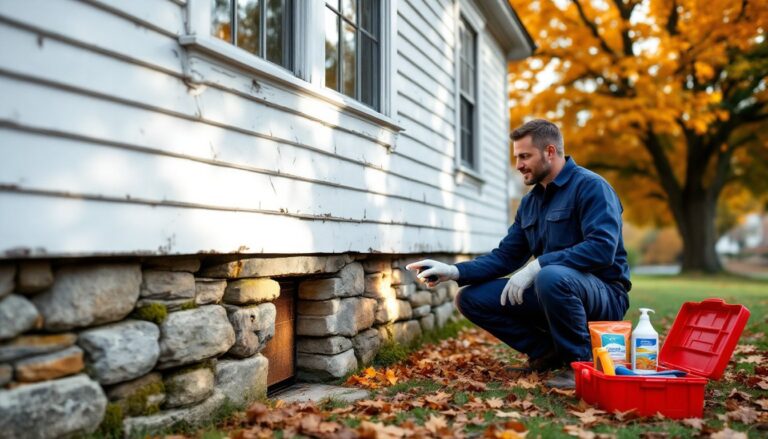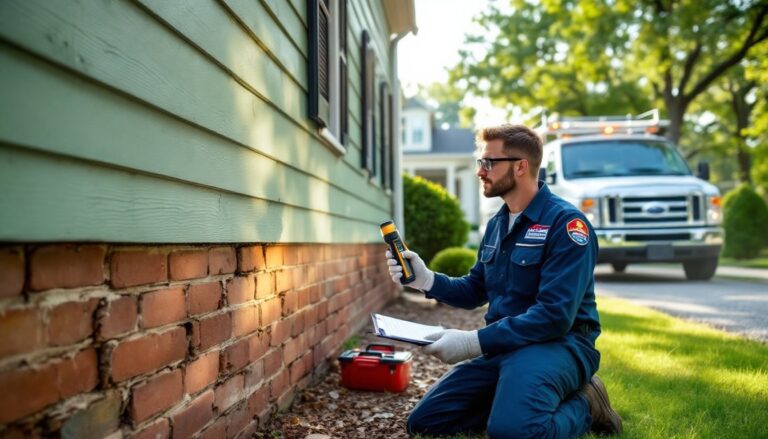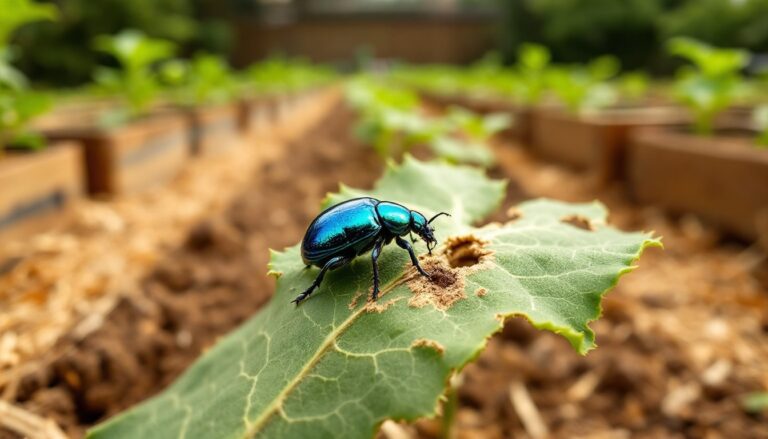
Chicago’s urban landscape offers incredible architecture and vibrant neighborhoods, but it also provides ideal conditions for pests year-round. From mice seeking warmth in winter to ants invading kitchens in summer, homeowners face constant threats. Understanding which pests are active, when to tackle problems yourself versus calling in pros, and how to prevent infestations before they start can save thousands in damage and keep families safe. This guide walks through everything Chicago residents need to know about protecting their homes from unwanted guests.
Table of Contents
ToggleKey Takeaways
- Chicago’s climate and dense housing create year-round pest threats, with mice, cockroaches, bed bugs, and carpenter ants being the most common invaders requiring Chicago pest control solutions.
- Call a professional immediately for bed bugs, termites, large rodent infestations, and stinging insects, while DIY methods work for minor ant colonies, occasional spiders, and preventative exclusion work like sealing gaps.
- Choose a pest control service in Chicago that holds Illinois Department of Public Health licensing, uses an Integrated Pest Management approach, and provides written estimates with treatment guarantees.
- Seasonal prevention timing is crucial—seal gaps in winter, repair screens in spring, remove trash regularly in summer, and caulk exterior cracks before fall rodent season—saving hundreds in professional services.
- Professional bed bug treatment costs $1,000–$4,000, rodent control ranges $200–$500 for initial visits, and quarterly maintenance plans run $75–$150 per visit, making early prevention more cost-effective than reactive treatment.
- Eco-friendly alternatives like diatomaceous earth, essential oil sprays, and mechanical traps work best for prevention and minor infestations, though heavy pest problems typically require professional-grade treatments for complete elimination.
Common Pests Threatening Chicago Homes
Chicago’s climate and dense housing create perfect conditions for several stubborn pests. Knowing what homeowners are up against helps with early detection and targeted treatment.
Mice and rats top the list, especially in older neighborhoods with accessible basements and crawl spaces. Norway rats thrive in alleyways and sewers, while house mice squeeze through gaps as small as ¼ inch. Both species breed rapidly, a single female mouse can produce 5-10 litters per year.
Cockroaches, particularly German and American varieties, infest multi-unit buildings and single-family homes alike. German roaches (smaller, light brown) prefer kitchens and bathrooms, while American roaches (larger, reddish-brown) inhabit basements and sewer lines. They carry pathogens and trigger allergies.
Bed bugs spread through apartments, hotels, and public transit. These flat, reddish-brown insects hide in mattress seams, furniture joints, and electrical outlets, emerging at night to feed. Infestations require aggressive treatment, DIY methods rarely eliminate entire populations.
Ants, especially carpenter ants and odorous house ants, invade during warmer months. Carpenter ants tunnel through damp or damaged wood, potentially compromising structural framing. Odorous house ants leave pheromone trails leading hundreds of workers to food sources.
Wasps and hornets nest under eaves, in attics, and inside wall voids. Yellow jackets become aggressive near nests, particularly in late summer. Bald-faced hornets build large, paper-like nests visible on tree branches or structures.
Spiders, while beneficial outdoors, become nuisances indoors. Brown recluse and black widow spiders occasionally inhabit basements and storage areas, both deliver venomous bites requiring medical attention.
When to Call a Professional vs. DIY Pest Control
Not every pest problem requires professional help, but some situations demand licensed expertise.
DIY works for:
- Small ant colonies treated with baits or boric acid applications
- Occasional spiders removed with vacuum and perimeter sprays
- Minor mouse activity caught with snap traps in targeted locations
- Preventative exclusion work like sealing gaps, installing door sweeps, and repairing screens
Call a professional immediately for:
- Bed bugs, these require heat treatment, fumigation, or professional-grade pesticides applied correctly to eliminate all life stages
- Termites, structural pests that cause hidden damage: inspections and treatment require specialized knowledge and equipment
- Large rodent infestations, multiple mice or any rat activity indicates breeding populations that overwhelm DIY efforts
- Stinging insects near entries or high-traffic areas, wasp and hornet nests pose serious injury risk
- Recurring cockroach sightings, a few roaches indicate larger hidden populations requiring targeted baiting and insecticide application
Safety considerations: Always wear nitrile gloves, safety goggles, and a respirator mask when applying pesticides. Read labels completely, misuse causes health hazards and environmental damage. If an infestation affects multiple rooms, spreads even though treatment, or involves venomous species, professional intervention saves time and money.
Licensed technicians access commercial-grade products unavailable to consumers and understand pest biology well enough to target breeding sites, not just visible insects. Certified pest control professionals also carry liability insurance protecting homeowners from treatment damage.
Choosing the Right Pest Control Service in Chicago
Not all pest control companies deliver the same results. Selecting the right service requires research and clear questions.
Look for:
- Illinois Department of Public Health licensing, all technicians must hold valid applicator licenses
- Integrated Pest Management (IPM) approach, companies using IPM prioritize non-chemical methods first, reducing pesticide exposure
- Written estimates and treatment plans, avoid companies offering vague pricing or refusing documentation
- Guarantees or follow-up visits, reputable services return if pests reappear within the warranty period
- Transparent chemical disclosures, technicians should provide Safety Data Sheets (SDS) for all products applied
Check reviews on Angi and similar platforms, but look beyond star ratings. Read detailed feedback about punctuality, communication, and long-term results. Ask neighbors for recommendations, local companies often have stronger reputations in specific neighborhoods.
Questions to ask before hiring:
- What’s your treatment protocol for [specific pest]?
- How many visits does the typical treatment require?
- What prep work do homeowners need to complete?
- Are your pesticides safe for pets and children after application?
- Do you offer eco-friendly or low-toxicity options?
What to Expect During Professional Treatment
First visits typically include a thorough inspection. Technicians check basements, crawl spaces, attics, kitchens, bathrooms, and exterior perimeters, identifying entry points and nesting sites.
Treatment methods vary by pest:
- Baiting stations for rodents and ants, placed along walls and in secluded areas
- Crack-and-crevice applications of liquid or dust insecticides targeting cockroach harborages
- Perimeter sprays creating barriers around foundations, doors, and windows
- Exclusion work sealing gaps with copper mesh, caulk, or expanding foam
Most treatments require homeowners to vacate for 2-4 hours. Pets and children should stay away until surfaces dry completely. Technicians provide specific re-entry times and safety instructions.
Follow-up visits, typically scheduled 2-4 weeks after initial treatment, assess effectiveness and reapply products if needed. Many companies include quarterly maintenance visits preventing future infestations.
Seasonal Pest Prevention Tips for Chicago Homeowners
Chicago’s four distinct seasons bring rotating pest pressures. Timing preventative measures reduces infestations before they start.
Winter (December–February):
- Inspect foundations for new cracks or gaps, freeze-thaw cycles create rodent entry points
- Check attic insulation for nesting material or droppings indicating mice activity
- Store firewood at least 20 feet from the home: stacking against foundations invites rodents and spiders
- Seal gaps around utility penetrations (pipes, wires, vents) with copper mesh or hardware cloth
Spring (March–May):
- Clean gutters and downspouts: standing water attracts mosquitoes and provides cockroach habitat
- Repair window screens and install door sweeps before ant season peaks
- Trim tree branches touching rooflines, carpenter ants and squirrels use these as highways
- Inspect basements for moisture issues: dehumidifiers keep relative humidity below 50%, deterring roaches and silverfish
Summer (June–August):
- Empty trash cans frequently and rinse recyclables: fruit flies and wasps target fermenting residue
- Store pantry goods in sealed containers, Indian meal moths infest flour, cereal, and pet food
- Check for wasp nests under decks, in grills, and around roof eaves monthly
- Maintain grass height below 3 inches: tall grass shelters ticks and fleas
Fall (September–November):
- Seal exterior cracks with polyurethane or silicone caulk before rodents seek winter shelter
- Inspect basements for box elder bugs and Asian lady beetles clustering on sunny walls
- Remove leaf litter and mulch within 12 inches of foundations
- Schedule a professional inspection if previous pest issues occurred
Regular maintenance beats reactive treatment. Spending an hour quarterly on exclusion work prevents infestations requiring hundreds in professional services.
Cost of Pest Control Services in the Chicago Area
Pest control pricing varies widely based on infestation severity, home size, and treatment type. Understanding typical costs helps homeowners budget and avoid overpriced services.
One-time treatments:
- General pest control (ants, spiders): $150–$300
- Rodent control (initial visit): $200–$500, depending on trapping and exclusion scope
- Bed bug treatment (heat or chemical): $1,000–$4,000 for a 2-bedroom home
- Wasp nest removal: $100–$400 based on nest size and location accessibility
Recurring services:
- Quarterly maintenance plans: $75–$150 per visit, covering general pests and perimeter treatments
- Monthly treatments (heavy infestations): $100–$200 per visit
Specialty treatments:
- Termite inspection: $75–$150: treatment ranges $1,500–$3,500 depending on damage extent
- Wildlife removal (raccoons, squirrels): $300–$1,000 including trapping, exclusion, and cleanup
Prices reflect 2026 Chicago-area averages but fluctuate with material costs and labor rates. Multi-unit buildings often receive discounted per-unit pricing. Some companies offer bundled services, combining pest control with lawn care or gutter cleaning reduces per-service costs.
Insurance rarely covers pest control unless infestations result from covered perils (like storm damage creating entry points). Home warranties sometimes include limited pest coverage: check policy details.
Cost estimates from HomeAdvisor help homeowners compare local pricing, though quotes vary based on home specifics. Always get written estimates from at least three companies before committing.
Natural and Eco-Friendly Pest Control Solutions
Homeowners concerned about pesticide exposure can use several low-toxicity alternatives effectively managing common pests.
Diatomaceous earth (DE), a fine powder made from fossilized algae, kills insects by damaging their exoskeletons. Apply food-grade DE (not pool-grade) along baseboards, behind appliances, and in attics. Wear a dust mask during application, DE irritates lungs. Reapply after vacuuming or moisture exposure.
Essential oil sprays deter ants, spiders, and roaches. Mix 10-15 drops of peppermint, tea tree, or eucalyptus oil with 1 cup water and 1 tablespoon dish soap in a spray bottle. Apply to entry points and cracks. Oils evaporate quickly, requiring frequent reapplication.
Boric acid, a mineral compound, effectively controls cockroaches and ants when applied as a dust or mixed into bait. It’s less toxic than synthetic pesticides but still requires caution around pets and children. Place boric acid baits in areas pets can’t access.
Exclusion and sanitation remain the most effective eco-friendly strategies. Sealing gaps, removing food sources, and eliminating moisture prevent infestations without chemicals. Caulk cracks wider than 1/16 inch, store food in airtight containers, and fix plumbing leaks immediately.
Mechanical traps, snap traps for mice, sticky traps for roaches, provide non-toxic control when placed correctly. Position snap traps perpendicular to walls with triggers facing baseboards. Replace sticky traps weekly or when covered with insects.
Beneficial insects like ladybugs and predatory nematodes control garden pests naturally. While less relevant indoors, maintaining outdoor populations reduces pressure on homes.
Eco-friendly methods work best for prevention and minor infestations. Testing by organizations like Good Housekeeping shows natural products often require more frequent application than synthetic alternatives but pose minimal health risks when used properly. Heavy infestations typically still require professional-grade treatments for complete elimination.