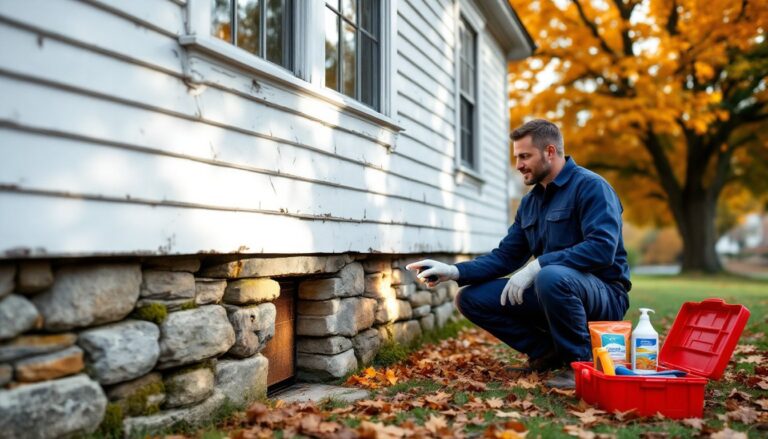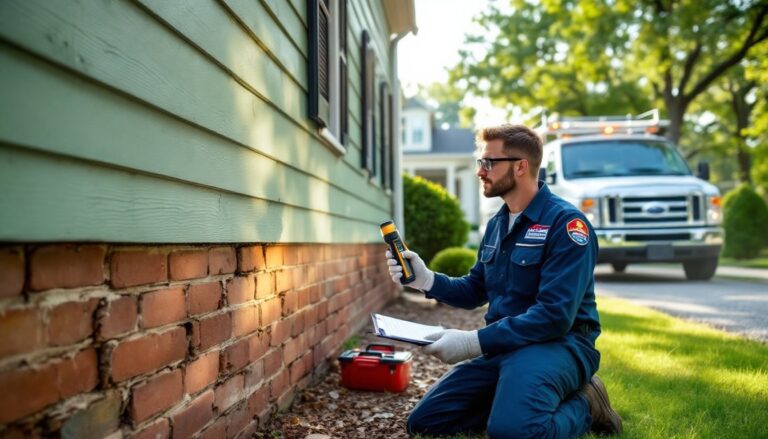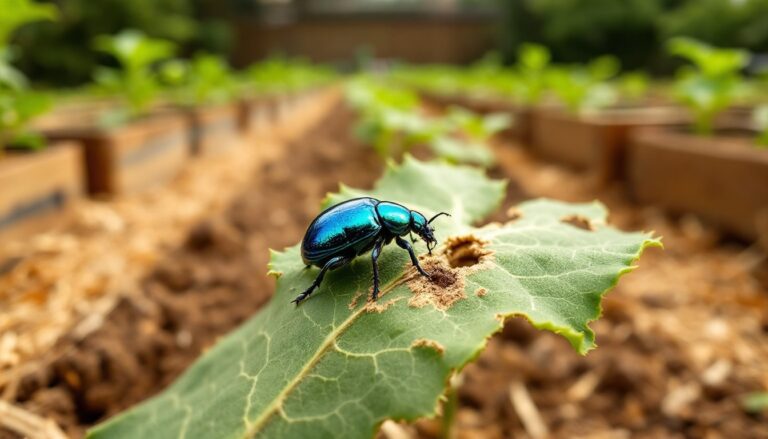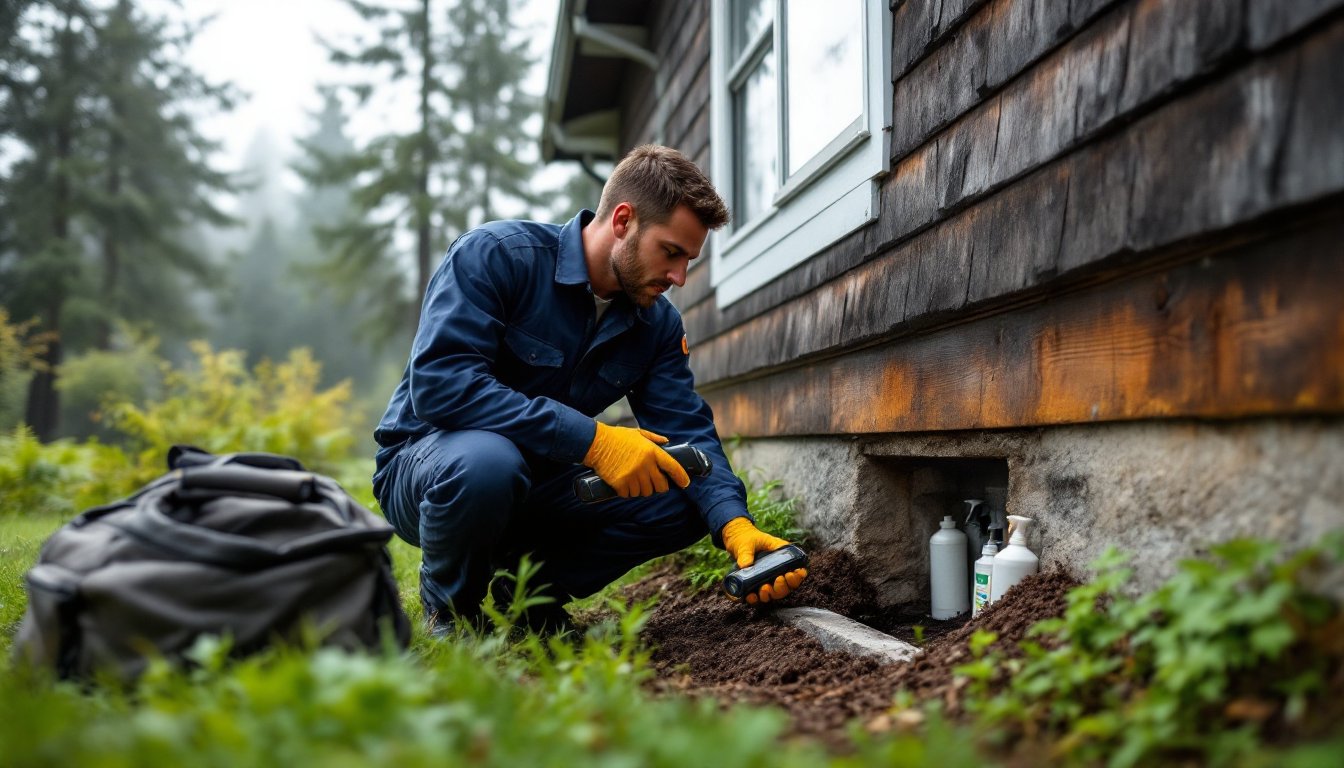
The Pacific Northwest’s lush landscapes and moderate climate make it one of the most beautiful places to own a home. But that same environment creates year-round pest pressure that can compromise your property’s structural integrity, health, and value. From moisture-loving carpenter ants to rodents seeking winter shelter, Northwest homeowners face a unique combination of pests that require region-specific strategies. This guide walks through identification, prevention, treatment options, and when to bring in professional help, so homeowners can protect their investment without guesswork.
Table of Contents
ToggleKey Takeaways
- NW pest control requires region-specific strategies because the Pacific Northwest’s wet climate and moderate temperatures create year-round pest pressure from carpenter ants, rodents, and moisture-loving insects.
- Seal entry points with caulk and hardware cloth, control moisture with vapor barriers and proper drainage, and trim vegetation within 6 feet of your roof to prevent pest invasions before they start.
- Carpenter ants and rodents pose the biggest structural threat; carpenter ants excavate wood leaving sawdust-like frass, while rodents can squeeze through gaps as small as ¼ inch and chew through wiring.
- Quarterly inspections of attics, crawlspaces, and basements catch infestations early, dramatically reducing treatment costs and preventing thousands of dollars in structural damage.
- Professional pest control becomes necessary for structural pests, large infestations, or health risks; look for state-licensed operators and expect initial treatment costs of $175–$450 with quarterly maintenance around $75–$125.
- Investing $500–$1,000 annually in preventive pest management and exclusion work prevents far costlier repairs like carpenter ant damage ($3,000–$8,000) or contaminated insulation replacement ($2,500–$5,000).
Understanding Common Pests in the Northwest Region
The Pacific Northwest hosts a distinct pest lineup shaped by its temperate rainforest climate. Knowing what’s most likely to invade helps homeowners focus their prevention efforts where they matter most.
Carpenter ants top the list. These large black ants don’t eat wood, they excavate it to build nests, leaving behind frass (sawdust-like debris) and structural damage. They’re drawn to moisture-damaged wood, making them a serious threat in crawlspaces, attics, and around leaky windows.
Rodents, Norway rats, roof rats, and deer mice, seek indoor shelter from fall through spring. They chew through wiring (fire hazard), insulation, and stored goods. Mice can squeeze through gaps as small as ¼ inch: rats need only ½ inch.
Moisture ants (also called cornfield ants) nest in damp wood and soil. They’re often mistaken for termites but are actually beneficial decomposers, unless they’re decomposing your floor joists.
Spiders are ubiquitous. Most are harmless pest controllers themselves, but hobo spiders and occasional black widows warrant caution, especially in garages and basements.
Wasps and hornets, particularly yellowjackets and bald-faced hornets, build nests in eaves, attics, and wall voids. Late summer and early fall bring peak aggression as colonies grow.
Silverfish and earwigs thrive in damp basements and bathrooms, feeding on paper, glue, and organic debris. They’re nuisances rather than structural threats but signal moisture problems.
Why the Northwest Climate Attracts Specific Pests
The region’s mild, wet winters and cool summers create pest paradise. Average annual rainfall in Seattle exceeds 37 inches: Portland sees over 43 inches. This persistent moisture saturates crawlspaces, attics, and exterior wood, inviting wood-destroying insects and mold-loving pests.
Limited temperature extremes mean fewer natural pest die-offs. Unlike areas with harsh winters or scorching summers, the Northwest’s moderate climate allows pest populations to remain active or overwinter successfully year-round. Carpenter ants, for example, can remain active indoors even during winter if they’ve established a nest inside heated spaces.
Dense vegetation and urban forests provide ample outdoor habitat. Douglas fir, western red cedar, and bigleaf maple trees all harbor insect populations. As urban development pushes into forested areas, wildlife and pests get displaced into residential neighborhoods. Many wildlife pest control situations start when raccoons, opossums, or squirrels establish nests in attics or crawlspaces.
Aging housing stock compounds the problem. Many Northwest homes were built before modern moisture barriers and ventilation standards. Crawlspaces often lack vapor barriers, and inadequate attic ventilation leads to condensation. According to Today’s Homeowner, proper moisture control is the foundation of any long-term pest prevention strategy in humid climates.
Construction materials matter. Wood-framed homes with cedar siding and exposed beams are more vulnerable than brick or stucco construction. Untreated lumber, while common in older builds, provides easy access for wood-boring insects.
DIY Pest Prevention Strategies for Northwest Homeowners
Prevention beats treatment every time. Most pest invasions result from gaps, moisture, and accessible food sources, all fixable with basic tools and materials.
Seal entry points. Walk the perimeter with a flashlight and caulk gun. Use ¼-inch hardware cloth to cover foundation vents, dryer vents, and crawlspace openings. Seal gaps around utility penetrations (pipes, wires, cable) with expanding foam or copper mesh. Mice can’t chew through copper. Check door sweeps, replace any with gaps over ⅛ inch. Weatherstripping should compress fully when doors close.
Control moisture aggressively. Install a 6-mil polyethylene vapor barrier in crawlspaces if one isn’t present. Ensure gutters are clean and downspouts extend at least 4 feet from the foundation. Grade soil away from the house (minimum 6-inch drop over 10 feet). Fix leaky pipes, faucets, and roof penetrations immediately, carpenter ants can detect moisture-damaged wood from yards away.
Eliminate food sources. Store pantry goods in airtight plastic or glass containers. Clean up pet food nightly. Keep garbage in sealed bins. Compost piles should be at least 30 feet from the house and turned regularly to discourage rodents.
Trim vegetation. Cut back tree branches within 6 feet of the roof, these serve as rodent highways. Keep shrubs trimmed 18 inches from siding to improve air circulation and eliminate pest harborage. Remove firewood piles from direct contact with the house: stack on treated 4×4 skids at least 20 feet away.
Inspect regularly. Check attics, crawlspaces, and basements quarterly. Look for droppings, gnaw marks, frass, mud tubes (termites), or grease marks along walls (rodent runways). Catching an infestation early dramatically reduces treatment cost and damage.
Seasonal Pest Control Maintenance
Spring (March–May): Inspect for winter damage. Check attic insulation for rodent nesting. Seal any new gaps opened by frost heave or settling. Apply boric acid dust in wall voids and under appliances as a preventive barrier, this eco-friendly treatment remains effective for years if kept dry.
Summer (June–August): Monitor for wasp nests. Treat small nests (golf-ball size) with aerosol wasp spray at dusk when insects are less active. Wear long sleeves, goggles, and gloves. Larger nests require professional removal. Check crawlspaces for moisture buildup: run a dehumidifier if relative humidity exceeds 60%.
Fall (September–November): Rodent pressure peaks as temperatures drop. Set snap traps along walls in attics, garages, and basements. Use peanut butter or cotton balls scented with vanilla extract as bait, rodents use these for nesting material. Inspect weatherstripping and door sweeps: rodents exploit even minor gaps during this push indoors.
Winter (December–February): Continue monitoring traps. Check for ice dams, which cause moisture intrusion and attract pests. Keep firewood dry and covered. Inspect stored items in garages and sheds, rodents shred cardboard and fabric for insulation.
Natural and Chemical Treatment Options
When prevention fails, treatment choice depends on pest type, infestation severity, and household considerations (kids, pets, allergies).
Natural treatments work well for light infestations and maintenance. Diatomaceous earth (DE), food-grade only, is a mechanical insecticide that damages insect exoskeletons, causing dehydration. Dust it along baseboards, in wall voids, and under appliances. Wear an N95 respirator during application: DE is non-toxic but irritating to lungs. Reapply after moisture exposure.
Essential oil sprays (peppermint, tea tree, eucalyptus) deter some insects but require frequent reapplication. They’re more repellent than killer, fine for keeping ants off counters, less effective for structural pests.
Bait stations with borax-based gels kill ants and roaches slowly, allowing workers to carry poison back to colonies. Place near trails and nests, not in open areas. Keep away from pets, while low toxicity, borax can cause GI upset if ingested in quantity.
Chemical treatments provide faster, longer-lasting control but require careful handling. Pyrethrins and pyrethroids (synthetic versions) are common active ingredients in sprays and concentrates. They’re effective against crawling and flying insects but toxic to fish and cats. Never use near aquariums or apply where cats walk.
Fipronil baits (ant and roach) kill slowly and transfer through contact. Imidacloprid (neonicotinoid) is used in perimeter treatments and soil applications. Both are low-toxicity to mammals but harmful to bees, avoid using on flowering plants.
Rodenticides should be a last resort. Bromadiolone and brodifacoum (second-generation anticoagulants) are highly effective but pose secondary poisoning risks to pets and wildlife. If using bait, deploy in tamper-resistant bait stations secured to walls or floors. Check and document placements, dead rodents in walls create odor problems and attract secondary pests.
Application safety: Always read labels. Wear nitrile gloves, safety goggles, and long sleeves. Apply pesticides only to label-specified areas. Store in original containers out of reach of children and pets. Dispose of empty containers per local hazardous waste guidelines, never pour chemicals down drains.
When to Call Professional Pest Control Services
Some situations exceed DIY capability or safety margins. Knowing when to call pros saves money, health, and structural integrity.
Call immediately for:
- Structural pests. Carpenter ants, termites, and wood-boring beetles require specialized detection (moisture meters, borescopes) and treatment (foam injections, fumigation). Subterranean termites, though rare in the Northwest compared to drywood species, require soil treatment that demands licensed applicators.
- Large rodent infestations. If you’re catching multiple rodents daily or finding droppings throughout the house, the population has likely established multiple nests. Professionals use tracking powder, exclusion services, and attic insulation replacement if contamination is severe.
- Wasps/hornets in structures. Nests inside walls, attics, or underground require specialized equipment. Disturbing these nests without proper gear and escape routes can result in serious injury. Professionals use dust insecticides and foaming agents that reach deep into voids.
- Health risks. Any pest linked to disease transmission, rats (hantavirus, leptospirosis), fleas (plague, murine typhus), ticks (Lyme disease), warrants professional intervention. They have access to commercial-grade treatments and proper PPE.
- Repeated DIY failures. If you’ve tried multiple treatments over several months without progress, misidentification or hidden nesting sites are likely culprits. Pros bring diagnostic tools and experience that shortcut trial-and-error.
Look for certified pest control operators licensed by your state’s Department of Agriculture or equivalent. Verify insurance (liability and workers’ comp) and ask for written estimates with treatment details, target pests, product names, and warranty terms. According to HomeAdvisor, average pest control service costs range from $175 to $450 for initial treatment depending on home size and infestation severity, with quarterly maintenance plans running $75–$125 per visit.
Reputable companies inspect before proposing treatment. Be wary of scare tactics or pressure to sign same-day contracts. Request Integrated Pest Management (IPM) approaches that prioritize exclusion and habitat modification over blanket pesticide application.
Protecting Your Home’s Value Through Effective Pest Management
Pest damage isn’t just inconvenient, it’s expensive and can derail home sales or refinancing.
Structural damage from carpenter ants, termites, or rodents can run into thousands of dollars. Floor joists, roof rafters, and sill plates weakened by insect tunneling may require sister joisting or full replacement, work that involves permits, inspectors, and licensed contractors. Rodent-chewed wiring creates fire hazards that fail home inspections.
Health implications affect livability and resale. Rodent droppings and urine carry allergens and pathogens. Buyers increasingly request pest inspection reports alongside general home inspections. Evidence of active infestations can kill deals or force price reductions.
Insurance considerations: Standard homeowners policies typically exclude pest damage (considered maintenance neglect). Some insurers offer riders for specific pests, but prevention remains the most cost-effective approach.
Documentation helps. Keep records of pest control treatments, repairs, and preventive work. If you’ve addressed a past infestation properly, documentation demonstrates due diligence to future buyers.
Preventive ROI: Investing $500–$1,000 annually in exclusion work, moisture control, and quarterly monitoring far outweighs the cost of repairing carpenter ant damage to rim joists (often $3,000–$8,000) or replacing contaminated attic insulation ($2,500–$5,000).
For Northwest homeowners, pest management isn’t optional, it’s foundational maintenance like roof care or HVAC servicing. The region’s climate guarantees pest pressure: proper defenses guarantee it stays outside where it belongs.