Pest problems don’t take a break, and neither should your commitment to a healthy home environment. Traditional pest control methods often rely on harsh chemicals that can linger in your living spaces long after the bugs are gone. That’s where eco-friendly approaches come in, offering effective pest management without compromising the safety of your family, pets, or the planet. Ecocare pest control methods use natural ingredients, preventative strategies, and low-toxicity solutions to tackle infestations while keeping your indoor air quality intact. Whether you’re dealing with ants in the kitchen or mice in the basement, understanding eco-conscious pest control gives you options that work.
Table of Contents
ToggleKey Takeaways
- Ecocare pest control uses natural ingredients and low-toxicity solutions to eliminate infestations while protecting indoor air quality and the safety of children and pets.
- Sealing entry points, fixing moisture issues, and removing food sources are foundational prevention strategies that reduce long-term treatment costs and pest activity significantly.
- Common household pests like ants, cockroaches, and rodents can be effectively managed with DIY eco-friendly methods including diatomaceous earth, boric acid bait stations, and essential oil sprays.
- Professional ecocare pest control services become necessary for termites, large rodent infestations, bed bugs, and recurring infestations that DIY approaches cannot resolve.
- Eco-friendly pest management aligns with EPA-endorsed Integrated Pest Management (IPM) principles, reducing pesticide use while maintaining effective long-term pest control.
What Is Ecocare Pest Control and Why Choose Eco-Friendly Methods?
Ecocare pest control refers to pest management strategies that prioritize non-toxic or low-toxicity solutions, using natural substances, mechanical barriers, and habitat modification instead of synthetic pesticides. These methods target pests at the source, disrupting breeding cycles, eliminating food sources, and creating physical barriers, rather than relying on chemical sprays that can affect more than just the pests.
The shift toward eco-friendly pest control isn’t just a trend. Homeowners are increasingly aware of the health risks posed by prolonged exposure to conventional pesticides, especially in homes with children, pets, or individuals with respiratory sensitivities. Many modern certified pest control providers now offer green alternatives that meet rigorous safety standards without sacrificing effectiveness.
Eco-friendly methods also align with integrated pest management (IPM) principles, a science-based approach endorsed by the EPA. IPM combines monitoring, prevention, and targeted intervention to reduce pesticide use while maintaining long-term control. It’s not about eliminating all pesticides, it’s about using them only when necessary and in the least harmful way possible.
For DIYers, this means you can take an active role in managing pest problems using materials you might already have at home or can easily source from hardware stores. And when professional help is needed, eco-conscious services ensure treatments are applied with precision, minimizing environmental impact.
Key Benefits of Using Ecocare Pest Control in Your Home
Healthier indoor air quality is one of the most immediate benefits. Conventional pesticides can release volatile organic compounds (VOCs) that linger in carpets, upholstery, and HVAC systems. Eco-friendly alternatives, such as botanical oils, diatomaceous earth, and boric acid, break down faster and don’t contribute to off-gassing.
Pet and child safety is another major advantage. Dogs and cats spend time on floors where residues accumulate, and young children are more vulnerable to toxin exposure due to their developing systems. Using boric acid pest control in targeted applications, for example, offers effective control against roaches and ants with minimal risk when applied correctly in wall voids or behind appliances.
Environmental responsibility extends beyond your property line. Runoff from treated lawns and gardens can contaminate groundwater and harm beneficial insects like pollinators. Eco-friendly methods reduce this collateral damage, supporting local ecosystems while still protecting your home.
Long-term cost savings come from addressing root causes rather than repeatedly treating symptoms. Sealing entry points, fixing moisture issues, and removing attractants reduce the need for ongoing chemical treatments. According to Good Housekeeping, homeowners who invest in preventative measures often see reduced pest activity within a single season, cutting long-term treatment costs significantly.
Finally, eco-friendly pest control aligns with green building certifications and sustainability goals. If you’re renovating or building with LEED or similar standards in mind, low-toxicity pest management supports those objectives without compromise.
Common Pests Ecocare Methods Can Effectively Manage
Eco-friendly pest control isn’t a one-size-fits-all solution, but it’s highly effective against the most common household invaders when applied correctly.
Ants respond well to bait stations using borax-based formulas, which worker ants carry back to the colony. Seal cracks along baseboards and window sills with caulk, and eliminate food sources by storing pantry items in airtight containers. Diatomaceous earth applied along ant trails disrupts their exoskeletons, causing dehydration.
Cockroaches are persistent, but eco-methods work when combined with sanitation. Boric acid powder in wall voids, under sinks, and behind appliances provides long-lasting control. Fix leaky pipes, roaches need moisture more than food. Sticky traps help monitor populations and indicate where to focus efforts.
Rodents (mice and rats) require a multi-pronged approach. Seal entry points with steel wool and expanding foam, rodents can squeeze through gaps as small as ¼ inch. Snap traps and electronic traps are more humane and effective than glue boards. For larger infestations or wildlife pest control situations involving squirrels or raccoons, professional help is often necessary, as these pests can cause structural damage and carry diseases.
Spiders are often beneficial (they eat other bugs), but if you need to reduce their numbers, remove webs regularly and reduce outdoor lighting that attracts prey insects. Essential oil sprays with peppermint or eucalyptus can act as mild repellents around entry points.
Termites are trickier, eco-friendly options like orange oil (d-limonene) or heat treatments exist, but they’re typically professional-grade solutions. Termite control almost always requires a licensed contractor due to the structural risk and the need for specialized equipment.
Bed bugs can be managed with heat treatments (raising room temperature to 120°F for several hours) and diatomaceous earth applied around bed frames and baseboards. These are labor-intensive solutions, and severe infestations usually need professional intervention.
DIY Ecocare Pest Control Solutions You Can Try Today
Natural Repellents and Prevention Strategies
Materials you’ll need:
- Diatomaceous earth (food-grade)
- Boric acid powder
- Essential oils (peppermint, eucalyptus, tea tree)
- White vinegar
- Caulk and foam sealant
- Steel wool
- Spray bottle
- Measuring spoons
Tools:
- Caulk gun
- Flashlight (for inspection)
- Duster or squeeze bottle (for applying powders)
- Safety gloves and dust mask
Step-by-step approach:
-
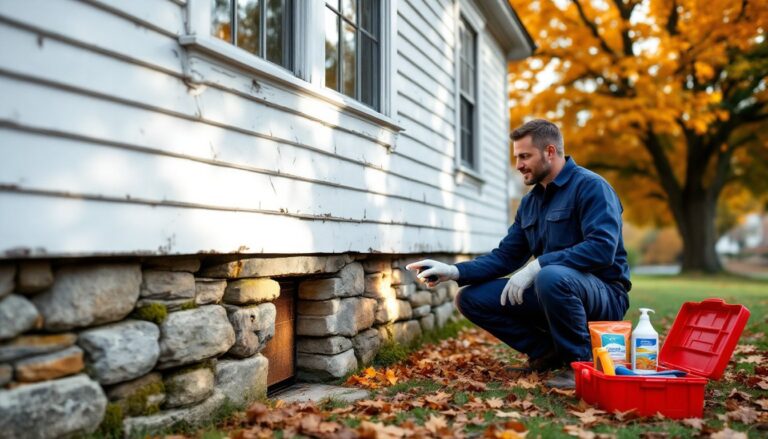
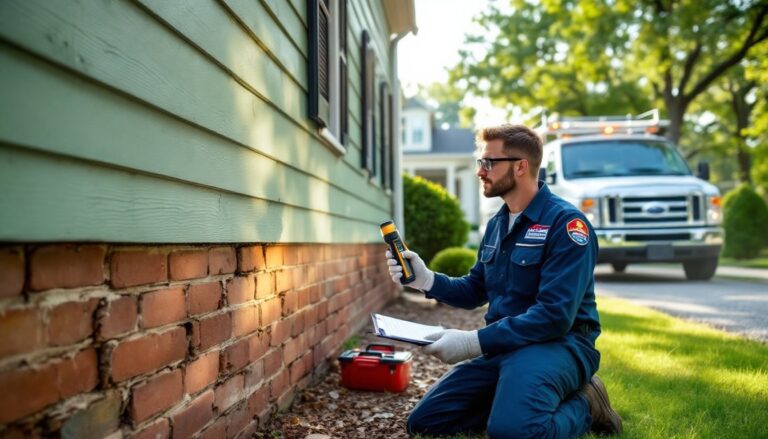
Inspect and seal entry points. Walk the perimeter of your home, inside and out. Look for gaps around pipes, electrical conduits, windows, and doors. Seal cracks with caulk: use steel wool and expanding foam for larger gaps. This is the foundation of any pest control strategy, if they can’t get in, you’re halfway done.
-
Apply diatomaceous earth in dry, hidden areas. Use a duster to apply a thin layer behind appliances, along baseboards, and in attics or crawl spaces. It’s non-toxic to humans and pets but lethal to insects with exoskeletons. Reapply after cleaning or if it gets wet.
-
Create a vinegar cleaning solution. Mix equal parts white vinegar and water in a spray bottle. Wipe down counters, floors, and pantry shelves to remove scent trails that attract ants and roaches. Vinegar also disrupts pheromone communication.
-
Mix an essential oil spray repellent. Combine 10–15 drops of peppermint or eucalyptus oil with 1 cup of water and a few drops of dish soap (helps the oil disperse). Spray around windowsills, doorways, and other entry points. Reapply weekly or after rain.
-
Set traps and bait stations. For rodents, place snap traps along walls where you’ve seen droppings (mice travel along edges, not open spaces). Bait with peanut butter or a small piece of dried fruit. For insects, use boric acid bait stations in areas out of reach of kids and pets.
-
Eliminate moisture sources. Fix leaky faucets, improve ventilation in bathrooms and basements, and use a dehumidifier if needed. Most pests need water to survive, cutting off access makes your home less hospitable.
Safety note: Always wear gloves and a dust mask when handling boric acid or diatomaceous earth. While low-toxicity, they can irritate lungs if inhaled in large amounts. Store all pest control materials in labeled, child-proof containers.
If you’re tackling a larger project and need guidance on sourcing materials or estimating costs, HomeAdvisor offers calculators and contractor matching that can help with more complex home improvement needs alongside pest prevention work.
When to Call Professional Ecocare Pest Control Services
DIY methods work well for minor infestations and ongoing prevention, but there are situations where professional help isn’t optional, it’s necessary.
Call a pro if you’re dealing with:
- Termites or carpenter ants. These pests cause structural damage that can compromise your home’s integrity. Professionals have access to monitoring systems, baiting stations, and heat treatments that aren’t available to homeowners.
- Large rodent infestations. If you’re catching multiple mice daily or seeing rat activity, the colony is likely established in your walls or attic. Pros can identify nesting sites, seal entry points you might miss, and safely remove contaminated insulation if needed.
- Bed bugs. These require specialized heat equipment or carefully applied low-toxicity pesticides. DIY attempts often spread the infestation to other rooms.
- Stinging insects in wall voids or high locations. Yellow jackets, hornets, and wasps can be aggressive, especially if their nest is disturbed. Professionals have the protective gear and tools to remove nests safely.
- Recurring infestations even though your efforts. If pests keep coming back, there’s likely a hidden entry point, moisture issue, or conducive condition you haven’t identified. A licensed inspector can spot these problems.
When choosing a professional service, ask about their eco-friendly options. Many companies now offer integrated pest management (IPM) programs that prioritize non-chemical methods first. Customer feedback on platforms like Angie’s List can help you evaluate providers based on their approach, responsiveness, and results.
Questions to ask before hiring:
- Do you follow IPM principles?
- What products do you use, and are Material Safety Data Sheets (MSDS) available?
- How do you protect non-target areas (gardens, pet spaces)?
- What’s included in follow-up visits?
- Are your technicians licensed and insured?
For structural pest issues (termites, carpenter ants), you may also need a separate inspection report for real estate transactions or insurance purposes. Some jurisdictions require permits for certain treatments, your contractor should handle that paperwork.
Conclusion
Eco-friendly pest control offers a balanced approach, protecting your home without compromising health or environmental values. Whether you’re sealing gaps, applying natural repellents, or calling in a green pest management pro, the goal is the same: long-term control with minimal risk. Start with prevention, use low-toxicity solutions when intervention is needed, and know when to bring in reinforcements. Your home, your family, and the planet all benefit.