Mosquitoes at the cookout. Ants marching toward the deck. Spiders setting up shop on the patio furniture. If you’ve got outdoor living space, you’ve got pests trying to claim it as theirs. Outdoor pest control spray is one of the most straightforward, effective tools for taking back your yard, no guesswork, no traps to empty, just targeted chemical or natural formulas that knock down bugs where they live and breed. This guide walks through what actually works, how to choose the right product for your property, and how to apply it safely and correctly.
Table of Contents
ToggleKey Takeaways
- Outdoor pest control spray creates a protective barrier around your home’s perimeter and foundation, stopping mosquitoes, ticks, and ants before they reach your door and transmit diseases like West Nile virus, Zika, or Lyme disease.
- Chemical sprays with pyrethroids offer 30 to 90 days of residual protection and are ideal for heavy infestations, while natural plant-based sprays last 7 to 14 days and work better as repellents for light pest pressure or near edible gardens.
- Concentrated formulas are more economical for larger properties and can treat up to 16,000 square feet, while ready-to-use sprays are faster and more convenient for small yards or spot treatments without mixing.
- Proper application requires checking weather conditions, wearing appropriate safety gear, spraying only the perimeter and vegetation with light even coverage, and allowing 2 to 4 hours for drying before re-entry.
- Consistent reapplication every 30 to 60 days is more effective than reactive treatments, and avoiding drift to pollinators, water sources, and neighboring properties ensures safety and environmental responsibility.
- For severe infestations or complex pest control situations, hiring a certified professional pest control service provides access to commercial-grade equipment and expert application techniques.
Why Outdoor Pest Control Spray Is Essential for Your Home
Outdoor pest control spray isn’t just about comfort, it’s about health and property protection. Mosquitoes carry West Nile virus and Zika. Ticks transmit Lyme disease and other pathogens, especially in wooded or grassy areas. Ants and roaches don’t stay outside: they scout for food and moisture, and once they find a crack in your foundation or weatherstripping, they’re inside.
Your yard is the first line of defense. Treating the perimeter, foundation, vegetation, and hardscaping with a residual spray creates a barrier that kills pests on contact and continues working for days or weeks. It’s more proactive than reactive, you’re stopping the problem before it reaches your threshold.
Regular application also protects outdoor furniture, grills, and stored equipment from damage caused by carpenter ants, wood-boring beetles, and other destructive insects. And if you’ve got kids, pets, or just like to spend time outside without slapping at bugs, a treated yard makes that possible.
Types of Outdoor Pest Control Sprays
Not all outdoor sprays are the same. The active ingredient, formulation, and delivery method all affect what pests you’ll control, how long the product lasts, and what precautions you’ll need.
Chemical vs. Natural Pest Control Sprays
Chemical sprays use synthetic active ingredients like pyrethroids (bifenthrin, permethrin, lambda-cyhalothrin), which are fast-acting, broad-spectrum, and offer residual protection of 30 to 90 days depending on weather and surface. These are the go-to for serious infestations, mosquitoes, ticks, fleas, ants, spiders, roaches, and wasps. Pyrethroids work by attacking the nervous system of insects, causing paralysis and death.
They’re safe for humans and pets once dry, but they’re toxic to bees and aquatic life, so you’ll need to avoid spraying flowering plants and keep drift away from ponds or streams. If you’re dealing with heavy tick populations, chemical formulas are usually the most reliable.
Natural or organic sprays rely on plant-based oils, peppermint, rosemary, clove, cedar, or citronella, or ingredients like diatomaceous earth suspensions. They’re less toxic to beneficial insects and safe for use around edibles, but they don’t last as long (usually 7 to 14 days) and often require more frequent reapplication. Natural sprays work better as repellents than knock-down killers. They’re a solid choice for light pest pressure or if you’re managing an edible garden.
Some homeowners combine both: a chemical perimeter treatment and natural sprays near vegetable beds or play areas.
Concentrated vs. Ready-to-Use Formulas
Concentrated sprays come in bottles or jugs and require dilution in a pump sprayer or hose-end sprayer. They’re more economical for larger properties, one 32 oz bottle of concentrate can treat up to 16,000 square feet depending on the product and dilution rate. You control the mix ratio, which means you can adjust for heavier infestations or specific pest types.
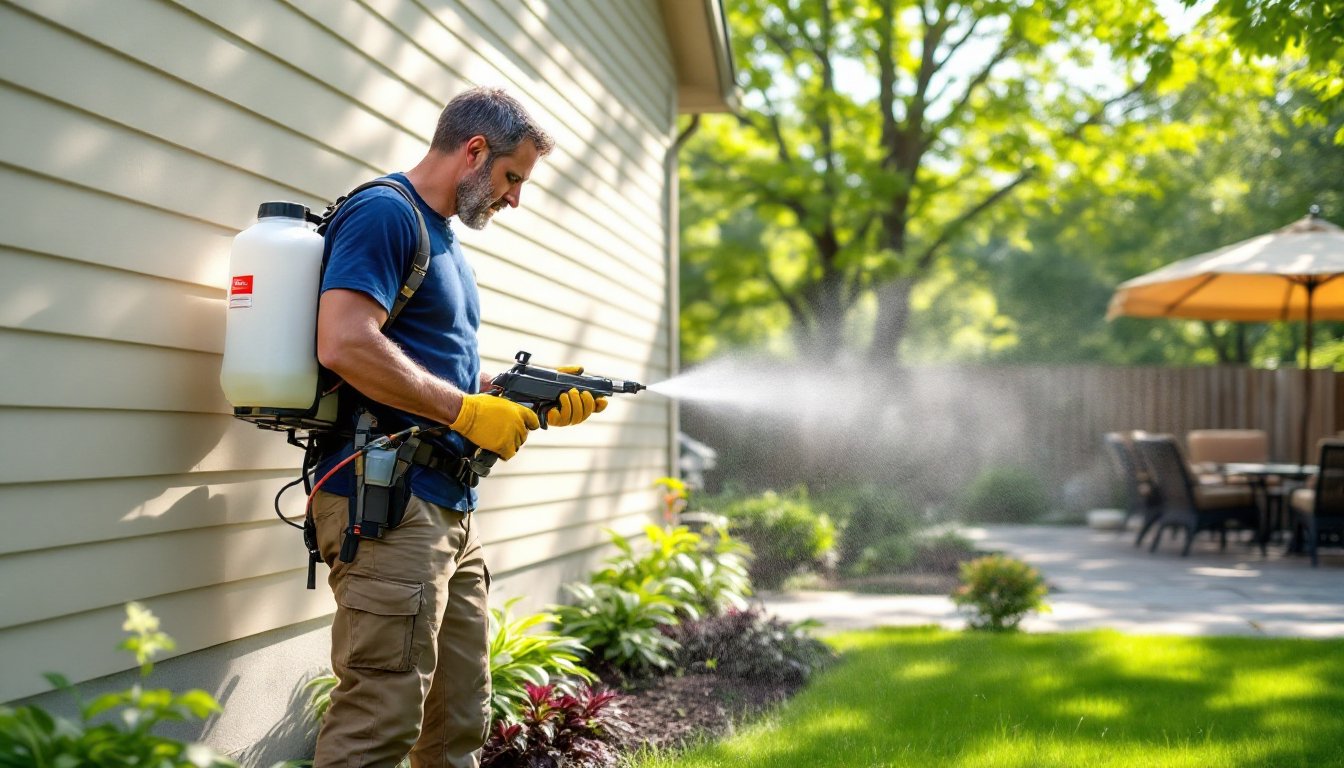
You’ll need a 1- to 2-gallon pump sprayer (manual or battery-powered) or a hose-end sprayer with adjustable dilution settings. Concentrates require measuring, mixing, and cleanup, but they offer flexibility and lower cost per square foot.
Ready-to-use (RTU) sprays come in trigger bottles or hose-attached containers, no mixing required. They’re faster and simpler for spot treatments, small yards, or occasional use. Coverage is typically 5,000 square feet or less per bottle. RTU formulas cost more per application, but there’s no risk of incorrect dilution or leftover mixed product going bad.
For foundation and perimeter work, concentrates make more sense. For treating a single shrub, a wasp nest, or an ant hill, RTU is the way to go.
How to Choose the Right Outdoor Pest Control Spray
Start with the pest. Mosquitoes, fleas, and ticks need a spray that targets vegetation and shaded areas where they rest. Ants and roaches require a product that works on porous surfaces like mulch, soil, and foundation cracks. Wasps and hornets need a long-range aerosol or foam that hits nests from a distance.
Check the active ingredient on the label. Bifenthrin and permethrin are workhorses for general use. Lambda-cyhalothrin is faster-acting but shorter-lived. If you’re treating near water or around pollinators, look for formulas labeled safe for those conditions, or stick with natural options.
Consider your property size. If you’re treating more than 5,000 square feet, a concentrated formula will save money and reduce plastic waste. For smaller areas or spot treatments, RTU is more convenient.
Read the label for surface compatibility. Some sprays are safe on wood, brick, vinyl, and painted surfaces: others may stain or damage certain finishes. If you’re spraying near edibles, confirm the product lists vegetables or herbs on the label, many chemical sprays prohibit use on food crops.
For households with wildlife control needs or complex pest issues, you might need a combination approach: a residual spray for general coverage and a targeted product for specific pests like carpenter ants or boric acid treatments for indoor control.
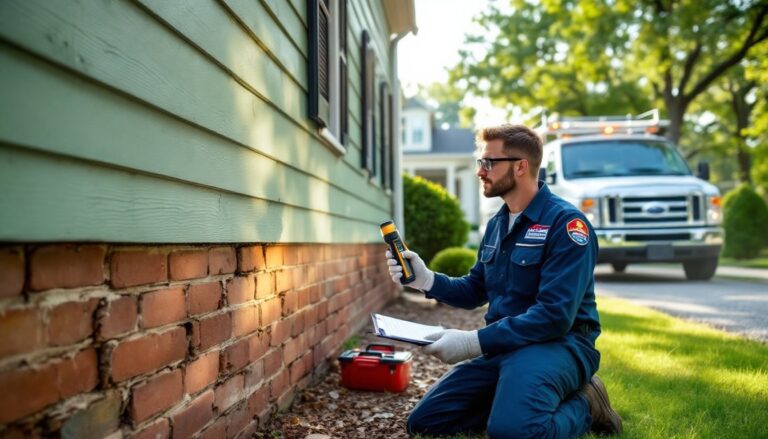
Finally, if you’re unsure or dealing with a severe infestation, consider calling a certified pest control company. They’ll have access to professional-grade products and the experience to apply them correctly.
Step-by-Step Guide to Applying Outdoor Pest Control Spray
Proper application is the difference between a yard that’s bug-free for weeks and one that’s crawling again by the weekend. Follow these steps for maximum effectiveness and safety.
1. Check the weather. Don’t spray if rain is expected within 24 hours, most products need time to dry and bond to surfaces. Wind above 10 mph increases drift risk. Early morning or late evening is ideal: temperatures between 55°F and 85°F work best for chemical activity.
2. Prep the area. Remove toys, pet bowls, and outdoor cushions. Cover or move fish ponds, birdbaths, and vegetable gardens if the product isn’t labeled for those areas. Close windows and doors near the spray zone.
3. Gear up. Wear safety goggles, nitrile gloves, long sleeves, pants, and closed-toe shoes. If you’re using a concentrate, add a respirator or N95 mask during mixing. This isn’t overkill, chemical sprays are safe once dry, but wet product on skin or in lungs is a hazard.
4. Mix (if using concentrate). Follow label instructions exactly. Underdiluting wastes product and risks plant damage: overdiluting won’t kill pests. Use clean water and a calibrated sprayer. Most concentrates call for 0.5 to 1 oz per gallon of water.
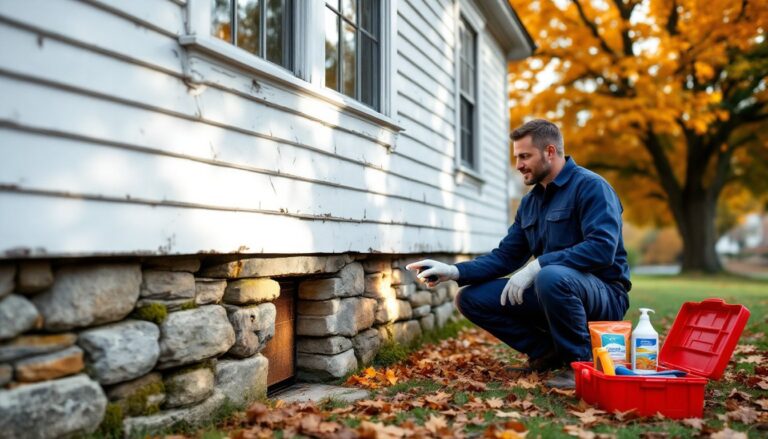
5. Start with the perimeter. Spray a 3- to 10-foot band around the foundation, focusing on cracks, weep holes, door thresholds, and window frames. Apply until surfaces are wet but not dripping, runoff wastes product and increases environmental exposure.
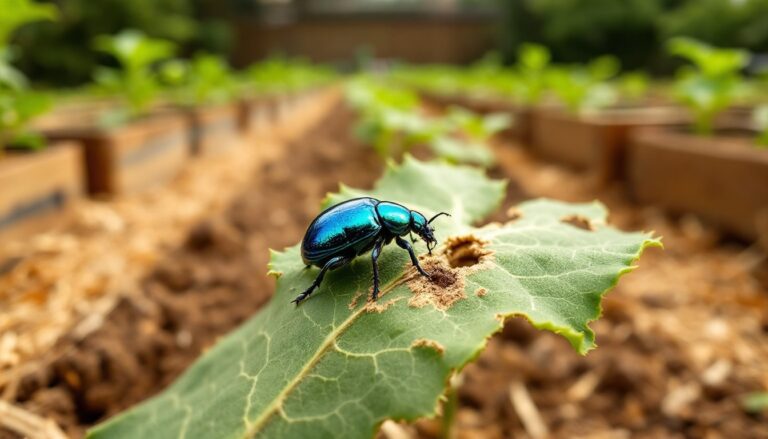
6. Treat vegetation. Spray the underside of leaves, low shrubs, ground cover, and mulch beds where mosquitoes, ticks, and fleas hide. Don’t soak plants, light, even coverage is enough. Avoid flowering plants if bees are active.
7. Hit hardscaping and high-traffic areas. Treat patios, decks, walkways, and fence lines. Many pests travel along these surfaces or shelter in cracks and joints. According to home maintenance experts at Today’s Homeowner, regular perimeter maintenance is key to long-term pest prevention.
8. Let it dry. Keep people and pets off treated surfaces for at least 2 to 4 hours, or until completely dry. Most labels specify a re-entry time, follow it.
9. Clean your equipment. Rinse the sprayer tank, wand, and nozzle with clean water. Store leftover concentrate in a cool, dry place away from kids and pets.
Safety Tips and Best Practices
Outdoor pest control spray is effective, but it’s still a pesticide. Treat it with respect.
Never spray on windy days. Drift can harm beneficial insects, contaminate water sources, or expose neighbors and pets. If you can feel a breeze, wait.
Read the label every time. Not just once. Active ingredients, dilution rates, and safety intervals vary by product. The label is a legal document, it’s also your best source of accurate information.
Store products properly. Keep concentrates and RTU bottles in original containers, in a locked shed or garage, away from heat and sunlight. Never transfer pesticides to unmarked bottles.
Protect pollinators. Bees, butterflies, and other beneficial insects are vulnerable to most chemical sprays. Avoid treating flowering plants, or apply late in the evening when pollinators are inactive. For spider control, targeted spot treatments are often more bee-friendly than broadcast applications.
Don’t overdo it. More spray doesn’t mean better results. Overspraying wastes product, increases runoff, and can damage plants or surfaces. Light, even coverage is the goal.
Keep pets and kids inside during application. Once the product dries, it’s safe for re-entry per the label. But during spraying and drying, keep the area clear.
Dispose of empty containers correctly. Triple-rinse empty bottles and follow local hazardous waste guidelines. Many municipalities have specific collection days for pesticide containers.
Reapply on schedule. Most products lose effectiveness after 30 to 60 days, sooner if you get heavy rain. Mark your calendar. Consistent reapplication is more effective than reactive spot treatments. For additional guidance on seasonal pest management, resources from Better Homes & Gardens offer practical advice on year-round yard care.
If you’re treating a large property, dealing with aggressive pests like wasps, or unsure about product choice, hiring a professional pest control service is the smarter call. They’ve got commercial-grade equipment, liability insurance, and the training to handle tricky situations.
Outdoor pest control spray is a reliable, cost-effective way to reclaim your yard. Choose the right product, apply it correctly, and follow safety protocols, and you’ll have a space where you can actually enjoy being outside.