Fleas and ticks don’t just hitchhike on pets, they’ve mastered the art of setting up camp in your home, turning carpets, upholstery, and yard into a breeding ground. Unlike ants or mice, these bloodsuckers are nearly invisible until you’re dealing with itchy ankles or your dog’s scratching nonstop. Left unchecked, a handful of fleas can explode into thousands within weeks, while ticks lurk in tall grass, ready to latch onto anyone who passes. This guide walks through how to spot an infestation early, tackle it with DIY methods, and know when it’s time to bring in a professional exterminator.
Table of Contents
ToggleKey Takeaways
- Flea and tick pest control requires a multi-front approach: treat pets first, clean your home thoroughly, and manage outdoor breeding grounds simultaneously for maximum effectiveness.
- Early detection saves weeks of treatment—look for excessive pet scratching, flea dirt (black specks), and tick crawling on walls; more than five fleas in one room signals a full infestation.
- Aggressive vacuuming with a beater bar removes up to 50% of flea eggs, while washing textiles in 130°F+ water and using insect growth regulators (IGRs) prevent reproduction and break the lifecycle.
- Outdoor yard control is critical: keep grass under 3 inches, create a 3-foot gravel barrier between lawn and woods, and apply permethrin-based sprays every 4-6 weeks during peak season.
- Call a professional exterminator if DIY treatments fail after 4-6 weeks, you find dozens of fleas daily, or family members show tick-borne illness symptoms—professionals use concentrated insecticides and commercial-grade products homeowners cannot access.
Understanding Fleas and Ticks: Why They Invade Your Home
Fleas and ticks are parasitic pests that feed on blood from mammals and birds. Fleas are wingless insects roughly 1/16 to 1/8 inch long, while ticks are arachnids (related to spiders) ranging from 1/8 to 1/4 inch before feeding.
Fleas typically arrive on pets that roam outdoors or through secondhand furniture, rugs, and even on your pant legs after walking through infested areas. A single female flea lays up to 50 eggs per day, which fall off the host into carpet fibers, bedding, and cracks in hardwood floors. Eggs hatch into larvae that feed on organic debris and adult flea feces, then spin cocoons and emerge as adults ready to jump onto the nearest warm-blooded host.
Ticks don’t infest homes the same way fleas do, they’re outdoor ambush predators. They climb onto grass, shrubs, and leaf litter, waiting to latch onto passing animals or humans. Once inside on a pet or person, they can drop off and hide in baseboards, upholstery, or laundry piles. Unlike fleas, ticks are slow breeders, but they carry diseases like Lyme disease and Rocky Mountain spotted fever, making even a small tick population a health risk.
Both pests thrive in humidity above 50% and temperatures between 65°F and 80°F. Homes with pets, carpeted rooms, and access to wooded or grassy yards are prime targets.
Signs of a Flea or Tick Infestation
Catching fleas and ticks early saves you from weeks of treatment and potential health issues. Here’s what to look for:
Flea indicators:
- Pets scratching, biting, or licking excessively, especially around the tail base, belly, and neck
- Flea dirt (black specks that look like pepper) on pet bedding, furniture, or carpets. To test if it’s flea dirt, place specks on a damp white paper towel, if they turn reddish-brown, it’s digested blood
- Small red bite marks on human ankles and lower legs, often in clusters
- Tiny jumping insects visible on light-colored surfaces or pet fur
- Flea eggs (white, oval, about the size of a grain of salt) in carpet seams or pet sleeping areas
Tick indicators:
- Ticks attached to pets or family members after outdoor activity. Check behind ears, under collars, armpits, and groin areas on both pets and people
- Ticks crawling on walls, curtains, or floors after dropping off a host
- Unexplained rashes or bullseye patterns on skin (a sign of Lyme disease transmission)
- Pets showing lethargy, fever, or joint swelling after tick exposure
If you find more than five fleas in a single room or spot ticks indoors multiple times within a week, you’re past the isolated-incident stage and into infestation territory. Ticks found inside require immediate action because they may have already fed and could be carrying pathogens.
DIY Flea and Tick Prevention Methods
Indoor Treatment Solutions
Step 1: Treat pets first. No amount of home treatment works if your pets keep reintroducing fleas. Use veterinarian-recommended topical treatments, oral medications, or flea collars. Products containing fipronil, imidacloprid, or spinosad are effective. Bathe pets with flea shampoo, then comb through fur with a fine-toothed flea comb to remove adults and eggs.
Step 2: Vacuum aggressively. Run a vacuum with a beater bar over all carpets, rugs, upholstered furniture, and baseboards. Pay extra attention to areas where pets sleep. Vacuuming removes up to 50% of flea eggs and stimulates pupae to hatch, making them vulnerable to treatment. Immediately seal and dispose of the vacuum bag or empty the canister into an outdoor trash bin.
Step 3: Wash all textiles in hot water. Launder pet bedding, throw blankets, couch covers, and any removable fabric in 130°F or hotter water to kill all life stages. Dry on high heat for at least 30 minutes.
Step 4: Apply indoor insecticides. Use a spray containing pyrethrins or permethrin on carpets, furniture, and cracks where larvae hide. For heavy infestations, flea foggers or bombs release insecticide throughout an entire room, but they require vacating the home for several hours and won’t reach larvae hidden deep in carpet padding. Always follow label instructions and ventilate thoroughly before re-entry.
Step 5: Use insect growth regulators (IGRs). Products with methoprene or pyriproxyfen disrupt flea reproduction, preventing eggs and larvae from maturing. IGRs are especially useful in combination with adulticides for long-term control.
Step 6: Deploy diatomaceous earth (food-grade only). Sprinkle a thin layer on carpets and pet bedding, leave for 48 hours, then vacuum. DE’s microscopic sharp edges damage flea exoskeletons, causing dehydration. Wear a dust mask during application, it’s non-toxic but irritates lungs if inhaled.
For ticks indoors, focus on removing them manually with fine-tipped tweezers. Grasp the tick as close to the skin as possible and pull straight up with steady pressure. Don’t twist or crush the body. Drop ticks into rubbing alcohol to kill them. Inspect pets and humans daily during tick season (spring through fall) and consider using certified pest control methods if ticks persist indoors.
Outdoor Yard Control Strategies
Fleas and ticks breed outdoors, so treating your yard cuts off the source.
Step 1: Mow and trim regularly. Keep grass under 3 inches and clear leaf litter, brush piles, and tall weeds where ticks hide. Fleas prefer shaded, moist areas under decks, porches, and shrubs.
Step 2: Create a barrier. Spread a 3-foot-wide gravel or wood chip border between lawns and wooded areas to deter tick migration. Ticks struggle to cross dry, open surfaces.
Step 3: Treat with outdoor insecticides. Spray permethrin-based products on lawns, shrubs, and flowerbeds, focusing on shaded areas. For ticks, treat the perimeter of the yard and any trails leading into wooded zones. Reapply every 4-6 weeks during peak season. Always wear gloves and long sleeves during application.
Step 4: Use nematodes for fleas. Beneficial nematodes (microscopic worms) prey on flea larvae in soil. Mix with water and spray shaded, moist areas. They’re safe for pets and humans but require consistent soil moisture to survive.
Step 5: Discourage wildlife. Deer, rodents, and stray animals carry ticks and fleas. Install 4-foot fencing, remove bird feeders that attract rodents, and secure trash bins.
Step 6: Consider natural repellents. Cedar mulch and essential oils like eucalyptus or peppermint may deter fleas and ticks, though effectiveness varies. They work best as supplementary measures, not primary treatments.
Always read product labels for coverage rates (typically 1,000-5,000 square feet per gallon for liquid sprays) and reapplication intervals. Timing matters, treat yards in early spring before flea and tick populations explode.
When to Call a Professional Exterminator
DIY methods handle most early-stage infestations, but some situations require professional intervention. Call an exterminator if:
- DIY treatments fail after 4-6 weeks. Persistent fleas or ticks even though repeated vacuuming, washing, and chemical application indicate hidden breeding sites or resistance to over-the-counter products.
- You have a severe infestation. Finding dozens of fleas daily or multiple ticks indoors weekly means the population is too large for consumer-grade products. Professionals use concentrated insecticides and commercial-grade IGRs not available to homeowners.
- You’re dealing with disease-carrying ticks. If family members or pets show symptoms of tick-borne illness (rash, fever, joint pain), professionals can identify tick species and assess risk while treating the property.
- You have health concerns. Pregnant women, young children, or those with respiratory issues may need to avoid DIY pesticide application. Licensed exterminators use targeted treatments with lower exposure risk.
- Structural issues complicate treatment. Fleas breeding under flooring, in crawl spaces, or wall voids require professional equipment like crack-and-crevice tools and sub-floor injectors.
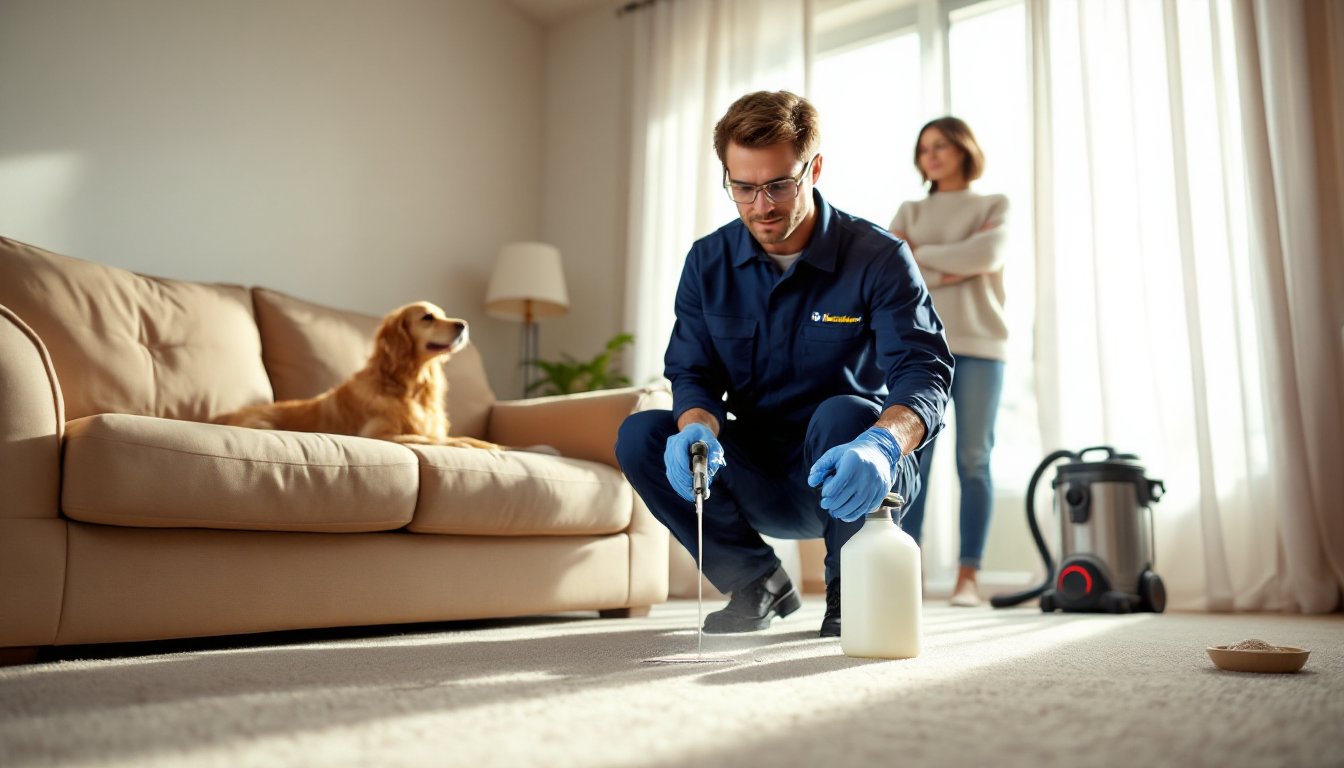
Professional treatment typically involves an initial visit with follow-up applications 14-21 days later to catch newly hatched fleas. Costs range from $150 to $500 depending on home size and infestation severity, though regional pricing varies. Ask if the service includes outdoor treatment and a warranty period.
Reputable exterminators provide a detailed treatment plan, disclose all chemicals used, and explain necessary prep work (like removing pets and covering aquariums). Verify licensing and insurance before hiring, most states require pest control operators to hold current certifications.
Conclusion
Flea and tick control is a multi-front battle: treat pets, clean interiors thoroughly, and manage outdoor breeding grounds. Catching infestations early and maintaining consistent prevention, vacuuming weekly, treating pets year-round, and monitoring yard conditions, keeps these pests from gaining a foothold. When DIY efforts stall or health risks escalate, don’t hesitate to bring in a licensed professional.