Wichita’s climate, hot summers, mild winters, and unpredictable spring storms, creates a year-round welcome mat for pests. From German cockroaches scuttling through kitchens to brown recluse spiders lurking in basements, homeowners face a rotating cast of unwanted tenants. Whether you’re dealing with an active infestation or trying to stay ahead of seasonal invaders, understanding what works (and what doesn’t) can save time, money, and a lot of frustration. This guide covers identification, prevention, DIY tactics, and when it’s time to bring in the pros.
Table of Contents
ToggleKey Takeaways
- Wichita’s hot summers and mild winters create ideal conditions for year-round pests like German cockroaches, brown recluse spiders, termites, and rodents that require proactive identification and management.
- Wichita pest control problems can cause structural damage costing thousands, health risks including asthma triggers and disease transmission, and significant property value loss that impacts home sales and lending approval.
- DIY pest control methods—including exclusion sealing, moisture control, sanitation, traps, and diatomaceous earth—work effectively for minor infestations caught early but should be abandoned after two weeks without improvement.
- Professional pest control services are essential for termites, bed bugs, large rodent infestations, and recurring roaches, with Kansas-licensed providers typically costing $100–$300 per visit with quarterly contracts offering the best value.
- Year-round prevention in Wichita requires seasonal inspections, foundation sealing, moisture management, consistent cleaning, and exterior perimeter treatments to reduce pest activity by up to 60%.
Common Pests in Wichita and How to Identify Them
Wichita sits in a pest sweet spot: enough moisture to support roaches and mosquitoes, enough grain storage to attract rodents, and enough old housing stock to harbor spiders and termites.
German cockroaches are the most common indoor roach. They’re light brown, about ½ inch long, with two dark stripes behind the head. You’ll find them near water sources, under sinks, behind appliances, in wall voids. They reproduce fast, so spotting one usually means dozens more are hiding.
Brown recluse spiders are native to Kansas. They’re tan to dark brown, about the size of a quarter (legs included), with a violin-shaped mark on the back. They prefer dark, undisturbed spaces: closets, attics, crawl spaces, and storage boxes. Their bites are rare but can cause tissue damage.
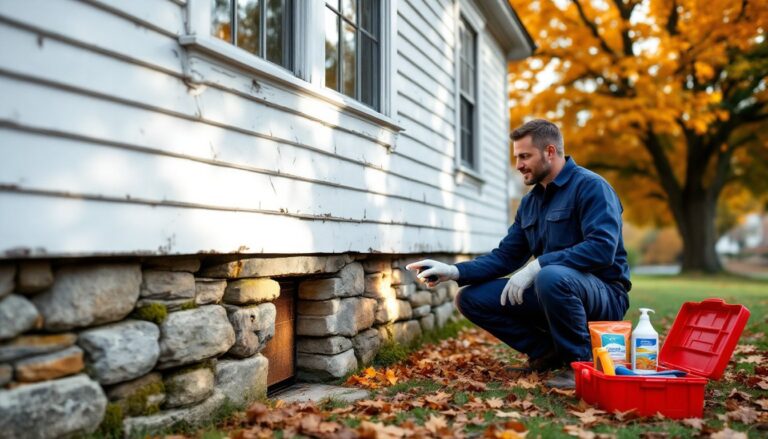
Subterranean termites are active in Wichita’s clay-heavy soil. Look for mud tubes running up foundation walls, hollow-sounding wood, or discarded wings near windowsills in spring. Damage is slow but structural, so early detection matters.
House mice and Norway rats thrive near food sources and water. Mice leave rice-sized droppings and gnaw marks on baseboards. Rats leave larger droppings (about ¾ inch) and grease marks along travel routes. Both can chew through drywall, wiring, and insulation.
Bed bugs have spread through Wichita’s apartments and older homes. They’re reddish-brown, flat, and about the size of an apple seed. Look for rusty stains on sheets, tiny black fecal spots on mattress seams, or itchy bites in clusters or lines.
Ants, especially carpenter ants and odorous house ants, show up in kitchens and bathrooms. Carpenter ants are large (up to ½ inch), black, and nest in damp or rotting wood. Odorous house ants are tiny, brown, and smell like rotten coconut when crushed.
Why Pest Control Matters for Wichita Homeowners
Pest control isn’t just about comfort, it’s about protecting structural integrity, health, and resale value.
Structural damage from termites and carpenter ants can cost thousands in repairs. Termites alone cause over $5 billion in U.S. property damage annually, and Kansas isn’t exempt. Wood-destroying insects weaken floor joists, sill plates, and framing, which can compromise load-bearing capacity. If you’re planning a renovation or selling, a pest inspection is standard, unresolved infestations can kill deals or trigger price reductions.
Health risks are real. Cockroach allergens trigger asthma, especially in kids. Rodent droppings carry hantavirus and salmonella. Brown recluse bites can cause necrotic wounds requiring medical treatment. Bed bugs don’t transmit disease, but their bites cause itching, secondary infections, and sleep loss.
Property value takes a hit when pests are documented. Lenders often require treatment letters before closing. Even minor infestations can scare buyers or give them leverage to negotiate down. Proactive pest management keeps homes market-ready.
Wichita pest control companies report increased calls after wet springs and during fall, when rodents seek shelter. Seasonal spikes mean waiting lists, so staying ahead of problems is smarter than reacting to them.
DIY Pest Control Methods That Actually Work
Not every pest problem requires a service contract. Many infestations can be managed with consistent effort and the right products.
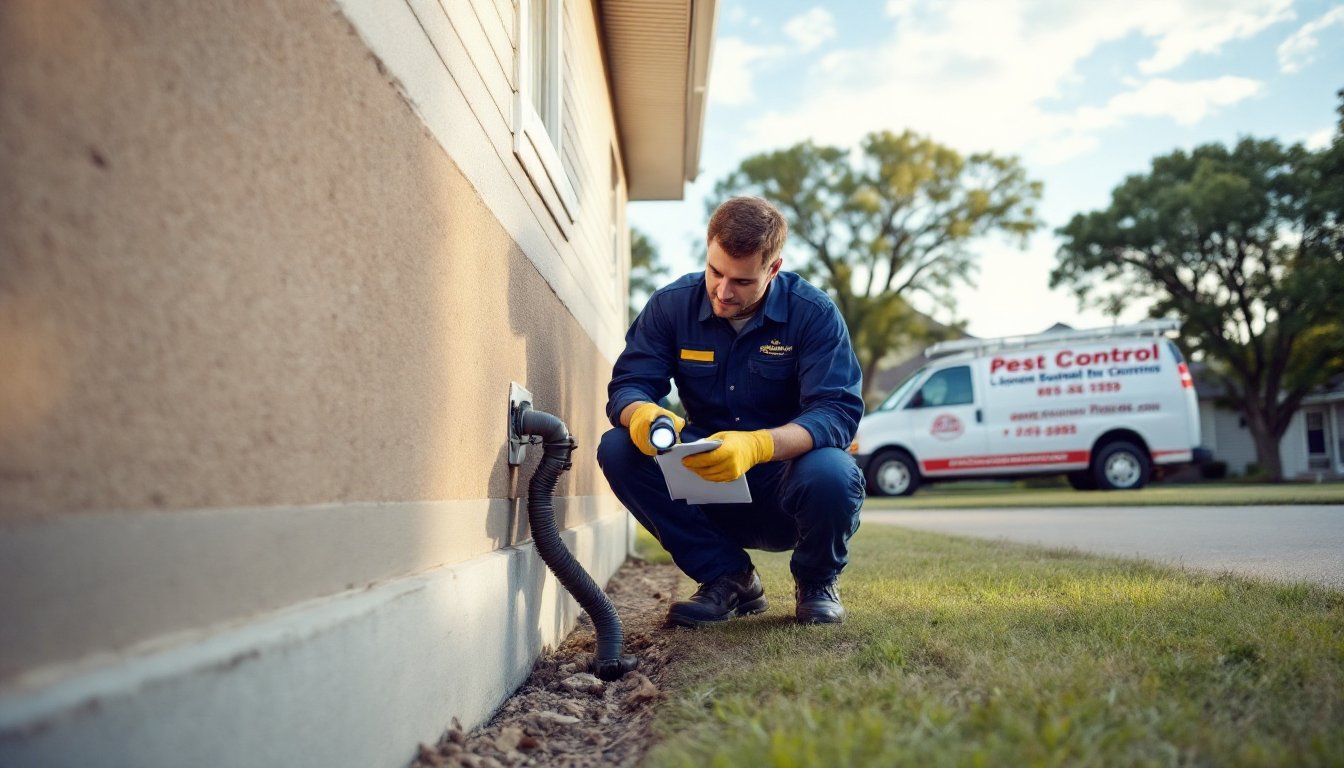
Exclusion is the foundation. Walk your home’s perimeter and seal gaps larger than ¼ inch. Use steel wool stuffed into holes before applying expanding foam insulation, rodents can’t chew through it. Replace damaged weatherstripping on doors and add door sweeps to exterior thresholds. Check where utilities enter the house (cables, pipes, dryer vents) and seal with caulk or foam.
Moisture control eliminates habitat. Fix leaky faucets, repair dripping exterior hose bibs, and ensure gutters drain away from the foundation. Use a dehumidifier in basements and crawl spaces to keep humidity below 50%. Roaches, silverfish, and centipedes all need moisture to survive.
Sanitation removes food sources. Store pantry goods in airtight containers (glass or heavy plastic). Wipe down counters nightly, sweep floors, and take out trash daily. Don’t leave pet food out overnight. Clean behind appliances quarterly, crumbs and grease accumulate where you can’t see.
Traps and baits handle light infestations. Snap traps work for mice: bait with peanut butter, not cheese. Place them perpendicular to walls where you see droppings. Glue boards catch spiders and roaches but aren’t reusable. For ants, use gel baits near entry points, they carry poison back to the colony. Avoid spraying ants directly: it just scatters them.
Diatomaceous earth (DE) is a natural desiccant. Dust it into wall voids, under appliances, and along baseboards. It kills insects by damaging their exoskeletons, but it takes days to work. Use food-grade DE if you have pets or kids. Wear a dust mask during application, it’s harmless once settled but irritates lungs when airborne.
Natural and Chemical-Free Pest Prevention Strategies
Essential oils (peppermint, eucalyptus, tea tree) repel some insects. Mix 10–15 drops with water in a spray bottle and apply to entry points. Effectiveness is limited, and oils need frequent reapplication.
Boric acid is low-toxicity but effective against roaches and ants. Dust it into cracks, under sinks, and behind appliances. Keep it away from food prep areas and pets. Boric acid treatments offer a middle ground between natural and synthetic options.
Cedar blocks and sachets deter moths and some beetles. Place them in closets and storage bins. Replace or sand them annually to refresh the scent.
Beneficial insects like ladybugs and lacewings control aphids and other pests outdoors. They won’t solve indoor problems, but they reduce pressure on gardens and foundations.
DIY works best for minor issues caught early. If you’re still seeing activity after two weeks of consistent effort, it’s time to escalate.
When to Call a Professional Pest Control Service
Some situations require commercial-grade tools, restricted-use pesticides, or specialized knowledge. Knowing when to call in help saves money in the long run.
Termites always require pros. Treatment involves liquid termiticides or bait stations installed around the perimeter. Kansas requires licensed applicators for termiticides. DIY products don’t reach deep enough or last long enough to protect your investment.
Bed bugs are notoriously hard to eliminate. They hide in seams, outlets, and baseboards, places homeowners can’t treat effectively. Pros use heat treatments (raising room temps to 120°F+) or residual insecticides applied with precision. Multiple visits are standard. If you’ve tried DIY and still have bites, don’t wait.
Large rodent infestations need trapping expertise and exclusion work beyond basic sealing. Pros identify entry points you’ll miss, set trap lines in attics and crawl spaces, and remove carcasses. Wildlife removal specialists handle raccoons, squirrels, and bats, which require permits in Kansas.
Recurrent roach problems mean there’s a hidden reservoir, wall voids, crawl spaces, or shared walls in multi-family housing. Pros use insect growth regulators (IGRs) and residual sprays that target breeding cycles. They also treat inaccessible areas with dusts and baits homeowners can’t access.
Wood-destroying insects like carpenter ants and powder post beetles need professional-grade borate treatments or fumigation in severe cases. Structural repairs may follow.
When evaluating certified pest control services, ask about licensing (Kansas Department of Agriculture issues pest control licenses), treatment methods, and warranties. According to HomeAdvisor, average pest control costs in Wichita range from $100–$300 per visit, with quarterly contracts offering the best value. Get quotes from at least three providers and confirm they carry liability insurance.
Red flags: companies that push multi-year contracts upfront, refuse to identify products used, or guarantee 100% elimination. Pests are living organisms, responsible companies promise management, not miracles.
Year-Round Pest Prevention Tips for Your Wichita Home
Effective pest control is ongoing, not reactive. Build these tasks into your home maintenance calendar.
Spring (March–May): Inspect foundation for cracks after freeze-thaw cycles. Termites swarm in April and May, look for discarded wings near windows. Trim tree branches and shrubs back at least 18 inches from siding. Clean gutters and ensure downspouts extend 4–6 feet from the foundation. Check crawl space vents for damage.
Summer (June–August): Mosquitoes breed in standing water. Dump flowerpot saucers, kiddie pools, and clogged gutters weekly. Repair torn window screens (use 18×14 mesh or finer). Keep outdoor trash cans sealed and hose them out monthly. Ants and flies peak in July, wipe down surfaces and store food promptly.
Fall (September–November): Rodents seek indoor shelter as temps drop. Inspect attic vents, roof line, and soffits for gaps. Store firewood at least 20 feet from the house and off the ground on a rack. Boxelder bugs and Asian lady beetles cluster on south-facing walls, vacuum them up (don’t crush them: they stain). Seasonal prevention routines apply across the Midwest.
Winter (December–February): Check basements and crawl spaces for rodent droppings. Spiders retreat indoors, vacuum webs and egg sacs. Inspect holiday decorations before bringing them inside. Keep indoor humidity low to discourage silverfish and cockroaches.
Year-round: Vacuum weekly, including under furniture and along baseboards. Store pantry items in sealed containers. Take trash out nightly. Fix plumbing leaks immediately. According to Good Housekeeping, homes with consistent cleaning routines see 60% fewer pest issues.
Exterior perimeter: Apply a granular insecticide band around the foundation twice a year (spring and fall). Products containing bifenthrin or lambda-cyhalothrin provide 2–3 months of residual protection. Always follow label rates and keep pets off treated areas until dry.
Attic and crawl space: Inspect quarterly. Look for droppings, nesting material, chewed insulation, or damaged vapor barriers. Install hardware cloth (¼-inch mesh) over vents if you’ve had wildlife intrusions.
Conclusion
Pest control in Wichita is a mix of climate awareness, consistent maintenance, and knowing when DIY stops being effective. Seal entry points, control moisture, and stay clean, most problems won’t escalate. But when you’re facing termites, bed bugs, or recurring roaches, call a licensed pro. Your home’s structural integrity and your family’s health are worth the investment.