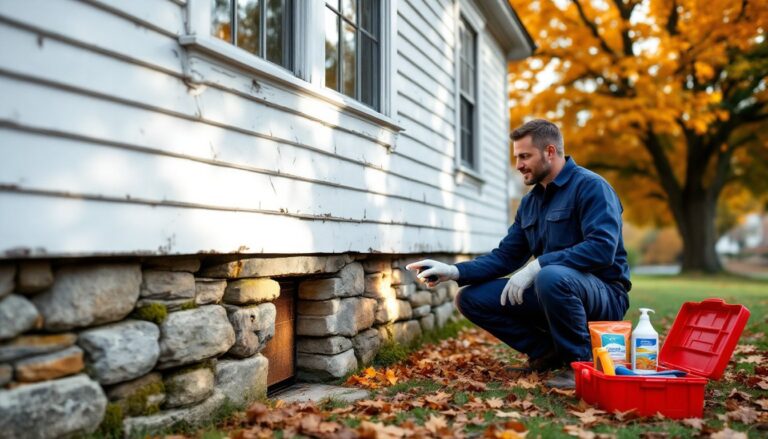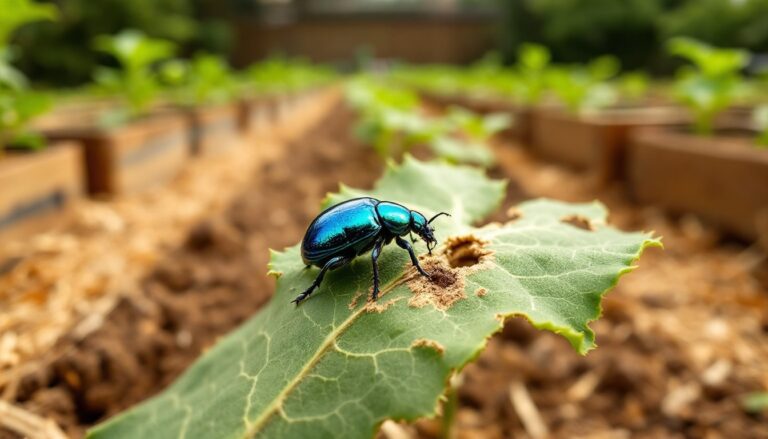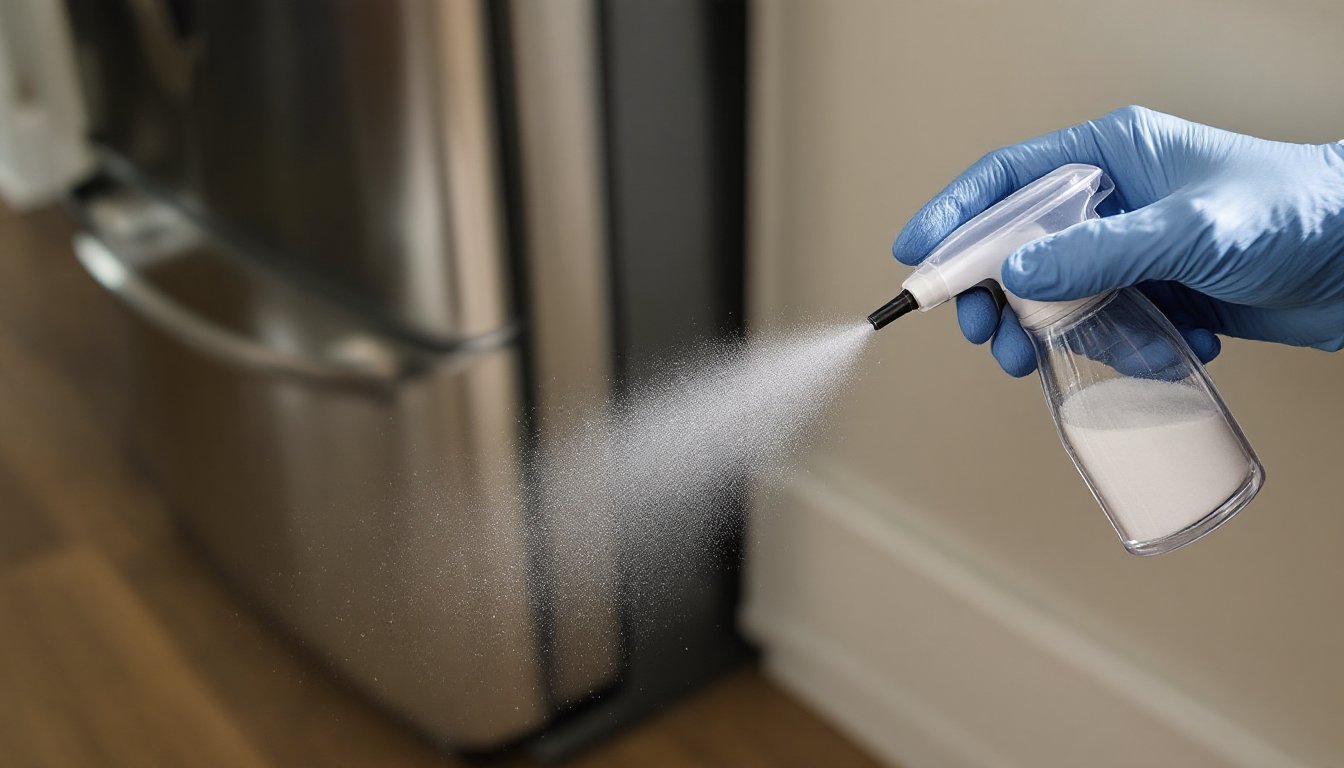
Battling pests in hard-to-reach places, wall voids, attic corners, behind appliances, requires more than just a spray bottle. A hand duster delivers insecticide dust exactly where crawling insects hide, travel, and nest. Unlike liquid treatments that evaporate or wash away, dusts stick to pests as they move through treated areas, disrupting infestations at the source. For DIYers tackling carpenter ants in wall cavities, roaches behind baseboards, or wasps in eave gaps, a hand duster offers precision, control, and lasting residual action. This guide covers how these tools work, which type suits different applications, and how to use them safely and effectively.
Table of Contents
ToggleKey Takeaways
- A hand duster delivers insecticide dust precisely into hard-to-reach spaces where pests hide, providing months or years of residual control that liquid sprays cannot achieve.
- Bulb dusters suit small spot treatments while plunger dusters offer greater capacity and coverage for attic, crawl space, and whole-house perimeter applications.
- Diatomaceous earth works mechanically and is non-toxic for dry indoor spaces, boric acid disrupts insect metabolism for lasting control in wall voids, and deltamethrin dust is waterproof for damp areas and outdoor pest treatment.
- Proper technique—using safety gear, applying light coatings, and working methodically—prevents waste and ensures the hand duster reaches every cavity where carpenter ants, cockroaches, wasps, and other crawling pests travel.
- Hand dusters are most effective against crawling insects and nesting pests in confined spaces, but ineffective against flying insects that don’t contact treated surfaces.
- Regular maintenance including clearing extension tip clogs, checking seals, and proper storage in cool, dry conditions keeps your duster functioning reliably for years of pest control.
What Is a Hand Duster and How Does It Work?
A hand duster is a manually operated applicator designed to dispense fine insecticide dust into cracks, crevices, voids, and other confined spaces where pests hide. The tool consists of a dust reservoir (typically a clear or translucent chamber so you can monitor fill levels), a handle or bulb for generating air pressure, and a narrow extension tip or nozzle that directs the dust stream.
When the user squeezes the bulb or pumps the plunger, air pressure forces the dust out in a targeted puff. The finest particles, often in the 5 to 50-micron range, travel deep into voids and settle onto surfaces where pests walk or groom themselves. Insects pick up the dust on their bodies, ingest it during grooming, or absorb it through their exoskeletons, depending on the active ingredient.
Because the dust remains active for months (or even years in dry, undisturbed locations), a single application can provide long-term control. Hand dusters excel in areas liquid sprays can’t reach: inside wall voids accessed via outlet covers, along ceiling joists in attics, behind kitchen appliances, and in crawl spaces with limited clearance. They’re also ideal for treating wasp nests in eaves or ground burrows without getting close enough to provoke an attack.
Types of Hand Dusters for Different Pest Control Needs
Choosing the right duster depends on the scale of your project, the accessibility of target areas, and how much precision you need.
Bulb Dusters vs. Plunger Dusters
Bulb dusters feature a rubber or silicone bulb you squeeze to generate air pressure. They’re compact, lightweight, and ideal for small jobs, treating a few outlet voids, dusting under a refrigerator, or spot-treating wasp entry points. Most hold 4 to 8 ounces of dust and cost between $10 and $20. The bulb design offers fine control over puff size, making it easier to avoid over-application. Downsides: limited capacity and slower coverage for large areas.
Plunger (or bellows) dusters use a pump-action handle that pushes air through the reservoir with each stroke. They hold 12 to 16 ounces or more, deliver stronger, deeper puffs, and cover more ground per refill. Plunger models are better for attic treatments, whole-house perimeter dusting, or commercial-scale applications. They cost $20 to $40 and often include interchangeable extension tips (straight, curved, or flexible) for reaching behind wall studs or into tight corners.
For most homeowners tackling occasional pest issues, a bulb duster is sufficient and easier to store. If you’re treating a crawl space, entire attic, or multiple rooms, invest in a plunger model. Some professionals keep both on hand, bulb for precision work, plunger for volume.
Best Insecticide Dusts to Use with Your Hand Duster
Not all dusts work the same way, and choosing the wrong product can leave you with poor coverage or minimal pest control. Match the dust to the pest and the environment.
Diatomaceous earth (DE) is a natural, non-toxic option made from fossilized algae. It works mechanically, microscopic sharp edges abrade insect exoskeletons, causing dehydration. Use food-grade DE (not pool-grade, which is chemically treated and toxic if inhaled). DE is effective against roaches, ants, silverfish, and bed bugs in dry indoor spaces. It loses effectiveness when wet, so avoid using it in damp basements or crawl spaces. Coverage is roughly 1 pound per 500 square feet for light dusting.
Boric acid is a low-toxicity chemical dust that disrupts insect metabolism when ingested. It’s highly effective against roaches, carpenter ants, and silverfish. Boric acid applications remain active for years in dry, undisturbed areas like wall voids and attic spaces. Apply lightly, a visible coating is overkill and insects will avoid it. Boric acid can irritate eyes and respiratory systems, so wear a dust mask (N95 or better) and safety goggles during application.
Deltamethrin dust (such as Delta Dust) is a synthetic pyrethroid with faster knockdown and longer residual than DE or boric acid. It’s waterproof, so it works in damp crawl spaces, around plumbing penetrations, and in outdoor applications like ground wasp nests. Deltamethrin is effective against a broad spectrum, wasps, hornets, carpenter bees, termites, and more. Expect residual control for up to 8 months indoors, 4 months outdoors. One 1-pound bottle covers approximately 1,000 to 2,000 square feet.
Always read the product label for target pests, application rates, and reentry intervals (the time you must wait before reoccupying treated areas). Some dusts require professional certification for purchase or application in certain jurisdictions.
Step-by-Step Guide to Using a Hand Duster Safely
Proper technique ensures effective coverage without waste, mess, or health risks. Rushing or over-applying is the most common DIY mistake.
1. Gear up. Put on safety goggles, an N95 or P100 respirator, nitrile gloves, and long sleeves. Even low-toxicity dusts irritate mucous membranes and lungs.
2. Fill the duster. Remove the reservoir cap and pour dust slowly to avoid creating airborne clouds. Fill to no more than two-thirds capacity so the dust can move freely inside. Tap the duster gently to settle the powder.
3. Prime the applicator. Point the tip away from your face and give 2–3 test puffs into a disposable bag or outdoors to confirm airflow and clear any clogs.
4. Apply lightly. Insert the extension tip into cracks, crevices, or voids. Squeeze the bulb or pump the plunger once or twice per location. You want a thin, barely visible coating, not a pile. Pests avoid heavy deposits. For wall voids, remove outlet cover plates (after turning off power at the breaker) and puff into the cavity from multiple outlets on the same wall to ensure even distribution.
5. Work methodically. Treat one room or area at a time. Common application sites include:
- Behind and under appliances
- Along baseboards and door thresholds
- Inside wall voids via outlet covers or small drill holes (patch afterward)
- Attic eaves, soffits, and insulation gaps
- Crawl space perimeters and plumbing penetrations
- Wasp nest entrances (treat at dusk when wasps are less active)
6. Clean up. Wipe down the exterior of the duster with a damp cloth. Store it in a cool, dry place away from children and pets. Seal any opened dust containers tightly. Dispose of gloves and wash hands thoroughly.
7. Allow reentry time. Check the product label. Most dusts require a 4-hour reentry interval, though some need longer. Ventilate treated areas before reoccupying.
Common Pests You Can Target with a Hand Duster
Hand dusters work best against crawling insects and pests that nest or travel through confined spaces. Knowing which pests respond to dust treatments helps you choose the right product and placement strategy.
Carpenter ants nest inside wall voids, hollow doors, and structural lumber. Dusting wall voids and entry points (often around windows, plumbing, or electrical penetrations) delivers the insecticide directly to the colony. Boric acid or deltamethrin dusts work well.
Cockroaches hide in cracks behind appliances, under sinks, and inside wall voids. Light dusting in these areas forces roaches to contact the dust as they forage. Boric acid is particularly effective because roaches groom themselves frequently, ingesting the dust.
Bed bugs can be treated with DE or silica gel dusts in cracks, baseboards, and behind outlet covers. Dust alone won’t eliminate an infestation, combine it with heat treatment or professional intervention, but it helps as a residual barrier.
Wasps and hornets nesting in eaves, ground burrows, or wall voids can be treated from a safe distance by dusting the nest entrance at dusk. Deltamethrin dust is ideal because it kills on contact and prevents returning wasps from rebuilding. According to experts at The Spruce, treating wasp nests with dust is safer than sprays, which can agitate the colony and provoke mass attacks.
Silverfish thrive in attics, basements, and bathrooms. Dust along baseboards, behind insulation, and in storage areas to create a long-lasting barrier.
Fleas in carpets, along baseboards, and in crawl spaces can be controlled with DE or boric acid. Work the dust into carpet fibers with a broom before vacuuming after the reentry interval.
Hand dusters are not effective against flying insects (flies, mosquitoes) or pests that don’t come into contact with treated surfaces (such as termites in active mud tubes, which require professional treatment).
Maintenance and Storage Tips for Long-Lasting Performance
A well-maintained duster lasts for years and delivers consistent performance. Neglect leads to clogs, leaks, and wasted dust.
After each use:
- Tap out any remaining dust into the original container or a sealed bag.
- Wipe the exterior with a damp cloth to remove residue.
- Inspect the extension tip for clogs. Use a thin wire or compressed air to clear blockages.
- Check the bulb or plunger seal for cracks or wear. Replace if air leaks reduce puff strength.
Between seasons:
- Disassemble the duster (if the design allows) and rinse non-electrical components with warm water. Let them dry completely before reassembly to prevent clumping.
- Store in a cool, dry location away from direct sunlight, which can degrade rubber bulbs and plastic reservoirs.
- Keep the duster in a sealed plastic bag or dedicated toolbox to prevent contamination or accidental spills.
Product storage:
- Store insecticide dusts in their original containers with labels intact.
- Keep them in a locked cabinet or high shelf, away from children, pets, and food.
- Check expiration dates. Most dusts remain effective for 2 to 5 years if stored properly, though boric acid and DE have indefinite shelf lives in dry conditions.
When to replace:
- Bulb dusters with cracked or sticky bulbs that no longer generate strong puffs.
- Plunger dusters with bent or broken extension tips that compromise aim.
- Any duster with a damaged reservoir that leaks or allows moisture intrusion.
Regular maintenance ensures your duster is ready when pests show up, and in pest control, timing matters. Homeowners dealing with recurring issues may benefit from consulting resources on professional pest management strategies to decide when DIY methods should give way to licensed help.