Aiken’s warm, humid climate and lush vegetation create ideal conditions for pests year-round. From carpenter ants undermining deck posts to termites chewing through floor joists, pest problems in this region can escalate from nuisance to structural threat faster than most homeowners realize. This guide cuts through the clutter to deliver actionable strategies for identifying common pests, deploying DIY solutions that actually work, and knowing when to bring in professional reinforcements. Whether you’re dealing with an active infestation or setting up preventive barriers, these tactics are built for Aiken’s specific challenges.
Table of Contents
ToggleKey Takeaways
- Aiken’s warm, humid climate makes year-round pest control essential, with termites and carpenter ants posing the greatest structural threats to homeowners.
- Early identification of common pests—from mud tubes and discarded wings for termites to droppings and rub marks for rodents—enables prompt DIY intervention before infestations escalate.
- Physical barriers like door sweeps, sealed cracks, and moisture control are the most cost-effective long-term Aiken pest control strategies, eliminating pest habitats before infestations begin.
- Professional pest control services are necessary for termites, bed bugs, carpenter ant colonies in walls, and heavy infestations that exceed DIY capabilities or threaten structural integrity.
- Seasonal pest prevention tailored to Aiken’s climate—pre-emergent fire ant treatment in spring, perimeter sealing in fall—prevents problems more effectively than reactive treatment year-round.
Common Pest Problems in Aiken and How to Identify Them
Aiken homeowners face a rotating cast of intruders, each leaving distinct calling cards. Recognizing the signs early saves both money and structural integrity.
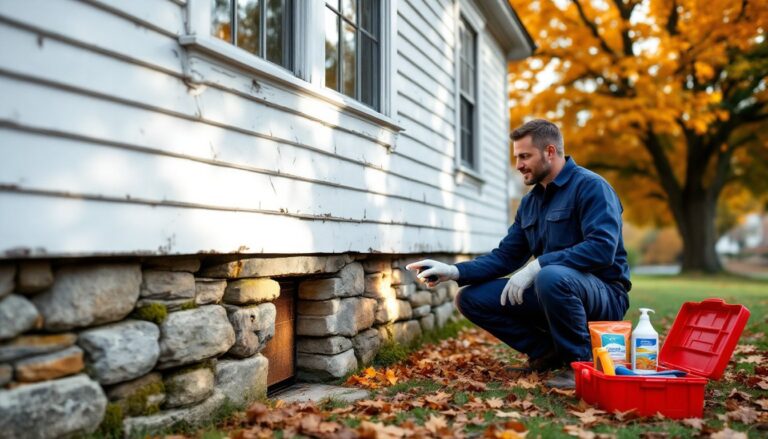
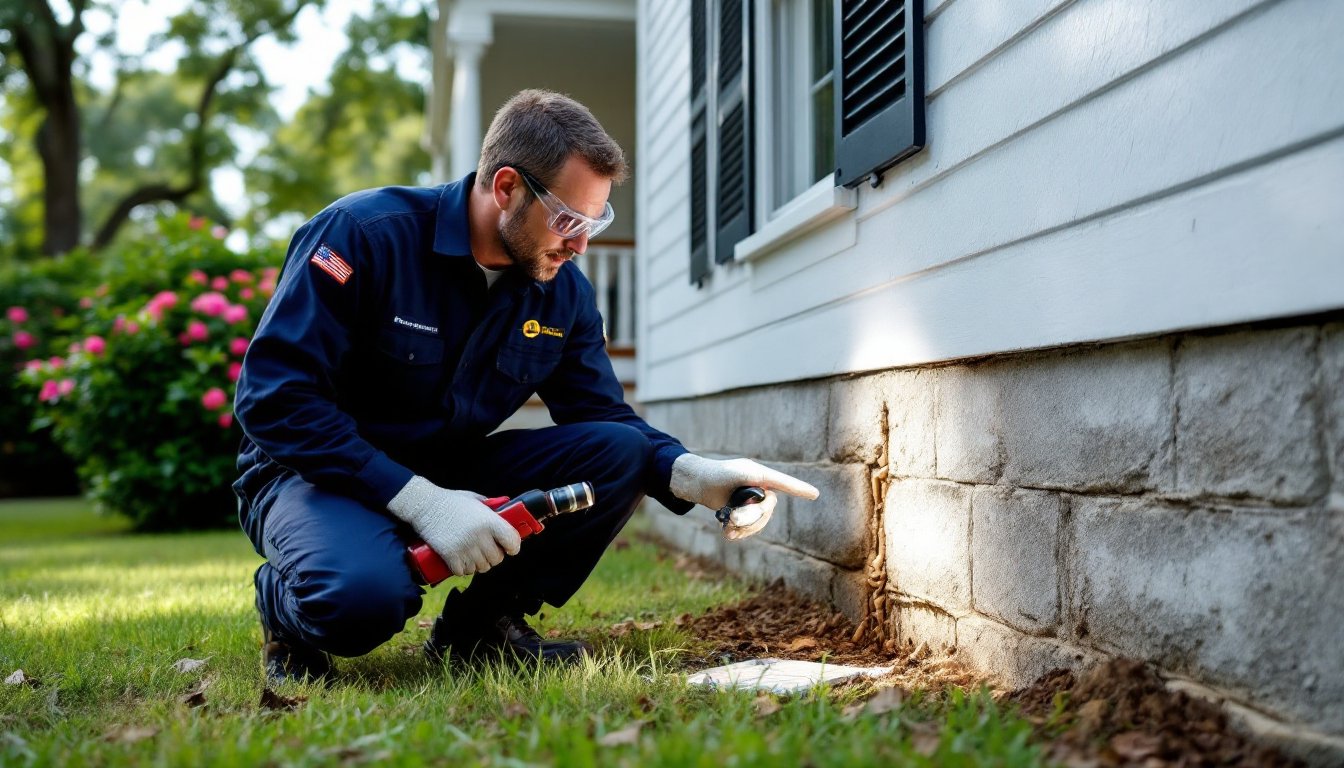
Termites top the list in South Carolina’s humid climate. Look for mud tubes running up foundation walls (typically ¼-inch wide), discarded wings near windowsills in spring, and hollow-sounding wood when tapped. Subterranean termites are most common here, requiring contact with soil moisture. Check crawl spaces and basement rim joists annually.
Carpenter ants are often mistaken for termites but leave frass (sawdust-like debris) instead of mud. They excavate wood rather than eat it, preferring moisture-damaged lumber. You’ll spot them trailing along deck ledger boards or window headers, especially after dark. Workers measure ½ to ⅝ inch, much larger than nuisance ants.
Cockroaches thrive in Aiken’s humidity. The American cockroach (reddish-brown, 1½–2 inches) congregates in basements and crawl spaces. German cockroaches (light brown, ½ inch) prefer kitchens and bathrooms. Droppings resemble black pepper or coffee grounds: check behind appliances and under sinks.
Rodents leave gnaw marks on electrical wiring, insulation, and food packaging. Mouse droppings are rice-sized: rat droppings are ¾ inch and blunt-ended. Look for greasy rub marks along baseboards where they travel repeatedly. Hearing scratching in walls at night signals an active problem.
Fire ants build mounds in lawns and flowerbeds, often near irrigation zones. Disturbing a mound triggers aggressive swarming. Their stings cause burning welts that can trigger allergic reactions in sensitive individuals.
DIY Pest Control Solutions for Aiken Homeowners
Most pest issues start as manageable problems that escalate when ignored. Homeowners can handle early-stage infestations and prevention with the right approach and materials.
Natural and Chemical-Free Pest Prevention Methods
Physical barriers deliver the best long-term results without reapplication. Install door sweeps (vinyl or aluminum) on all exterior doors, ensuring no gap exceeds ⅛ inch, the threshold mice can compress through. Seal foundation cracks with polyurethane or silicone caulk rated for exterior use: elastomeric sealants handle seasonal expansion better than standard acrylic.
Replace damaged window screens immediately. Use 20-mesh stainless steel screening for crawl space vents to exclude both insects and rodents. Standard fiberglass tears too easily.
Diatomaceous earth (food-grade only) works mechanically, not chemically, abrading insect exoskeletons. Apply a thin layer along baseboards, in attics, and under appliances. It remains effective until wet, so reapply after cleaning. Wear a dust mask during application, it’s non-toxic but irritates lungs.
Moisture control eliminates habitat. Fix leaking faucets, clear gutter downspouts to drain at least 6 feet from foundations, and use a dehumidifier in basements or crawl spaces to maintain below 50% relative humidity. Pests need water more than food. For homeowners dealing with persistent moisture-loving pests, boric acid solutions provide an effective middle ground between purely natural methods and harsh chemicals.
Remove harborage by trimming shrubs at least 12 inches from siding, keeping firewood stacked 20 feet from structures and elevated on pallets, and storing lumber off the ground. Mulch should sit no deeper than 2–3 inches and pull back 6 inches from foundation walls.
Essential Tools and Products for Home Pest Management
A caulking gun and variety pack of sealants (silicone, polyurethane, expanding foam) handle most exclusion work. For tight spaces, a foam applicator gun with low-expansion foam prevents bowing window frames or door jambs.
Snap traps remain the most effective rodent solution. The classic Victor wooden traps work, but plastic versions with pre-set triggers are easier to deploy safely. Bait with peanut butter, not cheese, it’s stickier and requires rodents to work the trigger. Place traps perpendicular to walls with the trigger end facing the baseboard. For professional-level challenges like raccoons or opossums, wildlife pest control methods require different tactics entirely.
Gel baits for ants and roaches contain slow-acting insecticides that workers carry back to colonies. Apply pea-sized dots in cracks, behind appliances, and under sinks, not across open floors where pets or kids can access them. Advion and Maxforce brands deliver reliable results for German cockroaches.
Bait stations for rodents keep toxicants contained. Use tamper-resistant models like Protecta or Tomcat if pets or children are present. Place stations along walls where droppings appear, checking weekly. Dead rodents in walls are a risk, traps offer more control over carcass location.
A sprayer (1–2 gallon pump style) applies perimeter treatments. For barrier sprays, use bifenthrin or permethrin concentrates mixed per label instructions. Apply a 3-foot band up exterior walls and 6–10 feet out on the ground. Reapply quarterly or after heavy rain. Always wear nitrile gloves, safety glasses, and long sleeves during application.
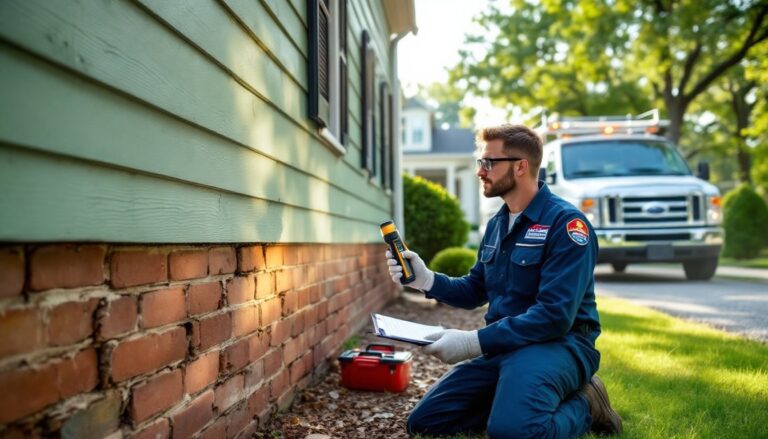
A headlamp and inspection mirror help spot activity in crawl spaces, attics, and behind appliances. Most pest problems hide where homeowners don’t routinely look.
When to Call a Professional Pest Control Service
Some infestations exceed DIY capabilities or carry risks that outweigh cost savings. Knowing when to escalate prevents expensive structural damage and health hazards.
Termites require professional intervention. Treatment methods, liquid termiticides trenched around foundations, bait stations, or fumigation for drywood species, demand specialized equipment and licensed applicators. South Carolina law requires termite inspections for real estate transactions, and most mortgage companies mandate professional treatment records. DIY termite products sold at home centers lack the concentration and residual effectiveness of professional-grade materials. When evaluating local options, examining how certified pest control services approach termite treatment reveals important differences in warranty coverage and monitoring protocols.
Structural carpenter ant colonies nesting inside walls or roof assemblies need professional treatment. While you can kill foraging workers, locating and treating the main colony requires experience and dust insecticides applied into wall voids. Missing the nest means they’ll keep excavating.
Bed bugs spread rapidly and resist most consumer-grade insecticides. Professional treatment combines heat treatment (raising room temps to 120–140°F), steam, and residual insecticides applied with precision. DIY attempts usually disperse bugs to new rooms rather than eliminating them.
Wildlife removal, raccoons, squirrels, bats, often requires permits and specialized trapping methods. Many species are protected: improper handling risks rabies exposure. Professionals exclude animals humanely and seal entry points per building codes.
Heavy infestations of any pest signal established colonies beyond what traps and sprays can manage. If you’re finding 20+ cockroaches nightly or rodent droppings multiply even though trapping, the population exceeds DIY control.
When hiring, verify the company holds a South Carolina pesticide applicator license (category 7a for general pests, 7e for termites). According to home service reviews on Angi, reputable companies provide written treatment plans, product labels, and service guarantees. Ask about integrated pest management (IPM) approaches that prioritize exclusion and sanitation over chemical dependence. Get at least three quotes and compare warranty terms, especially for termite work, some cover re-treatment only, others include structural damage repair up to a cap.
Seasonal Pest Control Tips for Aiken’s Climate
Aiken’s subtropical climate means pest pressure shifts but never fully stops. Aligning prevention with seasonal patterns keeps problems manageable.
Spring (March–May) brings termite swarms and carpenter ant activity as temperatures hit 70°F consistently. Inspect foundations and crawl spaces for mud tubes before vegetation fills in. Apply pre-emergent fire ant bait (like Amdro) to lawns in late March when soil temps reach 60°F, it prevents mound formation rather than treating existing colonies. Clean gutters and repair downspouts before spring rains saturate soils near foundations.
Summer (June–August) peaks for mosquitoes, fleas, and ticks. Eliminate standing water in gutters, tarps, and flowerpot saucers weekly. For larger properties, homeowners using methods similar to those employed by professional pest management companies often install misting systems for yard perimeters. Treat lawns with granular bifenthrin for fleas and ticks if pets go outdoors. Apply in early morning or evening when dew helps granules adhere: water in lightly afterward. Check attic vents for wasp nests and treat at dusk when workers return.
Fall (September–November) triggers rodent and spider movement indoors as outdoor food sources decline. Seal gaps around where utilities enter homes, cable lines, AC line sets, dryer vents, using copper mesh or ¼-inch hardware cloth before filling gaps with foam. Rodents gnaw through foam alone. Store holiday decorations in sealed plastic bins rather than cardboard, which rodents shred for nesting. Resources like HomeAdvisor’s seasonal maintenance guides emphasize that fall exclusion work prevents winter infestations more effectively than mid-season trapping.
Winter (December–February) sees reduced insect activity but increased rodent pressure. Check stored items in garages and attics for signs of nesting. Maintain firewood storage at least 20 feet from structures, even in cold months, it harbors overwintering pests. Inspect weatherstripping on doors and garage seals: cold-seeking rodents exploit even small gaps. If you spot Asian lady beetles clustering on sunny walls, vacuum them up rather than crushing (they stain). Seal attic ridge vents with ¼-inch hardware cloth if bats or squirrels attempt entry.
Conclusion
Effective pest management in Aiken isn’t about waiting for problems to surface, it’s about building layered defenses through exclusion, moisture control, and timely intervention. DIY methods handle most situations when deployed correctly and early. But structural pests like termites and entrenched infestations demand professional expertise and equipment that justify the expense. Stay ahead by scheduling seasonal inspections and addressing cracks, leaks, and gaps before pests find them.