Termites don’t send advance notice before they chew through your floor joists. Neither do carpenter ants, powder post beetles, or the rodents nesting in your crawl space. When structural pests invade, the difference between minor damage and a five-figure repair often comes down to one thing: working with a certified professional who knows what they’re looking for and how to eliminate it properly. This guide walks through what certification means in pest <a href="https://thewarehousederry.com/pest-control-winston-salem/”>control, why it matters for your home’s structural integrity, and how to choose a company that’ll actually solve the problem.
Table of Contents
ToggleKey Takeaways
- Certified termite and pest control technicians must complete state-mandated training, pass licensing exams, and maintain active credentials—ensuring they understand structural vulnerabilities and proper chemical application that unlicensed operators lack.
- Termite damage often occurs out of sight, so watch for mud tubes, discarded wings, hollow-sounding wood, and sagging floors; early detection through professional inspection can save thousands in structural repairs.
- Most lenders require a WDO inspection report from a certified inspector before closing, and these inspections typically cost $75–$150 but can reveal hidden damage that affects property value.
- When choosing a certified pest control company, verify state license numbers, request treatment specifications for your pest type, get multiple estimates, and prioritize warranty terms over low bids.
- Professional termite control methods vary by pest type—from liquid soil treatments and bait stations for subterranean termites to spot treatments and heat treatments for drywood termites—and should be matched to your specific situation.
- Red flags include refusal to provide credentials, pressure for same-day signing, vague product descriptions, and unusually low bids; reputable certified companies prioritize your confidence in their expertise over aggressive sales tactics.
What Is Certified Termite and Pest Control?
Certified termite and pest control refers to services provided by technicians who’ve completed state-mandated training, passed licensing exams, and maintain active credentials through continuing education. Unlike general pest control, which might focus on ants or spiders, certified termite control specifically addresses wood-destroying organisms (WDOs) like subterranean termites, drywood termites, carpenter ants, and wood-boring beetles.
Certification requirements vary by state but typically include:
- 40-80 hours of initial training covering pest biology, treatment methods, and chemical application safety
- Passing a state licensing exam with separate sections for general pest control and structural pest control
- Annual continuing education units (CEUs) to stay current on new treatment methods and regulations
- Insurance coverage meeting state minimums, usually $300,000-$1,000,000 in general liability
- Proper licensing to apply restricted-use pesticides like termiticides (fipronil, imidacloprid, chlorantraniliprole)
Most states distinguish between commercial applicator licenses (for businesses) and certified operator licenses (for individual technicians). Both are necessary for legal operation. Some jurisdictions also require separate structural fumigation licenses for whole-house tent treatments using sulfuryl fluoride.
Certified companies must follow Integrated Pest Management (IPM) principles, which prioritize inspection, monitoring, and targeted treatment over blanket chemical application. This isn’t just good practice, it’s often legally mandated and part of maintaining certification status.
Why Certification Matters for Pest Control Services
Certification isn’t a marketing gimmick. It’s the regulatory baseline that separates professionals from unlicensed operators who can do more harm than good.
Structural knowledge: Certified technicians understand building construction well enough to identify vulnerable areas, where sill plates meet foundation walls, how moisture accumulates around HVAC penetrations, why subterranean termites target the rim joists in crawl spaces. They know the difference between cosmetic damage and load-bearing compromise. An uncertified operator might miss active infestation in your floor system while spraying visible bugs in the garage.
Chemical competency: Termiticides aren’t household insecticides. Products like Termidor SC or Altriset require precise mixing ratios, specific application volumes (typically 4 gallons per 10 linear feet for perimeter treatments), and drilling patterns that won’t compromise your foundation. Misapplication wastes money and leaves gaps in protection. Worse, improper handling can contaminate soil, groundwater, or indoor air.
Legal accountability: Licensed professionals carry proper insurance and are accountable to state regulatory boards. If a treatment fails or causes damage, you have recourse. Homeowners dealing with wildlife pest control or structural pests need that protection. Unlicensed operators disappear when things go wrong.
Real estate requirements: Most lenders require a WDO inspection report (often called a termite letter) signed by a certified inspector before closing. Only licensed companies can provide these legally binding documents. According to HomeAdvisor, these inspections typically cost between $75-$150 but can save thousands in undiscovered damage.
Certification also means the company stays current on emerging pests and treatment innovations. Formosan termites weren’t widespread in the U.S. thirty years ago: now they’re a major threat in the Southeast. Certified operators receive training updates as pest populations shift.
Common Signs You Need Professional Termite and Pest Control
Most structural pest damage happens out of sight until it’s advanced. Here’s what to watch for:
Visible termite signs:
- Mud tubes running up foundation walls, sill plates, or pier supports (about 1/4-inch to 1/2-inch wide)
- Discarded wings near windowsills or door frames in spring (swarmer season)
- Hollow-sounding wood when tapped with a screwdriver handle
- Frass (termite droppings) that looks like fine sawdust or coffee grounds near baseboards or in crawl spaces
Carpenter ant indicators:
- Large black ants (up to 5/8-inch long) with smooth, rounded thoraxes
- Piles of coarse sawdust below wooden beams or wall voids
- Rustling sounds inside walls during evening hours (they’re nocturnal)
Powder post beetles:
- Tiny round exit holes (1/16-inch to 1/8-inch) in hardwood flooring, trim, or furniture
- Fine, flour-like powder below holes (frass from tunneling larvae)
Structural red flags:
- Sagging floors or ceilings without apparent water damage
- Doors or windows that suddenly stick in frames
- Visible gaps forming between floor and wall baseboards
- Buckling or blistering paint on wood surfaces
If you’re noticing these issues alongside other problems, professional intervention is non-negotiable. Many of the same principles used in certified pest control apply to termite management, early detection and targeted treatment save structural components.
Identifying Termite Damage in Your Home
Probe test: Use a flathead screwdriver or awl to gently press into exposed wood in your crawl space, basement rim joists, or around exterior door frames. Healthy wood resists pressure. Termite-damaged wood feels soft, crumbles easily, or the tool penetrates with little resistance.
Check high-moisture areas first: Subterranean termites need moisture. Start inspections near water heaters, under kitchen or bathroom sinks, around exterior hose bibs, and wherever grading slopes toward the foundation. Look for mud tubes along concrete, inside unfinished basements, or on exterior foundation walls.
Inspect wood-to-ground contact: Deck posts sitting directly on soil, firewood stacked against siding, landscape timbers, or wooden steps without proper clearance are termite highways. Building codes typically require 6-8 inches of clearance between soil and wood siding, but older homes often don’t meet this standard.
Attic checks for drywood termites: In warmer climates, drywood termites infest roof framing, exposed beams, and attic joists. Look for frass piles on attic insulation, kick-out holes in rafters, or wings near attic vents.
If you confirm active damage, don’t delay treatment. Termites consume wood 24/7, and a mature colony can eat through a 2×4 stud in as little as five months under ideal conditions.
What to Expect During a Certified Pest Inspection
A thorough termite and pest inspection takes 45-90 minutes for an average-sized home. Here’s the breakdown:
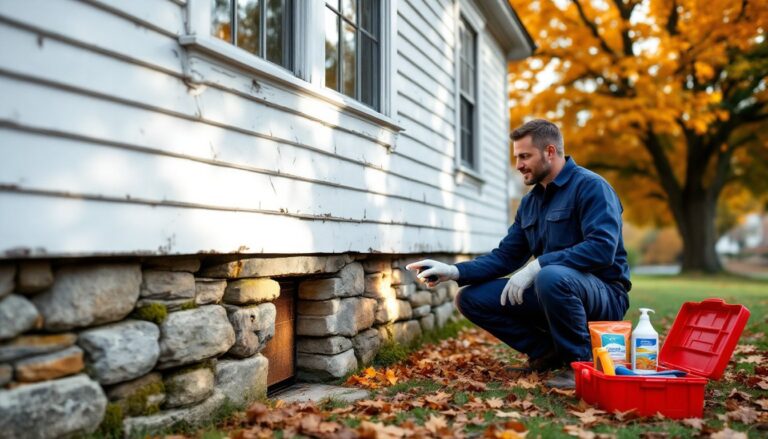
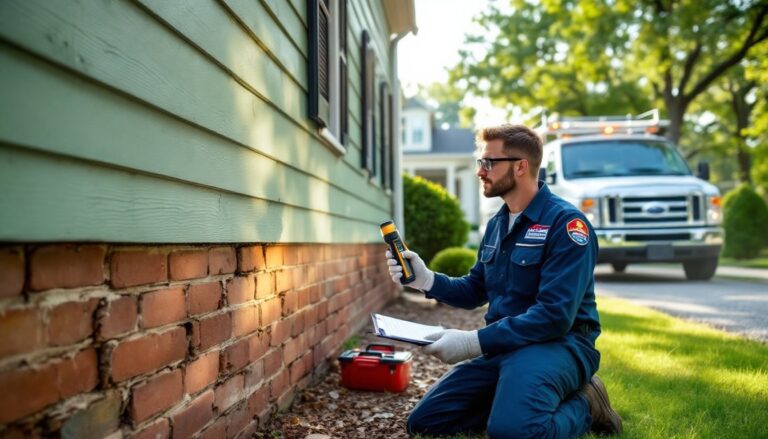
1. Exterior perimeter inspection: The technician examines the foundation, checking for mud tubes, wood damage, moisture issues, and conducive conditions (mulch piled against siding, poor drainage, wood debris under decks). They’ll inspect all accessible exterior wood including siding, trim, door frames, deck posts, and fence lines within 3 feet of the structure.
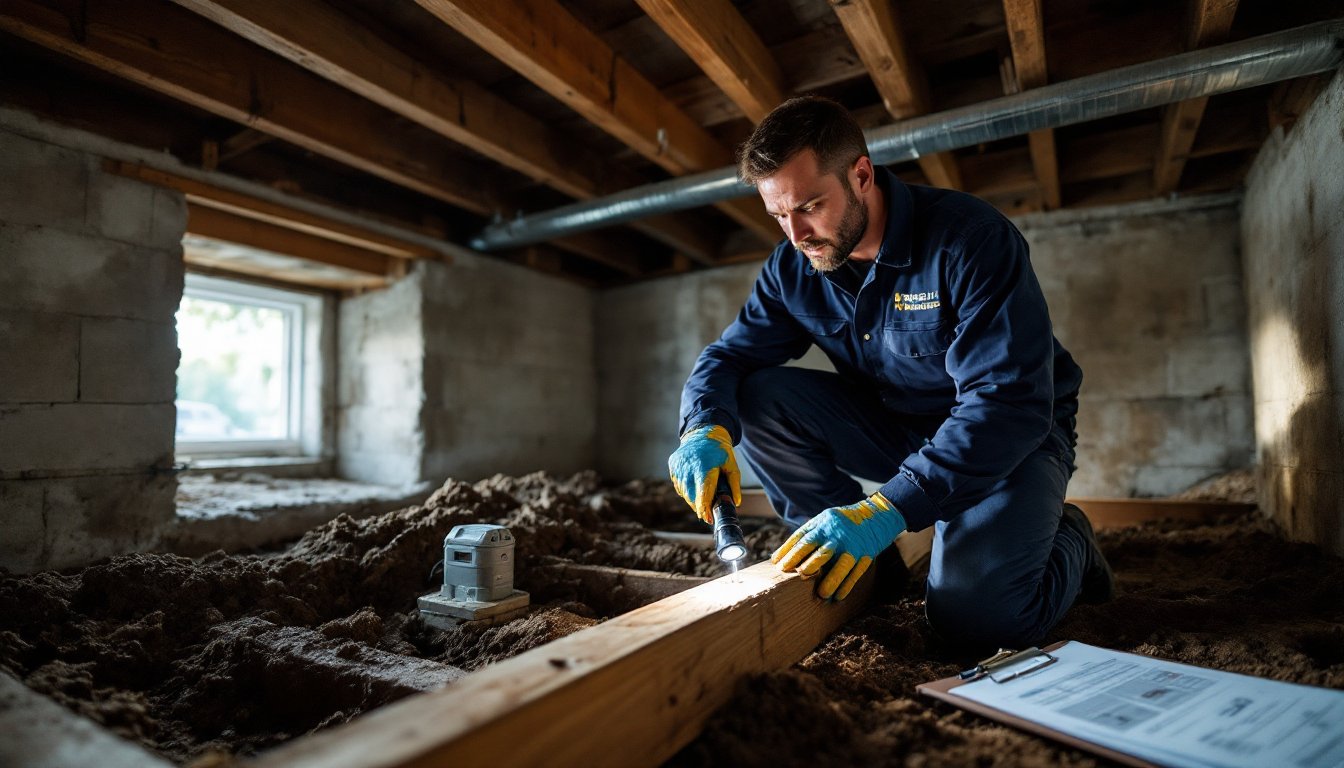
2. Interior structural zones: This includes basements, crawl spaces, attics, and garage areas. The inspector probes exposed wood framing, checks for moisture in rim joists and sill plates, and looks for pest activity in wall voids or under insulation. Crawl space inspection is critical, this is where most subterranean termite infestations begin. Many homeowners overlook issues related to moisture control that certified professionals catch, similar to how boric acid treatments target problem areas.
3. Moisture meter readings: Elevated wood moisture content (above 20%) creates ideal termite conditions. Inspectors use pin-type or pinless moisture meters to identify problem areas even when visible water damage isn’t present.
4. Documentation and reporting: Certified inspectors provide a written report detailing findings, treatment recommendations, and cost estimates. For real estate transactions, this becomes the official WDO report that lenders require. Reports should include:
- Specific locations of active infestation or damage
- Photos of evidence
- Treatment options with chemical products specified
- Estimated costs (which often range from $500-$3,000 depending on infestation severity and home size)
- Conducive conditions that need correction (grading issues, plumbing leaks, ventilation problems)
Safety note: Inspectors should wear proper PPE including gloves, dust masks, and knee protection for crawl space work. If they’re skipping protective gear in your crawl space, that’s a red flag about their overall professionalism.
According to Angi, professional pest inspections can reveal hidden issues that homeowners miss in routine maintenance, potentially saving thousands in future repairs.
Reputable companies won’t pressure you into immediate treatment. They’ll explain findings, answer questions, and give you time to review options. Be wary of high-pressure tactics or same-day discount offers, those are signs of operators more interested in quick sales than proper service.
Choosing the Right Certified Pest Control Company
Not all certified companies deliver the same quality. Here’s how to separate solid operators from mediocre ones:
Verify credentials first: Ask for the company’s state license number and look it up through your state’s pesticide regulatory agency (usually housed within the Department of Agriculture). Confirm it’s current, check for any violations or complaints, and verify they carry the required insurance minimums. This takes 5 minutes and eliminates unlicensed operators immediately.
Ask about treatment methods: A good company explains their approach clearly. For subterranean termites, common methods include:
- Liquid soil treatments using termiticides like fipronil or imidacloprid (lasts 5-10 years, requires trenching and drilling)
- Bait station systems like Sentricon or Advance (ongoing monitoring, more environmentally sensitive, requires annual inspections)
- Wood treatments with borate-based products for accessible structural members
For drywood termites:
- Spot treatments with foam or dust formulations
- Heat treatment raising infested areas to 120-140°F for several hours
- Whole-structure fumigation using sulfuryl fluoride under tarps (requires vacating for 24-72 hours)
They should match the method to your specific pest, home construction, and infestation extent. One-size-fits-all quotes without inspection are worthless.
Get multiple estimates: Aim for three quotes from different certified companies. Compare not just price but also treatment scope, warranty terms, and follow-up inspection schedules. A comprehensive liquid treatment for a 2,000-square-foot home typically runs $1,200-$2,500. Be suspicious of quotes significantly below market rate, proper application requires specific product volumes and labor time.
Check warranty details: Reputable companies offer 1-5 year warranties with annual inspections included. Read the fine print. Some warranties only cover retreatment costs, not structural repair. Others become void if you skip annual inspections or make certain home modifications without notifying the company.
Review complaints and references: Check Better Business Bureau ratings, state licensing board complaint records, and online reviews. Resources like Today’s Homeowner provide guidance on evaluating contractor credentials and avoiding common service provider pitfalls. Ask for references from jobs completed 2-3 years ago, that’s when treatment effectiveness becomes clear.
Look for IPM commitment: Companies serious about long-term pest management focus on reducing conducive conditions, not just chemical application. They should recommend fixing moisture problems, improving ventilation, correcting grading issues, and removing wood-to-soil contact. Those corrections often matter more than the pesticide itself.
Consider local expertise: National chains have resources, but local companies often have better knowledge of regional pests and construction types. Formosan termites in Louisiana require different strategies than drywood termites in Southern California or subterranean termites in the Pacific Northwest.
Red flags to avoid:
- Refusing to provide license numbers or insurance certificates
- Pressure to sign contracts during initial inspection
- Vague treatment descriptions or reluctance to specify products
- No written warranty or unclear warranty terms
- Unusually low bids without explanation
- Claims that treatment is “100% guaranteed” (no pest control is absolute)
Trust your instincts. If something feels off during the consultation, keep looking. A certified company should make you feel confident about their expertise, not anxious about hidden costs or aggressive sales tactics.
Conclusion
Structural pests aren’t a DIY project. Certification ensures the person treating your home has the training, legal accountability, and access to professional-grade products necessary to eliminate infestations and prevent recurring damage. When you’re vetting companies, prioritize credentials over price, understand the treatment methods they’re proposing, and don’t skip the follow-up inspections. Your home’s framing is too important to leave in the hands of shortcuts.