Chesapeake’s humid subtropical climate creates perfect conditions for pests, mosquitoes, termites, rodents, and roaches thrive in the region’s warm, damp environment. Homeowners here aren’t just dealing with occasional nuisances: they’re up against critters that can damage structures, spread disease, and multiply fast. Whether you’re spotting droppings in the attic or hearing scratching in the walls, understanding what you’re dealing with and when to act makes the difference between a quick fix and a costly infestation. This guide covers identification, professional versus DIY approaches, prevention strategies, and what pest control actually costs in Chesapeake.
Table of Contents
ToggleKey Takeaways
- Chesapeake’s humid subtropical climate makes the region a hotspot for termites, mosquitoes, rodents, and roaches—early identification and swift action prevent costly structural damage and disease spread.
- Call a professional for termites, bed bugs, large rodent infestations, and structural pests like carpenter ants, while DIY solutions work for minor ant trails, single mice, and outdoor mosquito reduction through exclusion.
- Verify that your Chesapeake pest control service holds a Virginia Department of Agriculture and Consumer Services (VDACS) license, practices Integrated Pest Management (IPM), and provides written contracts with guarantees.
- Seal foundation cracks, install door sweeps, manage moisture to 30–50% humidity, and eliminate food sources to create a pest-resistant home without relying on chemicals alone.
- Chesapeake pest control costs range from $150–$300 for one-time treatments to $1,200–$3,000 for termite barriers, with quarterly plans averaging $400–$600 annually—always get three quotes before hiring.
- Perform seasonal inspections—check for termite swarmers in spring, rodent entry points in fall, and maintain year-round exclusion measures like trimmed vegetation and sealed utility penetrations.
Common Pests in Chesapeake and How to Identify Them
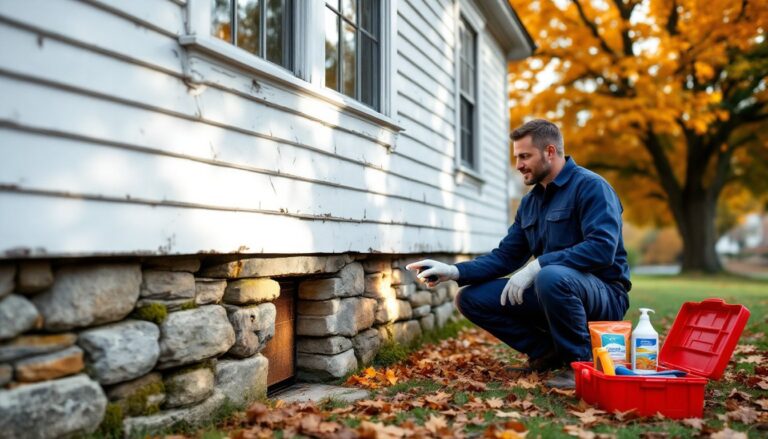
Termites are public enemy number one for Chesapeake homes. Eastern subterranean termites build mud tubes, pencil-width tunnels running from soil to wood, along foundation walls. Look for discarded wings near windows in spring, when swarmers search for new nesting sites. Tap wooden baseboards: if they sound hollow, you might have damage.
German cockroaches love kitchens and bathrooms. They’re tan with two dark stripes behind the head, about half an inch long. You’ll spot them at night when you flip on lights, they scatter fast. Check under sinks, behind appliances, and in cabinet corners for droppings that look like ground pepper.
Rats and mice leave grease marks along walls where they travel, plus rice-sized (mice) or half-inch (rats) droppings. Listen for scratching in walls or attics between dusk and dawn. Norway rats burrow near foundations: roof rats nest in attics and trees.
Mosquitoes breed in standing water, gutters, birdbaths, tarps, even bottle caps. Aedes albopictus (Asian tiger mosquito) is aggressive here, biting day and night. Look for black-and-white striped legs.
Ants range from nuisance (odorous house ants) to structural threat (carpenter ants). Carpenter ants are large, black, and leave sawdust piles beneath wood they excavate for nests. They don’t eat wood like termites, but they hollow it out.
Bed bugs hide in mattress seams, headboards, and electrical outlets. Adults are apple-seed-sized, reddish-brown, and leave rust-colored fecal spots on bedding. Bites appear in lines or clusters, often on arms and shoulders.
When to Call a Professional vs. DIY Pest Control Solutions
Call a pro immediately for:
- Termites. DIY treatments don’t reach colonies or provide the monitoring a certified pest control service offers. Termite damage isn’t covered by homeowner’s insurance, so prevention and early detection matter.
- Bed bugs. Over-the-counter sprays push them deeper into walls. Heat treatments and targeted insecticides require commercial equipment.
- Large rodent infestations. If you’re catching more than two mice per week, or you see rats in daylight, the population’s too big for traps alone.
- Structural pests. Carpenter ants and powder post beetles require identifying and treating nests inside walls or joists.
- Stinging insects near entry points. Yellowjacket nests in wall voids or ground burrows are dangerous to remove without protective gear and proper insecticide application.
DIY works for:
- Minor ant trails. Bait stations with borax or fipronil (like Terro or Advion) kill colonies over 1-2 weeks. Place them along trails, not where you spray, spray kills scouts before they share bait.
- Single mice or preventative trapping. Snap traps baited with peanut butter work. Set them perpendicular to walls, trigger side facing the baseboard.
- Outdoor mosquito reduction. Dump standing water weekly. Bacillus thuringiensis israelensis (BTI) dunks in rain barrels kill larvae without harming wildlife.
- Exclusion and sealing. Caulk cracks, install door sweeps, screen vents. Most pests enter through gaps smaller than a dime.
Safety note: Wear nitrile gloves and an N95 mask when cleaning rodent droppings, hantavirus is rare but serious. Spray the area with disinfectant before sweeping to avoid aerosolizing particles.
Choosing the Right Pest Control Service in Chesapeake
Start with licensing and insurance. Virginia requires pest control businesses to hold a Virginia Department of Agriculture and Consumer Services (VDACS) license. Technicians must pass certification exams. Ask for proof, it’s public record.
Check specialty areas. Some companies focus on termites, others on general pest management. If you’ve got a specific problem, find someone who treats it regularly. Termite specialists often use liquid treatments (Termidor, Taurus) or bait systems (Sentricon, Advance) and should offer warranty terms.
Look for Integrated Pest Management (IPM) practices. IPM emphasizes inspection, exclusion, and targeted treatments over blanket spraying. Companies that seal entry points, remove harborage, and monitor results tend to deliver longer-lasting control.
Read reviews and complaints. The Better Business Bureau and platforms like Angi list customer feedback and resolution records. Watch for patterns, late arrivals are annoying, but repeated treatment failures or high-pressure sales are red flags.
Ask about contracts and guarantees. Some services require annual agreements with quarterly visits: others charge per treatment. Termite contracts often include annual inspections and retreatment clauses if activity returns. Get everything in writing.
What to Expect During a Professional Pest Inspection
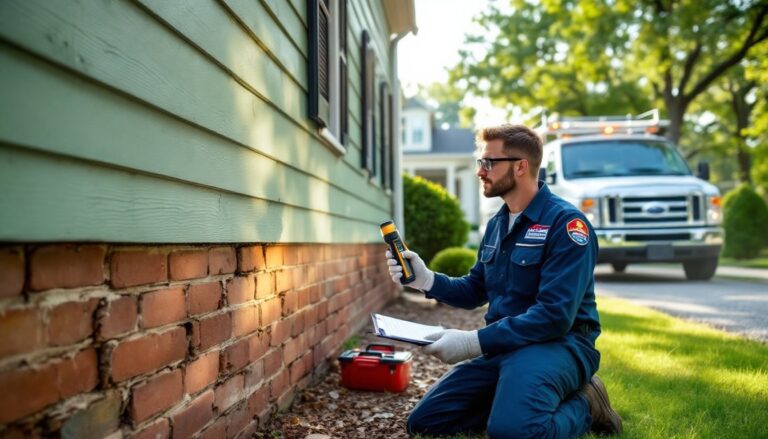
A thorough inspection takes 30–90 minutes, depending on property size and pest type. The technician will check:
- Exterior perimeter: Foundation cracks, weep holes, utility penetrations, mulch depth (keep it under 2 inches near siding), tree branches touching the roof.
- Interior spaces: Attic insulation and vents, crawl space moisture and wood contact with soil, plumbing penetrations under sinks, electrical outlets (bed bugs), and basement corners.
- Termite-specific signs: Mud tubes on foundation walls, wood-to-soil contact (deck posts, stored lumber), moisture damage in bathrooms or near HVAC units.
The inspector should provide a written report with identified pests, conducive conditions, treatment recommendations, and cost estimates. For termites, they’ll mark mud tube locations with flags or chalk and note whether damage is active. Virginia’s Wood Destroying Insect Inspection Report (Form VDACS 90-22) is required for real estate transactions.
Reputable companies won’t push immediate treatment. They’ll explain options, timelines, and let you compare quotes.
Preventative Measures to Keep Your Chesapeake Home Pest-Free
Seal the envelope. Walk the perimeter with a caulk gun and can of expanding foam. Close gaps around:
- Utility lines (cable, gas, water)
- Dryer and exhaust vents (add 1/4-inch hardware cloth)
- Foundation cracks wider than 1/8 inch
- Window and door frames (replace worn weatherstripping)
Install door sweeps on exterior doors, if you can see daylight underneath, pests see an entrance.
Manage moisture. Chesapeake’s humidity feeds mold, termites, and roaches. Fix leaky faucets, insulate cold water pipes to prevent condensation, and run a dehumidifier in basements or crawl spaces (aim for 30–50% relative humidity). Divert downspouts at least 6 feet from the foundation.
Eliminate food sources. Store pantry goods in sealed containers (not the original cardboard, roaches eat through it). Clean under appliances quarterly: crumbs and grease attract scouts. Take trash out nightly and keep bins away from the house.
Trim vegetation. Cut tree branches back 8–10 feet from the roof, rats and squirrels use them as bridges. Keep shrubs 12 inches from siding for airflow. Remove leaf litter and mulch piles near the foundation: they’re termite magnets.
Inspect regularly. Every season, check attic insulation for rodent tunnels, crawl spaces for moisture or wood damage, and foundation walls for mud tubes. Catching termites early saves thousands. Homeowners with effective pest management strategies typically perform quarterly self-inspections.
Seasonal Pest Control Tips for Chesapeake Homeowners
Spring (March–May): Termite swarmers emerge when soil hits 70°F. Inspect for discarded wings near windows and doors. Mosquitoes start breeding: dump standing water weekly. Ants scout for food, keep counters clean and set baits early.
Summer (June–August): Peak mosquito and tick season. Treat lawns with permethrin if kids or pets use the yard (follow label rates, more isn’t better). Check attics for wasp or hornet nests under eaves. Roaches are most active: inspect kitchens at night with a flashlight.
Fall (September–November): Rodents seek indoor shelter as temps drop. Set traps in attics, garages, and basements before Thanksgiving. Seal gaps around pipes and vents. Stink bugs cluster on sunny siding, vacuum them, don’t crush (they reek). Box elder bugs swarm: caulk window frames.
Winter (December–February): Rodent activity continues indoors. Check traps weekly. Carpenter ants nest in damp wood year-round: look for sawdust piles near heating vents or leaks. Termites stay active underground even when surface soil freezes, colony activity doesn’t stop.
Year-round: Replace outdoor lights with yellow “bug bulbs”, they attract fewer flying insects. Store firewood 20 feet from the house on racks at least 6 inches off the ground. Many rodent control approaches emphasize exclusion over trapping alone.
Cost of Pest Control Services in Chesapeake
One-time treatments for general pests (ants, roaches, spiders) run $150–$300 for an average 2,000-square-foot home. Expect higher fees for severe infestations or larger properties.
Quarterly service plans cost $100–$150 per visit ($400–$600 annually). These include interior and exterior treatments, web removal, and warranty coverage between visits. Some companies bundle termite monitoring at a discount.
Termite treatments vary by method:
- Liquid barrier treatments: $1,200–$2,500 for perimeter trenching and injection. Requires drilling through slabs or treating crawl spaces. Warranty typically 5–10 years with annual inspections.
- Bait systems: $1,500–$3,000 for installation, then $300–$500 annually for monitoring and bait replenishment. Slower-acting but less invasive.
Rodent control starts at $200–$400 for inspection, trapping, and exclusion of minor infestations. Large-scale jobs with attic cleanup and insulation replacement can hit $2,000+.
Bed bug treatments range from $500 (single room, chemical treatment) to $2,000+ (whole-house heat treatment). Multiple visits are often needed.
Mosquito treatments: Seasonal fogging or barrier sprays run $75–$150 per application: most homeowners schedule monthly May–September.
Pricing depends on property size, infestation severity, treatment method, and access difficulty (crawl space height, attic insulation depth). According to HomeAdvisor, regional labor rates and material costs shift with market conditions, get three quotes. Ask whether the estimate includes follow-up visits or just the initial treatment.