Ladybugs are garden heroes, until they decide your attic is the perfect winter retreat. Every fall, thousands of homeowners discover swarms of these spotted beetles clustering around windows, ceiling fixtures, and wall voids. What starts as a curious handful can quickly become hundreds or thousands of Asian lady beetles overwintering inside your home. Unlike their beneficial cousins munching aphids outside, indoor ladybugs leave stains, emit foul odors when disturbed, and bite occasionally. This guide covers identification, natural and chemical removal methods, preventative sealing techniques, and when professional help makes sense.
Table of Contents
ToggleKey Takeaways
- Asian lady beetles seek winter shelter indoors in fall, making pest control and sealing entry points critical between late August and mid-September before infestations begin.
- Identify Asian lady beetles by their black M- or W-shaped marking behind the head, and watch for clustering on sunny walls, yellow staining, and musty odors that signal infestation.
- Natural removal methods like vacuuming, soap traps, and essential oil deterrents work well for small to moderate ladybug pest control problems without toxicity concerns.
- Apply pyrethroid-based insecticides to south- and west-facing exterior walls in late August through mid-September for the most effective chemical ladybug pest control, with timing being critical before beetles enter.
- Seal exterior gaps of 3 mm or larger around windows, soffits, vents, and utility penetrations using caulk, foam, and mesh screening to prevent future infestations.
- Call professional pest control services when infestations exceed several hundred daily beetles, require wall void treatments, or involve multi-story access that poses safety risks.
Why Ladybugs Become Household Pests
Most indoor ladybug <a href="https://thewarehousederry.com/dc-pest-control/”>problems stem from Asian lady beetles (Harmonia axyridis), not native species. These imported beetles were introduced in the 1980s for agricultural pest control but quickly adapted to overwintering in buildings, a behavior native ladybugs rarely exhibit.
As outdoor temperatures drop in late September through November, Asian lady beetles seek protected spaces to survive winter dormancy. South- and west-facing exterior walls warmed by afternoon sun attract massive aggregations. The beetles detect structural gaps, soffits, window frames, siding seams, roof vents, and funnel inside by the hundreds. Once a few scouts find entry, they release aggregation pheromones that signal others to follow.
Inside wall voids, attics, and false ceilings, beetles cluster in dense masses. Warm spells or furnace heat can trick them into emerging mid-winter, sending confused beetles into living spaces. They don’t reproduce indoors, eat stored food, or damage wood, but their sheer numbers and defensive secretions (a yellow, foul-smelling hemolymph) create nuisance problems. Some individuals also bite when handled, though they can’t break skin deeply.
Identifying a Ladybug Infestation in Your Home
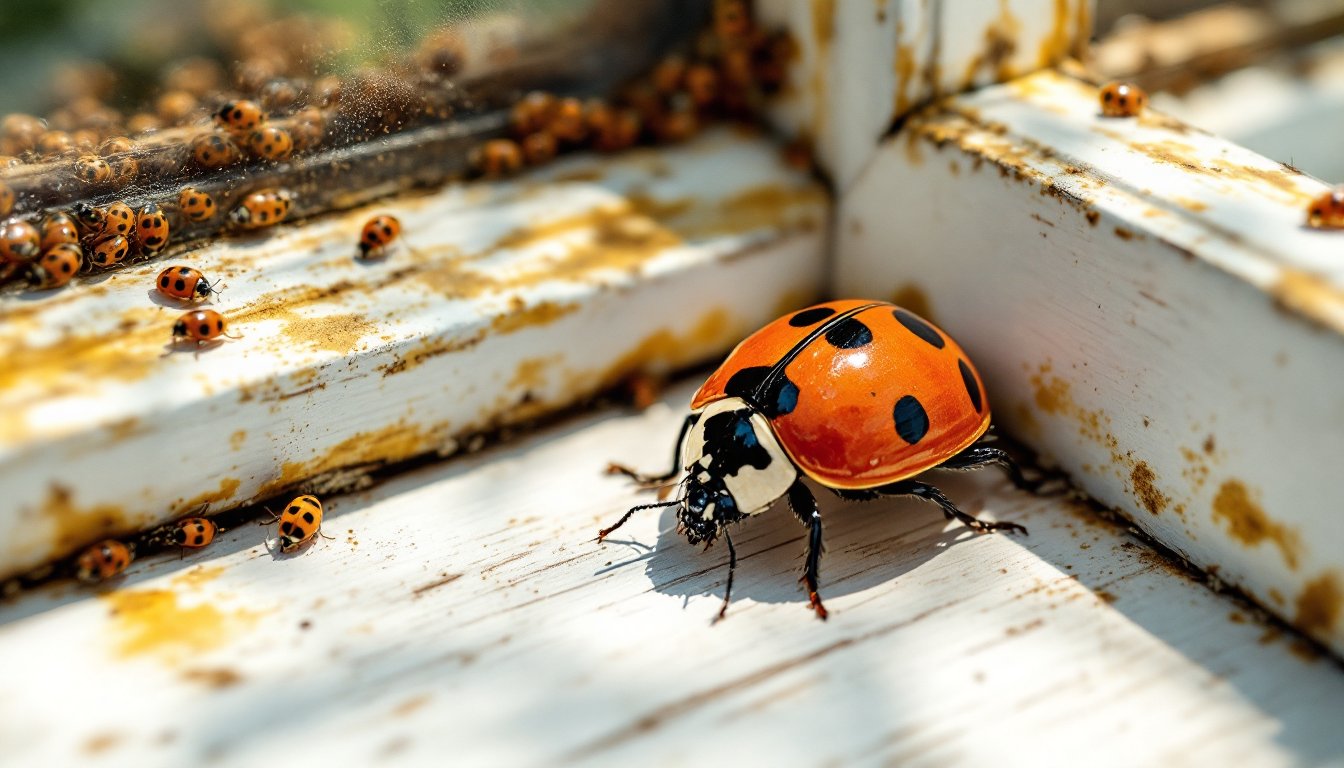
Asian lady beetles measure 5–8 mm long and range from pale orange to deep red, with zero to nineteen black spots. The key identifier: a black M- or W-shaped marking behind the head on the white pronotum (the shield-like plate between head and wing covers). Native ladybugs lack this marking.
Typical signs of infestation include:
- Clustering on sunny walls and windows in fall, often hundreds at a time
- Live beetles appearing indoors during warm winter days or early spring
- Yellow staining on curtains, walls, or window sills from defensive secretions
- Musty, acrid odor in rooms where beetles congregate
- Dead beetle shells accumulating in light fixtures, windowsills, and corners
Check south- and west-facing exterior walls on warm fall afternoons, you’ll see beetles landing and crawling into crevices. Inside, inspect attic spaces, ceiling light fixtures, and around window casings in upper floors. Large infestations may produce audible rustling in wall voids when disturbed.
Natural Methods to Remove and Repel Ladybugs
For small to moderate beetle activity, non-chemical approaches work well and avoid toxicity concerns.
Vacuuming and Physical Removal
Shop vacuums with disposable bags are most effective. Use a nozzle attachment to collect beetles from walls, ceilings, and window frames. Work slowly, rapid suction can crush beetles and release odor. Dispose of vacuum bags immediately in sealed outdoor trash to prevent beetle escape or odor infiltration.
For live beetles on windows, slide a piece of cardboard beneath them and dump outside at least 20 feet from the house, they’ll attempt to return if released nearby. Wear nitrile gloves: handling beetles bare-handed can trigger biting and staining.
Soap and Water Traps
Fill shallow dishes with water and a few drops of dish soap (breaks water surface tension). Place traps beneath windows or lights where beetles cluster. They’ll fall in and drown overnight. Replace daily during peak activity.
Light Traps
Beetles attracted to light fixtures can be redirected. Place a bright LED shop light in a dark garage or basement room with one exit door. At dusk, beetles will migrate toward the light. Vacuum or sweep them up before dawn. This method works best on warm fall evenings when beetles are mobile.
Essential Oil Deterrents
Beetles dislike strong scents. Mix 20 drops of peppermint, clove, or citrus oil with 2 cups water and 1 teaspoon dish soap in a spray bottle. Mist around window frames, door thresholds, and attic vents monthly. This won’t kill beetles but discourages landing. Reapply after rain. Some professionals recommend using boric acid pest control as a longer-lasting barrier treatment in attics and crawl spaces, though it’s less effective on mobile beetles than on crawling insects.
Chemical Solutions for Severe Ladybug Problems
When natural methods can’t keep pace with heavy infestations, particularly during fall invasions, targeted pesticide applications may be necessary. Always follow label directions and wear appropriate PPE: nitrile gloves, safety goggles, and an N95 respirator for aerosol or dust formulations.
Exterior Perimeter Treatments
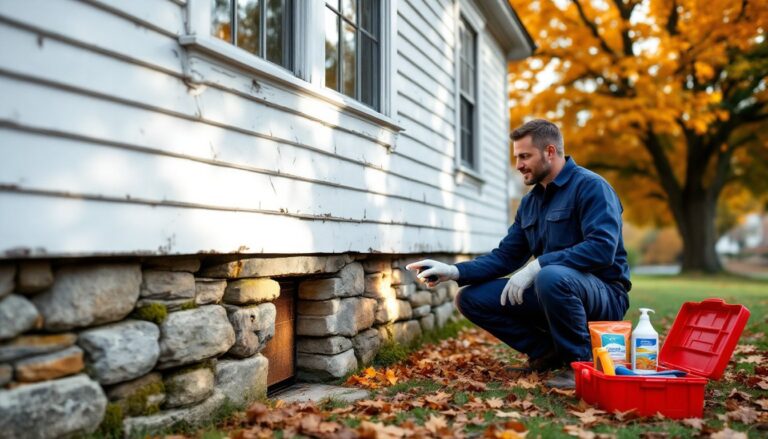
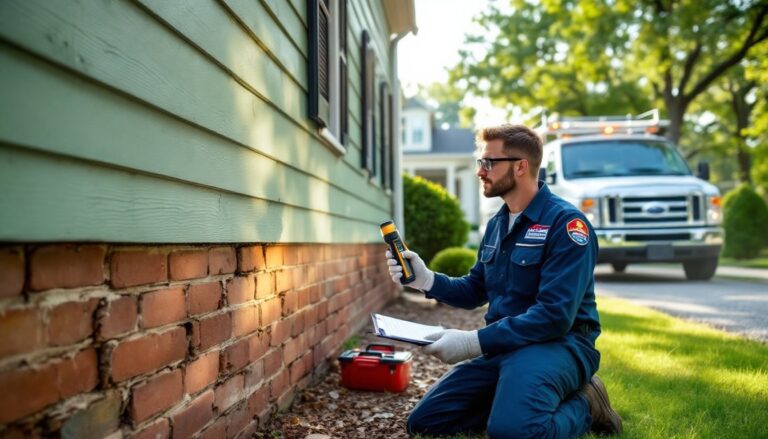
The most effective chemical strategy targets beetles before they enter. In late August through mid-September, apply pyrethroid-based insecticides (permethrin, cyfluthrin, or bifenthrin) to south- and west-facing exterior walls, soffits, eaves, window frames, and door surrounds. Use a pump sprayer to apply a continuous barrier from ground level to roof line, focusing on cracks and gaps.
These treatments remain effective for 2–4 weeks depending on weather. A second application in mid-October covers late-season arrivals. According to experts at The Spruce, timing is critical, spraying after beetles have already entered accomplishes little.
Interior Crack and Crevice Applications
For beetles emerging from wall voids mid-winter, use deltamethrin dust or diatomaceous earth (food-grade) applied with a hand duster into electrical outlet gaps (with power off), baseboards, and attic access points. Dust formulations have long residual activity and low odor. Never apply dusts to open living spaces, restrict use to voids and concealed areas only.
Aerosol insecticides with crack-and-crevice tips (containing pyrethrins or tetramethrin) provide quick knockdown when beetles emerge around windows. Spray directly into gaps, not onto open surfaces where occupants contact them.
Safety and Legal Considerations
Many jurisdictions regulate pesticide use near water sources or on multi-family dwellings. Check local regulations before treating. Never apply interior pesticides to surfaces where food is prepared. Keep children and pets away from treated areas until surfaces dry completely, typically 2–4 hours. Store pesticides in original containers in locked cabinets, away from heat sources.
Sealing Entry Points to Prevent Future Infestations
Exclusion work, physically blocking beetle access, provides the longest-term control. Target exterior gaps 3 mm or larger: beetles can compress their bodies to fit surprisingly tight spaces.
Priority Sealing Locations
Windows and doors: Remove old, cracked caulk around frames. Apply paintable acrylic-latex caulk or polyurethane sealant in continuous beads. Replace worn door sweeps and weatherstripping, ensuring no gaps at bottom corners.
Soffits and fascia: Inspect where roof meets walls. Fill gaps with expanding foam sealant (closed-cell polyurethane) or stuff with copper mesh before caulking. Beetles commonly enter through soffit vents: install 1/8-inch aluminum screening behind vent slots, secured with stainless screws and exterior adhesive.
Utility penetrations: Seal around electrical conduit, hose bibs, dryer vents, and cable entries with silicone caulk or foam. Check where siding meets foundation, fill gaps with backer rod and sealant.
Attic vents and chimneys: Cover gable vents and ridge vents with fine mesh screening. Cap chimneys with spark arrestor screens (required by fire codes in many areas anyway). Inspect roof flashing for gaps around plumbing stacks and skylights.
Materials and Tools
Keep these on hand:
- Caulk gun and assorted sealants (acrylic, silicone, polyurethane)
- Expanding foam (minimal-expansion formula for tight spaces)
- Copper or stainless mesh (won’t rust or corrode)
- 1/8-inch aluminum screening and tin snips
- Utility knife for trimming foam
- Putty knife for removing old caulk
Work from a stable ladder with a helper for heights above 8 feet. Fall protection isn’t overkill, invest in a roof anchor harness for steep pitches or hire out difficult access points. Professionals using certified pest control services often include exclusion work in comprehensive treatment plans.
When to Call a Professional Pest Control Service
DIY methods handle most ladybug problems, but some situations warrant professional help.
Call a licensed pest control operator when:
- Infestations exceed several hundred beetles appearing daily, overwhelming vacuuming efforts
- Beetles cluster inside wall voids in large numbers, audible when tapping walls, removal requires drilling access holes and applying void treatments
- Multi-story or complex rooflines make DIY exterior treatment unsafe or impractical
- Repeated seasonal infestations even though sealing efforts suggest hidden entry points requiring thermal imaging or borescope inspection
- Allergic reactions occur, some individuals develop respiratory sensitivity to beetle secretions
Professional services offer advantages: commercial-grade pyrethroid formulations with longer residuals, boom sprayers for tall exteriors, and structural knowledge to identify obscure entry points. According to resources at Hunker, many pros use integrated approaches combining pesticide treatment, exclusion, and monitoring.
Expect to pay $200–$500 for initial treatment of a typical single-family home, with $100–$200 for seasonal reapplications. Costs vary by region, structure size, and infestation severity. Some companies offer annual contracts covering multiple pest types. For local options, research providers in your area, pest control in Winston Salem or wherever you’re located, and verify licensing through your state’s pesticide regulatory agency.
Conclusion
Ladybug infestations are manageable with the right timing and methods. Focus prevention efforts in late summer, seal entry points and apply exterior treatments before beetles begin their fall migration. For active infestations, combine vacuuming with targeted chemical applications or natural repellents as severity dictates. Remember that Asian lady beetles don’t damage structures: they’re a seasonal nuisance best controlled through exclusion. Stay ahead of the problem, and you’ll keep these beneficial-outdoors-only beetles where they belong.