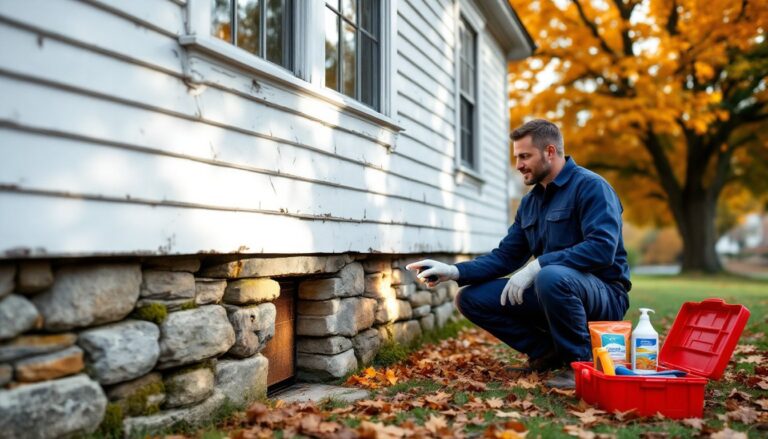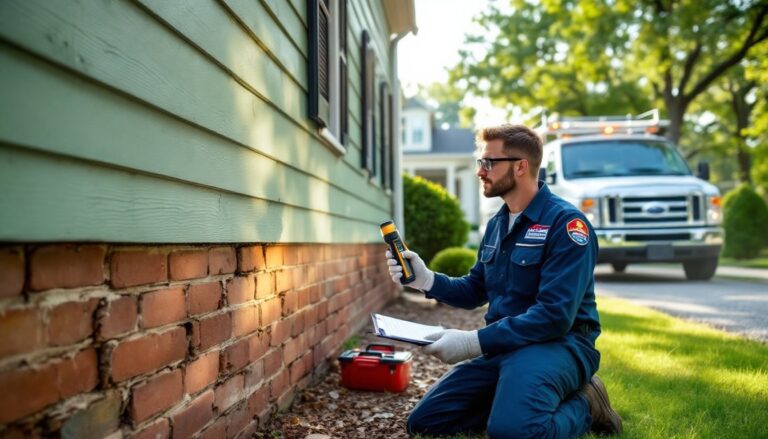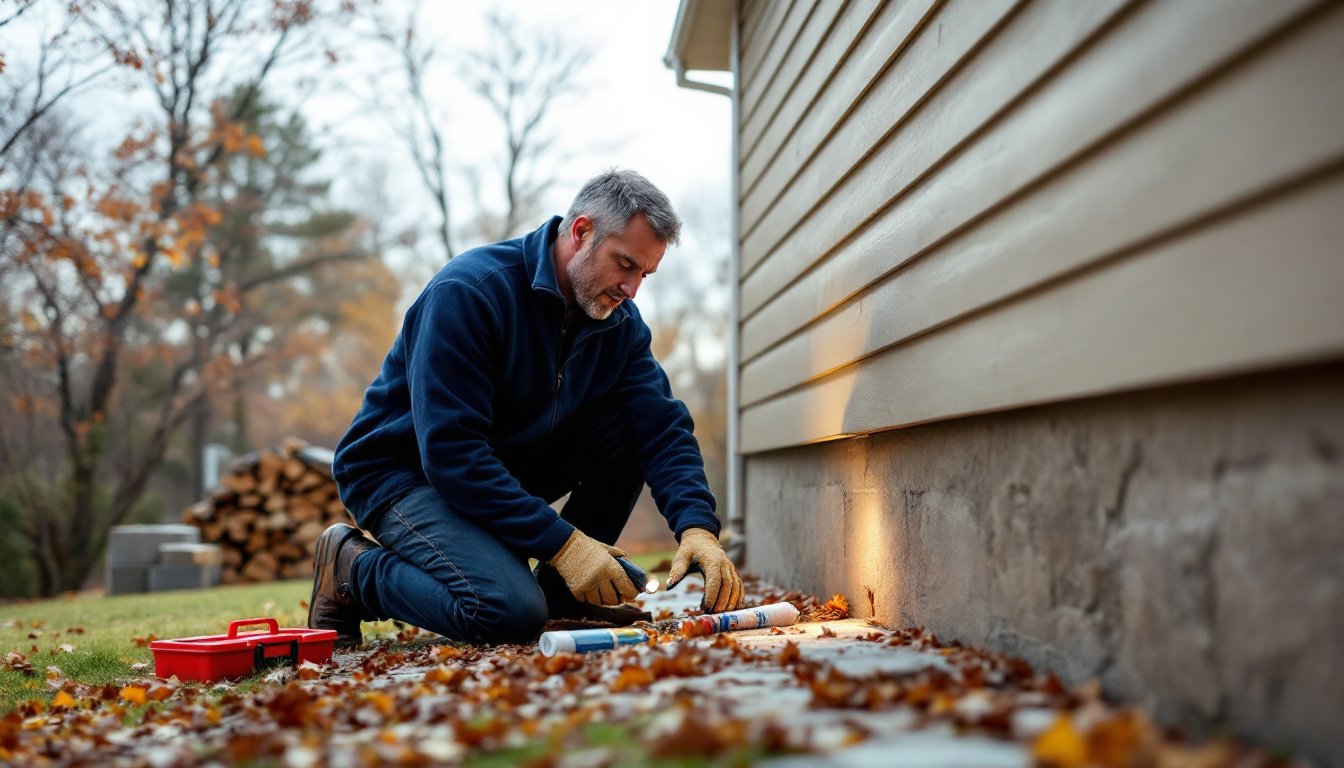
Minnesota’s climate brings distinct challenges for homeowners, brutal winters, humid summers, and plenty of pests looking for shelter. From carpenter ants dismantling deck joists to rodents chewing through attic insulation, pest problems aren’t just a nuisance: they’re a threat to a home’s structure and value. Unlike warmer states where pests remain active year-round, Minnesota homeowners face seasonal invasions that shift with the thermometer. Understanding what to expect, and when, makes the difference between minor prevention work and costly repairs down the line.
Table of Contents
ToggleKey Takeaways
- Minnesota pest control requires seasonal awareness, as carpenter ants, rodents, and boxelder bugs invade homes differently throughout the year depending on temperature and weather cycles.
- Sealing cracks and gaps larger than ¼ inch with copper mesh and exterior-grade caulk is the most effective DIY prevention step to stop pests from entering before fall and winter invasions begin.
- Moisture control is critical because carpenter ants and wood-destroying insects target damp wood softened by freeze-thaw cycles; repair gutters, regrade soil, and maintain proper drainage away from your foundation.
- Professional pest control services are necessary for carpenter ant colonies in structural members, recurring rodent infestations, and bed bugs, which resist DIY treatments and require specialized equipment or certifications.
- Year-round monitoring of crawlspaces, attics, and structural wood—combined with proper ventilation and the use of pressure-treated lumber for ground-contact applications—prevents costly damage to your home’s frame.
Common Pests in Minnesota Homes and How to Identify Them
Boxelder bugs cluster on south-facing siding in fall, seeking warmth before temperatures drop. They’re harmless but show up by the hundreds, leaving reddish-brown stains on walls if crushed. Look for black bodies with red or orange markings along wing edges.
Carpenter ants don’t eat wood, they excavate it. Check window sills, door frames, and any wood touching soil for frass (sawdust-like debris) and rustling sounds inside walls. Unlike termites, carpenter ants have pinched waists and bent antennae. Their galleries weaken structural members over time.
Mice and rats leave droppings the size of rice grains (mice) or raisins (rats) near food sources, along baseboards, and in attic corners. Gnaw marks on wiring, cardboard, and plastic are telltale signs. They’ll squeeze through gaps as small as ¼ inch.
Spiders serve as pest <a href="https://thewarehousederry.com/category/pest-control/”>control themselves, feeding on insects. Most Minnesota species, like cellar spiders and wolf spiders, are harmless. Brown recluse sightings are rare this far north even though common misconceptions.
Cluster flies invade attics and wall voids in late fall. Larger and slower than houseflies, they’re sluggish when disturbed. Check around window casings and light fixtures for congregation points.
Seasonal Pest Challenges: What to Expect Throughout the Year
Spring (March–May): As snow melts, ants and spiders emerge from overwintering sites. Carpenter ants establish new colonies in damp wood softened by freeze-thaw cycles. Homeowners using professional services often schedule inspections during this window to catch activity early.
Summer (June–August): Mosquitoes peak in June and July, especially near standing water. Wasps and hornets build nests under eaves, in soffit vents, and inside wall cavities. Inspect gable vents and ridge caps for entry points. Fleas become active indoors if pets bring them in from tall grass.
Fall (September–November): Boxelder bugs, Asian lady beetles, and cluster flies swarm exterior walls, looking for cracks to overwinter. Mice follow suit, entering through foundation gaps, utility penetrations, and gaps where siding meets the foundation. Seal openings larger than ¼ inch with copper mesh and exterior-grade caulk or foam.
Winter (December–February): Pests already inside remain active in heated spaces. Rodents nest in insulation, and overwintering insects stay dormant in wall voids until spring thaw. This is prime time for sealing exterior gaps and setting traps in basements and attics without competing outdoor food sources.
DIY Pest Prevention Strategies for Minnesota Homeowners
Seal the envelope. Walk the perimeter with a caulk gun and copper mesh. Focus on where utilities enter (electric meter, HVAC lines, dryer vents), foundation sill plates, and around window and door trim. Use expanding foam for gaps wider than ½ inch, but stuff copper mesh inside first, rodents chew through foam alone.
Fix moisture problems. Carpenter ants and other wood-destroying pests need moisture. Repair leaking gutters, regrade soil sloping toward the foundation, and add downspout extensions to dump water at least 6 feet from the house. Replace rotted fascia boards and any wood-to-soil contact around deck posts.
Trim vegetation. Keep shrubs at least 18 inches from siding and trim tree branches within 6 feet of the roof. Pests use branches as highways. Mulch beds should sit 3–4 inches below siding to avoid creating a moisture trap.
Store firewood properly. Stack it at least 20 feet from the house and 6 inches off the ground on treated lumber or concrete blocks. Bark beetles, carpenter ants, and spiders all hitch rides on firewood. Bring in only what you’ll burn within 24 hours.
Maintain door sweeps and weatherstripping. A gap under an exterior door is an open invitation. Install aluminum or rubber door sweeps on all exterior doors, including those to attached garages. Replace cracked weatherstripping around garage doors annually.
Clean up food sources. Store pantry staples in airtight containers. Empty kitchen trash daily and keep outdoor bins sealed. Pet food left out overnight attracts rodents. For homes with wildlife intrusion risks, securing garbage is a baseline step.
Natural and Chemical Treatment Options for Pest Control
Diatomaceous earth (DE) works mechanically, not chemically. Sprinkle food-grade DE in cracks, behind appliances, and along baseboards where insects travel. It damages their exoskeletons and dehydrates them. Wear a dust mask during application, it’s non-toxic but irritates lungs.
Boric acid is effective against ants and roaches. Mix with powdered sugar (3:1 ratio) and place in shallow caps near trails. Keep it away from kids and pets: it’s toxic if ingested in quantity. Boric acid disrupts insect metabolism over several days.
Essential oil sprays (peppermint, eucalyptus, tea tree) repel some insects but won’t eliminate infestations. They’re better as deterrents in low-risk areas like closets and pantries. Mix 10–15 drops per cup of water in a spray bottle.
Pyrethrin-based insecticides are derived from chrysanthemums and break down quickly in sunlight, making them safer for indoor use than synthetic pyrethroids. They’re effective on contact for ants, spiders, and boxelder bugs. Follow label instructions and ventilate treated areas.
Rodenticides (bait stations) should be tamper-resistant and placed along walls where droppings appear. Use snap traps as a safer alternative indoors, bait with peanut butter, not cheese. According to Good Housekeeping, electronic traps offer a cleaner, more humane option for squeamish homeowners.
Permethrin sprays handle perimeter treatments around foundations, window casings, and door frames. These synthetic pyrethroids last weeks outdoors. Wear gloves and eye protection, and keep pets off treated surfaces until dry. For those exploring certified treatment methods, this is a common professional-grade option.
When to Call a Professional Pest Control Service
Termite or carpenter ant damage in structural members requires professional assessment. If you’re seeing frass inside wall cavities or weakened floor joists, an exterminator can scope the extent with thermal imaging and moisture meters. DIY treatments won’t reach colonies hidden inside framing.
Recurrent rodent infestations suggest entry points you’re missing or a population too large for traps alone. Pros use tracking powder, exclusion work, and commercial-grade snap systems in hard-to-reach zones like crawlspaces and wall chases.
Wasp or hornet nests in active living areas are best left to pros with protective gear and extended-reach sprays. Nests inside soffits or wall voids often require cutting access holes and patching afterward.
Bed bugs spread fast and resist most DIY treatments. Licensed applicators use heat treatments or targeted insecticides that require specific certifications. If you’ve confirmed bed bugs (rusty stains on sheets, shed skins, bites in linear patterns), don’t wait.
Permit or code requirements apply in some jurisdictions for certain treatments, especially fumigation or structural repairs tied to pest damage. Check with your city’s building department before beginning work that affects load-bearing members. Many homeowners comparing cost estimates find that prevention is significantly cheaper than remediation.
Protecting Your Home’s Structure from Pest Damage
Inspect crawlspaces and rim joists annually. Use a flashlight and screwdriver to probe wood near foundation walls. Soft, spongy areas indicate rot or active insect damage. Pay special attention to sill plates (the treated lumber sitting on the foundation) and any wood touching concrete, moisture wicks up and attracts pests.
Ventilate attics and crawlspaces properly. Install soffit vents and ridge vents to maintain airflow and reduce humidity. Moisture-laden air condenses on cold surfaces, creating ideal conditions for mold and wood-boring insects. Aim for 1 square foot of ventilation per 150 square feet of attic floor.
Replace damaged sheathing and framing promptly. Carpenter ants and powder post beetles target compromised wood. Cut out affected sections back to solid material, treat surrounding wood with borate-based preservatives, and sister new framing members alongside damaged joists or studs. This isn’t cosmetic, it’s structural.
Use treated lumber for ground-contact applications. Deck posts, stair stringers, and landscape timbers should be pressure-treated (PT) rated for ground contact. Look for a UC4A or higher rating stamp. Untreated wood in contact with soil fails within years in Minnesota’s climate.
Monitor stored belongings. Cardboard boxes in basements and garages attract silverfish, roaches, and rodents. Switch to plastic storage bins with tight-fitting lids. Elevate bins on wire shelving to keep them off concrete slabs where moisture condenses.
Conclusion
Pest control in Minnesota isn’t a one-and-done task, it’s seasonal maintenance, like cleaning gutters or checking furnace filters. Seal gaps before fall, monitor moisture year-round, and don’t ignore the small signs. Most infestations start as minor intrusions that grow when ignored. Stay ahead of the calendar, and the only thing sharing your home will be the people you invite in.