Choosing the right pest control service isn’t just about getting rid of bugs, it’s about protecting your home’s structure, your family’s health, and your peace of mind. Cooper Pest Control has been operating in the Mid-Atlantic region for decades, offering residential and commercial services across multiple states. But is it the right fit for your specific pest problems? This review breaks down what Cooper brings to the table, from their treatment methods and pricing to how they stack up against DIY alternatives. Whether you’re dealing with termites chewing through floor joists or ants invading the pantry, understanding what a professional service offers, and costs, helps you make an well-informed choice.
Table of Contents
ToggleKey Takeaways
- Cooper Pest Control offers integrated pest management (IPM) services across the Mid-Atlantic with over 125 years of experience, focusing on exclusion and environmental controls alongside chemical treatments.
- Professional pest control services like Cooper are essential for high-risk infestations—termites, bed bugs, and rodent colonies—where DIY treatments risk structural damage, spread, and health hazards.
- Cooper’s pricing ranges from $150–$400 for initial inspections to $1,200–$3,500 for termite treatments and $1,000–$2,500 for bed bug heat remediation, with quarterly plans available at $400–$600 annually.
- Licensed Cooper technicians provide same-day or next-day emergency service and include re-treatment guarantees (typically 30–90 days), offering accountability that DIY solutions cannot match.
- Service coverage is limited to New Jersey, Pennsylvania, Delaware, and Maryland; homeowners outside this region or with budget constraints may need to explore regional competitors or handle minor infestations with cost-effective DIY methods.
- Heat treatments and bait monitoring systems are more effective but costlier than basic spray applications, making them ideal for severe infestations but less necessary for preventive, routine pest control visits.
What Is Cooper Pest Control and What Do They Offer?
Cooper Pest Control is a family-owned pest management company headquartered in Lawrenceville, New Jersey, with a service history spanning over 125 years. They specialize in integrated pest management (IPM), which combines chemical treatments, exclusion techniques, and environmental modifications to address infestations at the source.
Their service lineup covers common residential pests including ants, cockroaches, termites, bed bugs, rodents, mosquitoes, ticks, and stinging insects like wasps and hornets. They also handle wildlife removal (bats, raccoons, squirrels) and offer specialized treatments for wood-destroying organisms that can compromise structural integrity. For homeowners concerned about ongoing protection, Cooper provides year-round pest control plans with quarterly or seasonal visits.
One standout feature is their same-day or next-day emergency service for urgent issues like active wasp nests near entry points or confirmed bed bug sightings. This responsiveness matters when pests threaten safety or disrupt daily living.
Coverage Areas and Service Availability
Cooper operates across New Jersey, Pennsylvania, Delaware, and Maryland, with branch offices strategically located to cover suburban and rural areas. If you’re outside this Mid-Atlantic footprint, you’ll need to look elsewhere, they don’t franchise or offer services beyond these four states.
Service availability can vary by location. Rural properties may have longer lead times for initial inspections, especially during peak season (spring through early fall) when termite swarms and tick populations surge. It’s worth calling ahead to confirm coverage and scheduling windows for your specific zip code.
Cooper Pest Control’s Treatment Methods and Approach
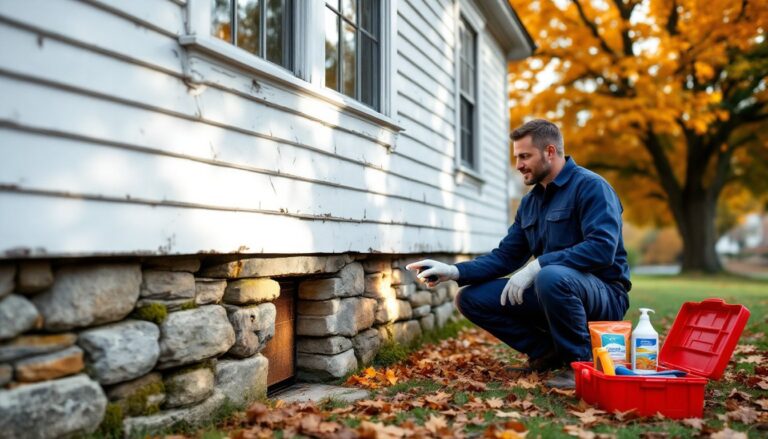
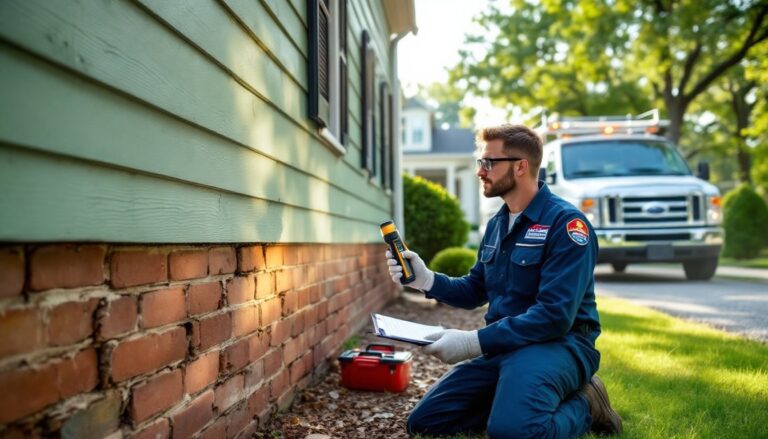
Cooper uses an integrated pest management (IPM) approach, which prioritizes non-chemical solutions before escalating to pesticides. Technicians start with a thorough inspection, checking basements, crawl spaces, attics, and exterior perimeters, to identify entry points, nesting sites, and conditions that attract pests (standing water, unsealed cracks, food sources).
For termites, they offer both liquid barrier treatments (Termidor or similar termiticides applied around the foundation) and bait monitoring systems like Sentricon. Liquid barriers create a chemical perimeter in the soil that termites can’t cross, while bait stations gradually eliminate colonies by targeting workers who carry poison back to the queen. Bait systems are less invasive and ideal for homes with wells or tight crawl spaces where trenching isn’t practical.
Bed bug treatments involve heat remediation or targeted chemical applications. Heat treatments raise room temperatures to 130°F–140°F for several hours, killing all life stages without pesticides. It requires preparation (removing heat-sensitive items like aerosols or wax candles) and can be more expensive, but it’s effective for severe infestations in multi-room scenarios.
For rodents, Cooper focuses on exclusion work, sealing gaps around utility penetrations, foundation vents, and roof soffits with steel wool, copper mesh, or expanding foam rated for pest control. Trapping and bait stations come next, placed in attics, basements, or exterior bait boxes inaccessible to kids and pets. Companies offering certified pest services emphasize exclusion because it addresses the root cause rather than just poisoning individual mice.
Cooper technicians are licensed and receive ongoing training in National Pest Management Association (NPMA) standards and state-specific regulations. They’ll explain treatment plans before starting and provide follow-up schedules to monitor effectiveness.
Pricing Structure: What to Expect for Pest Control Services
Cooper doesn’t publish fixed pricing online, costs depend on home size, infestation severity, pest type, and service frequency. Based on industry averages and customer reports, here’s what to expect:
- Initial inspection and one-time treatment: $150–$400 for common pests like ants or spiders. Bed bugs and termites cost significantly more.
- Quarterly pest control plans: $100–$150 per visit (around $400–$600 annually) for general pest prevention covering ants, spiders, roaches, and seasonal invaders.
- Termite treatments: Liquid barriers run $1,200–$3,500 depending on home perimeter and soil conditions. Bait systems start around $1,500 with annual monitoring fees of $300–$400.
- Bed bug heat treatment: $1,000–$2,500+ for whole-home treatment, depending on square footage and infestation extent.
- Rodent exclusion and control: $300–$800 for initial service including trapping and basic sealing: extensive exclusion work (crawl space repairs, soffit replacement) can exceed $1,500.
Pricing fluctuates by region and material costs. Homeowners planning larger projects can compare estimates using resources like HomeAdvisor to gauge typical ranges for pest control in their area.
Cooper offers free inspections for most services, which gives you a written estimate before committing. Always ask for a breakdown: what’s included in each visit, warranty terms (most treatments come with 30–90 day guarantees), and re-treatment policies if pests return within the coverage window.
Pros and Cons: Is Cooper Pest Control Right for Your Home?
Pros:
- Long-established reputation: Over a century in business with deep regional expertise and familiarity with Mid-Atlantic pest pressures.
- Integrated pest management focus: Emphasizes exclusion and environmental controls, not just chemical spraying.
- Licensed and trained technicians: Staff undergo regular training and certification updates.
- Emergency service availability: Same-day or next-day response for urgent issues.
- Comprehensive offerings: Handles everything from ants to wildlife, so you’re not juggling multiple contractors.
- Guarantees and follow-ups: Most plans include re-treatment if pests return during the warranty period.
Cons:
- Limited geographic coverage: Only serves four states. If you’re outside NJ, PA, DE, or MD, you’ll need a different provider.
- Higher cost than budget competitors: IPM-focused services with exclusion work and heat treatments cost more than basic spray-and-go options.
- No instant online pricing: Requires phone consultation or inspection to get estimates, which can slow the decision process.
- Seasonal scheduling delays: Peak months (April–October) may mean longer wait times for non-emergency appointments.
- Upsell potential: Some customers report pressure to upgrade to annual plans when seeking one-time treatments.
Cooper is a solid choice for homeowners who value thoroughness and long-term prevention over quick fixes. If you’re budget-conscious or dealing with a minor ant trail you can handle yourself, the cost may not be justified. For structural threats like termites in floor joists or rodents nesting in wall cavities, professional intervention, and the warranty that comes with it, often makes financial sense. Platforms like ImproveNet offer contractor comparison tools if you’re weighing multiple bids.
Customer Reviews and Reputation Overview
Cooper Pest Control maintains a generally positive reputation across third-party review platforms and the Better Business Bureau (BBB). Their Angi profile shows consistent ratings in the 4.0–4.5 star range, with customers praising technician professionalism, punctuality, and clear communication.
Common positive themes include:
- Technicians who explain findings in plain language, not jargon.
- Effective termite and bed bug treatments with minimal callbacks.
- Responsive customer service when issues arise or schedules need adjusting.
- Thorough inspections that identify problems homeowners hadn’t noticed (water intrusion in crawl spaces, compromised soffit vents).
Negative feedback typically centers on:
- Pricing concerns: Some customers feel quoted prices are higher than competitors without clear justification.
- Scheduling conflicts: Delays during peak season or missed appointment windows.
- Contract terms: A few reports of difficulty canceling annual plans or confusion over auto-renewal clauses.
- Inconsistent results for certain pests: Occasional complaints about recurring ant or spider issues even though quarterly treatments.
The company responds to most negative reviews, offering to send technicians back for re-treatment or adjusting service plans. That level of follow-through matters, it indicates accountability beyond the initial sale.
Overall, Cooper scores well for reliability and expertise but isn’t immune to the service industry pitfalls (scheduling hiccups, contract fine print). Reading recent reviews specific to your pest type and location helps set realistic expectations.
How Cooper Compares to DIY Pest Control Solutions
DIY pest control works well for minor, isolated problems, a few ants near the back door, a single wasp nest on the eaves, or preventive mouse traps in the garage. But it has clear limits, especially when infestations involve structural risk, health hazards, or hard-to-reach areas.
When DIY makes sense:
- Surface-level infestations: Ant baits like Terro or Raid Max work for small colonies entering through visible cracks.
- Preventive exclusion: Sealing gaps with caulk, installing door sweeps, and screening foundation vents are straightforward weekend projects.
- Routine maintenance: Treating baseboards with boric acid powder or diatomaceous earth prevents roaches and silverfish. Homeowners interested in natural methods often explore boric acid pest control as a low-toxicity option.
- Outdoor mosquito/tick control: Permethrin sprays for yard perimeters and tick tubes for rodent burrows reduce populations without professional help.
When to call a pro like Cooper:
- Termites: DIY termite treatments are risky. Misapplied termiticides can contaminate wells, and bait systems require precise placement and monitoring. Structural damage from missed colonies can run into tens of thousands of dollars. Most jurisdictions require pest control operators to hold specific termite licenses.
- Bed bugs: Over-the-counter sprays rarely reach eggs hidden in mattress seams, baseboards, or electrical outlets. Heat treatments require commercial equipment and monitoring to sustain lethal temperatures. Attempting DIY bed bug control often spreads the infestation to other rooms.
- Rodents in walls or attics: Trapping a single mouse is easy: sealing a home against an established population requires identifying every entry point, often in crawl spaces or behind siding. Rodents can chew through expanding foam and some caulks, copper mesh or 1/4-inch hardware cloth is more effective but harder to install in tight spots.
- Stinging insects near high-traffic areas: Wasp and hornet nests near doors or play areas pose immediate sting risk. Professionals have protective gear and can treat nests at dusk when insects are less active.
- Wildlife: Bats, raccoons, and squirrels require exclusion methods that comply with local wildlife protection laws. Improper removal can lead to animal suffering, legal issues, or re-entry.
Cost comparison: A DIY ant bait station costs $8–$15: a professional quarterly plan runs $400 annually but covers multiple pest types and includes re-treatments. For a one-time roach problem, DIY wins. For ongoing pressure from multiple pests, common in older homes or wooded areas, the professional plan often delivers better value and peace of mind.
Regional providers like Evans Pest Control or pest control in Winston-Salem offer similar service models in other markets, giving homeowners options beyond national chains.
Safety considerations: Always wear nitrile gloves, safety glasses, and a respirator rated for pesticides (N95 or P100) when applying chemical treatments. Read product labels completely, mixing incompatible products or over-applying can create toxic conditions. Store pesticides in locked cabinets away from kids and pets, and dispose of empties according to local hazardous waste guidelines.
DIY pest control empowers homeowners to handle small issues and reduce service costs. But when infestations threaten structural integrity, health, or exceed DIY capabilities, professionals bring equipment, expertise, and warranties that justify the expense. Knowing where that line falls for your specific situation saves time, money, and frustration.