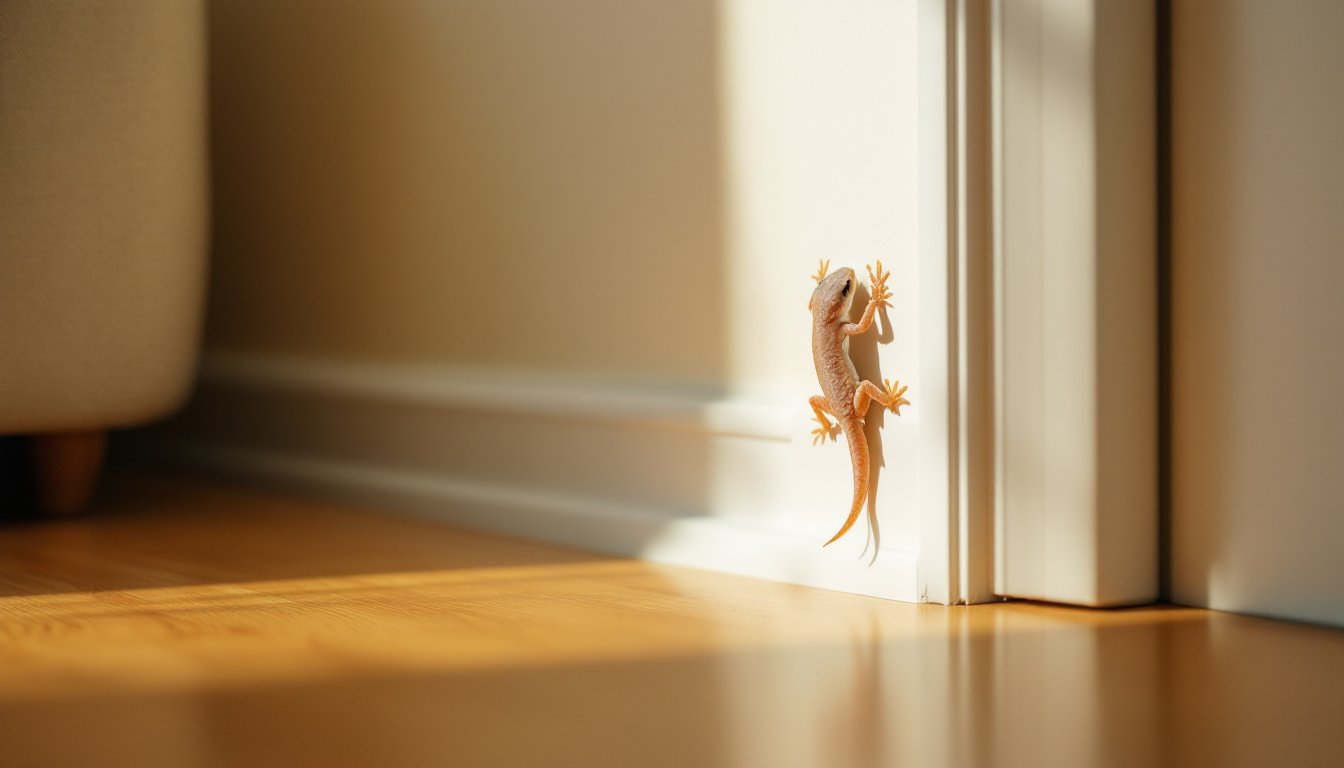
Discovering a lizard scurrying across your living room wall isn’t exactly the wildlife encounter most homeowners dream of. While lizards are harmless and even beneficial outdoors, eating mosquitoes, flies, and other pests, their presence indoors can feel unsettling. They leave droppings, create noise at night, and occasionally die in hard-to-reach places, creating odor issues. The good news? Controlling lizard intrusions doesn’t require harsh chemicals or expensive exterminators in most cases. With the right combination of exclusion tactics, habitat modification, and targeted removal methods, homeowners can reclaim their space without harming these small reptiles.
Table of Contents
ToggleKey Takeaways
- Lizard pest control is most effective through exclusion and sealing entry points like gaps around windows, doors, and utility lines rather than relying on harsh chemicals.
- Eliminate the three main attractions that draw lizards indoors—food sources (insects), water, and shelter—by controlling insects, fixing leaky pipes, and sealing cracks.
- Natural repellents like crushed eggshells, coffee grounds, garlic spray, and cold water offer safe, non-toxic alternatives to chemical solutions when dealing with occasional indoor lizard sightings.
- Humane DIY traps including cardboard box traps, plastic containers, and jar methods allow homeowners to safely capture and relocate lizards without harm.
- Conduct quarterly perimeter inspections and maintain your yard by trimming vegetation away from foundations and eliminating standing water to prevent future lizard infestations.
Why Lizards Enter Your Home
Lizards don’t wander indoors by accident. They’re hunting for three things: food, water, and shelter. Understanding what attracts them is the first step toward effective control.
Most indoor lizards, common house geckos, anoles, and skinks, are drawn to structures with abundant insect populations. If you’ve got moths clustering around porch lights, silverfish in the bathroom, or spiders in the garage, you’ve rolled out the welcome mat. Lizards follow their prey.
Moisture is another major draw. Leaky pipes, standing water in houseplant saucers, or damp basements create ideal conditions. Lizards need hydration, especially in dry climates, and they’ll exploit any water source.
Finally, gaps and cracks provide easy entry. A ¼-inch opening around a window frame, a gap under a door sweep, or an unsealed utility penetration is plenty of space for a juvenile lizard. Older homes with settling foundations or deteriorated weatherstripping are especially vulnerable.
Climate plays a role too. In warmer regions, Southern California, Florida, Texas, Arizona, lizards are more active year-round and more likely to venture indoors seeking cooler or warmer microclimates depending on the season.
Natural Lizard Repellent Methods
Natural repellents work by making your home less appealing without introducing toxins. These methods are safe around kids and pets, though results vary.
Eggshells are a surprisingly effective deterrent. Scatter crushed eggshells near entry points, windowsills, and corners. The smell signals predators to lizards, triggering an avoidance response. Replace them weekly.
Coffee grounds and tobacco also repel lizards. Mix used coffee grounds with a small amount of tobacco (from loose-leaf or cigarette contents) and form small balls. Place them in areas where you’ve spotted lizards. The scent is off-putting but not harmful. Wear gloves when handling tobacco.
Garlic and onion sprays create an inhospitable environment. Blend several cloves of garlic or half an onion with water, strain, and pour into a spray bottle. Apply along baseboards, under appliances, and near windows. Reapply every few days. The odor dissipates for humans but lingers for lizards.
Cold water is a simple, immediate deterrent. Lizards are ectothermic, they rely on external heat. A spray of cold water will send them scurrying without harm. Not a permanent solution, but useful for spot treatment.
For persistent issues in homes with recurring insect problems, some homeowners layer natural repellents with solutions like boric acid treatments to address the root food source that attracts lizards indoors.
Physical Barriers and Home Sealing
Exclusion is the gold standard for long-term lizard control. If they can’t get in, you won’t have a problem.
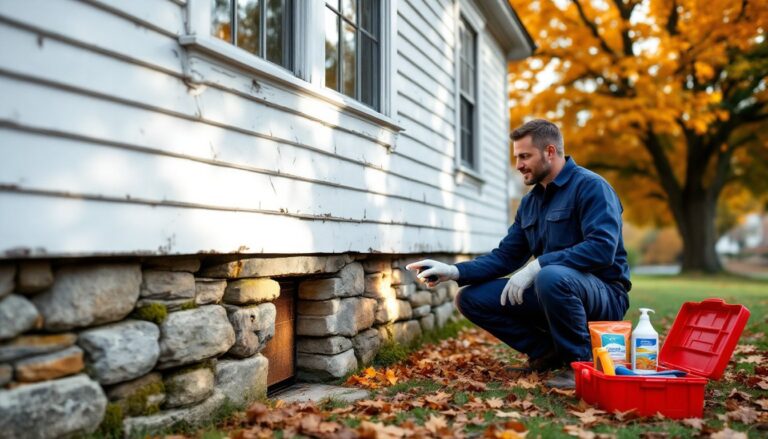
Start with a perimeter inspection. Walk the exterior of your home during daylight with a flashlight and notepad. Look for:
- Gaps around window and door frames
- Cracks in foundation or siding
- Openings around utility lines, cables, and pipes
- Damaged or missing weatherstripping
- Torn window screens
Seal gaps with appropriate materials. For cracks smaller than ½ inch, use silicone caulk or polyurethane sealant, both remain flexible and weather-resistant. For larger gaps (up to 2 inches), expanding foam works well. Trim excess once cured. For gaps around pipes or conduit, use copper mesh or steel wool stuffed into the opening, then seal over with caulk.
Door sweeps are critical. Install a rubber or brush-style sweep on all exterior doors, ensuring contact with the threshold when closed. According to data from home repair resources, most rodent and reptile intrusions happen through gaps under doors exceeding ½ inch.
Window screens should be 18×16 mesh or finer to exclude even juvenile lizards. Inspect for tears or separation from the frame. Replace damaged screens or re-spline loose ones using a spline roller and new rubber spline cord, both available at hardware stores for under $15.
Vent covers for attic vents, crawl space vents, and dryer exhaust should have ¼-inch hardware cloth backing. Many stock covers have openings large enough for lizards.
This level of sealing also improves energy efficiency and excludes other pests. It’s a project that pays dividends beyond lizard control.
DIY Lizard Traps and Removal Techniques
Sometimes lizards slip through even the best defenses. When that happens, humane trapping and removal are straightforward.
Cardboard Box Trap
The simplest trap costs nothing. Take a small cardboard box (shoebox size), cut a ramp leading to one open side, and place a piece of fruit or a small dish of water inside as bait. Lizards will enter seeking moisture or insects attracted to the bait. Check the trap every few hours. Once caught, slide a piece of cardboard over the opening and release the lizard at least 50 feet from your home.
Glue Traps (Use with Caution)
Non-toxic glue boards can catch lizards, but they’re controversial. Lizards may drop their tails (a defense mechanism) or suffer stress. If you use glue traps, check them hourly. Release lizards by pouring a small amount of vegetable oil on the adhesive to loosen it. Wear gloves and work gently. This method is a last resort.
Manual Capture
For hands-on removal, use a clear plastic container (like a deli container) and a piece of stiff cardboard. Approach slowly, lizards detect vibrations. Trap the lizard under the container, slide the cardboard underneath, and flip. Wear nitrile gloves if you’re squeamish. Lizards may bite if cornered, though their jaws rarely break skin.
Jar and Paper Method
A wide-mouth glass jar and a sheet of paper work similarly. Coax the lizard into the jar, slide the paper over the opening, and transport outside. This is especially useful for geckos on walls.
Note: If you’re dealing with a large number of lizards, it may indicate a serious insect infestation. Hiring certified pest control professionals can address both issues simultaneously.
When to Use Chemical Repellents
Chemical repellents should be a last-line option after natural methods and exclusion have been tried. Most commercial lizard repellents contain naphthalene (mothballs) or paradichlorobenzene, both of which can be toxic to pets and children if ingested.
Naphthalene-based products work by creating a noxious vapor. Place mothballs in vented containers (never loose) in attics, crawl spaces, or garages where lizards enter. Do not use in living spaces. The fumes can cause headaches, nausea, and respiratory irritation in humans. Keep pets and children away.
Commercial lizard repellent sprays often contain essential oils (peppermint, cinnamon, clove) mixed with carriers. These are less toxic but require frequent reapplication, every 3-5 days, and can stain surfaces. Always test on an inconspicuous area first.
Ultrasonic repellents claim to emit frequencies that deter lizards. Evidence of their effectiveness is mixed at best. Most studies show no statistically significant impact. Save your money.
Safety Precautions
If using any chemical repellent:
- Wear nitrile gloves and a respirator (N95 minimum) when applying in enclosed spaces
- Ventilate the area thoroughly
- Follow label instructions for dilution and application rates
- Store products in original containers, out of reach of children and pets
- Never combine chemical repellents
When to call a professional: If you’ve sealed your home, removed food sources, and applied repellents without success, or if you’re seeing dozens of lizards daily, consult a licensed pest control operator. Some species, like invasive brown anoles in Florida, may require integrated pest management strategies. For help finding local professionals, project cost guides can connect you with qualified contractors.
Preventing Future Lizard Infestations
Long-term lizard control is about habitat modification, making your home and yard less attractive.
Eliminate Food Sources
Control insects aggressively. Lizards won’t stay if there’s nothing to eat.
- Fix leaky faucets and pipes to reduce moisture that attracts insects
- Store firewood at least 20 feet from the house and elevate it off the ground
- Keep trash in sealed bins and rinse recyclables
- Clean up pet food immediately: don’t leave bowls out overnight
- Use yellow or sodium vapor bulbs for outdoor lighting, they attract fewer insects than white or LED bulbs
Landscape Management
Your yard is the first line of defense. Resources like those found on home maintenance sites often recommend maintaining a 2-foot clearance between foundation walls and vegetation.
- Trim shrubs and tree branches away from the house
- Remove leaf litter, mulch piles, and debris where lizards hide
- Replace dense groundcovers near the foundation with gravel or rock barriers
- Eliminate standing water in birdbaths, plant saucers, and clogged gutters
Regular Inspections
Conduct quarterly perimeter checks. Sealants degrade, weatherstripping compresses, and screens tear. Catching a new gap early prevents re-infestation.
Inspect:
- Door sweeps and thresholds
- Window screens and frames
- Foundation cracks (settlement happens over time)
- Roof-to-wall junctions and soffit vents
- Garage door seals
Reduce Harborage
Inside the home, declutter storage areas. Stacks of boxes, piles of lumber, and unused furniture provide hiding spots. In garages and basements, store items on metal shelving units at least 6 inches off the floor.
For homeowners in regions with heavy lizard pressure, Southern states, the Southwest, annual or biannual inspections by a licensed pest control operator can catch vulnerabilities before they become infestations.
Conclusion
Lizard control is less about extermination and more about exclusion. Seal entry points, eliminate food and water sources, and make your home inhospitable, and lizards will move on to easier territory. Natural repellents and humane traps handle stragglers. Chemical solutions are rarely necessary if the fundamentals are solid. With consistent effort, a lizard-free home is entirely achievable.