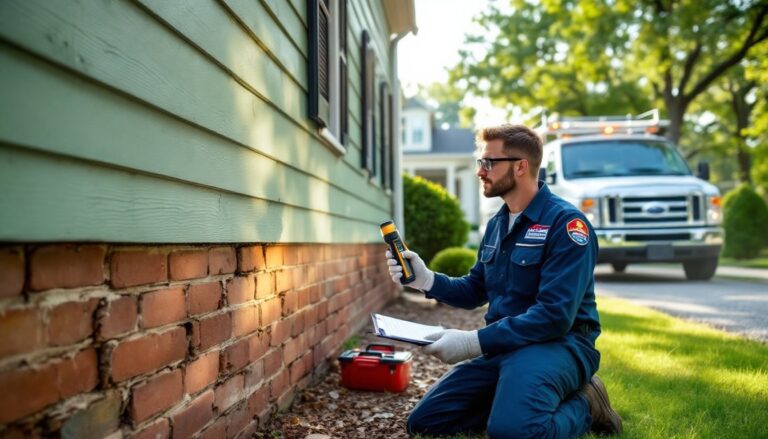
Scratching sounds in the walls at 2 a.m., chewed cereal boxes in the pantry, and tiny droppings along the baseboards, these aren’t signs of a poltergeist. They’re the calling cards of house mice, one of the most persistent pests homeowners face. A single mouse can become an infestation in weeks, and the structural damage they cause rivals their health risks. Whether someone’s dealing with a mouse sighting or full-blown invasion, understanding effective mouse control techniques and when to call in professionals can save thousands in repairs and prevent disease transmission. This guide walks through proven methods to eliminate mice and keep them out for good.
Table of Contents
ToggleKey Takeaways
- Early detection of mouse infestations through signs like droppings, gnaw marks, and scratching sounds allows for faster and more cost-effective mice pest control intervention within the first week.
- Snap traps baited with peanut butter and placed perpendicular to walls remain the most effective DIY mice pest control method, with professional intervention recommended if activity continues after two weeks.
- Sealing entry points smaller than ¼-inch using copper mesh, hardware cloth, and pest-control-rated expanding foam is the only permanent solution to prevent mice from returning to your home.
- Mice reproduce rapidly—a single pair can become 60+ mice in three months—making immediate action critical to avoid expensive structural damage and disease transmission risks like hantavirus.
- Professional pest control services use thermal imaging, inspection cameras, and bait stations strategically placed in inaccessible areas, costing $200-$500 initially but preventing thousands in repairs when DIY methods fail.
- Ongoing prevention through quarterly inspections, sealed food storage, and maintained exclusion barriers is essential even after professional mice pest control treatment to catch re-entry attempts early.
Signs You Have a Mouse Problem in Your Home
Identifying a mouse infestation early makes control far easier. Mice leave unmistakable evidence, and spotting it quickly prevents a minor issue from becoming a major headache.
Droppings are the most obvious giveaway. Mouse droppings resemble dark grains of rice, about ¼-inch long, and appear along walls, in cabinets, and near food sources. Fresh droppings look moist and dark: older ones fade to gray.
Gnaw marks show up on baseboards, electrical wiring, cardboard, and even drywall. Mice have incisors that grow continuously, so they chew constantly. Light-colored gnaw marks indicate recent activity. Chewed wires pose a genuine fire hazard, the National Fire Protection Association cites rodents as a contributing factor in roughly 25% of house fires with undetermined causes.
Scratching sounds in walls or ceilings, especially at night, signal mouse activity. Mice are nocturnal, so nighttime noise near insulation or between studs is a red flag.
Grease marks along walls and baseboards come from the oils in mouse fur. These dark smudges follow regular travel routes and appear where mice squeeze through tight spaces.
Nesting materials like shredded paper, fabric, or insulation tucked in hidden spots, behind appliances, in crawl spaces, or inside wall voids, confirm mice are settling in for the long haul.
If any of these signs appear, the infestation likely started weeks earlier. Mice reproduce rapidly: a female can have 5-10 litters per year with 5-6 pups each.
Why Mice Infestations Require Immediate Action
Delaying mouse pest control turns a manageable problem into a structural and health crisis. Mice aren’t just a nuisance, they actively damage homes and spread pathogens.
Structural damage happens fast. Mice gnaw through wood framing, vapor barriers, and foam insulation. They’ve been known to chew through PEX plumbing lines, causing water damage that requires wall removal and mold remediation. Electrical wiring is a favorite target, creating fire risks that most homeowners’ insurance policies don’t fully cover if rodent damage is involved.
Health hazards multiply with every mouse. Their urine and droppings carry hantavirus, salmonella, and leptospirosis. Hantavirus pulmonary syndrome, while rare, has a mortality rate above 35% according to the CDC. Mice also bring fleas, mites, and ticks indoors, compounding the problem.
Rapid reproduction means a pair of mice can become 60+ mice in three months under ideal conditions (warmth, food, shelter). By the time homeowners notice signs, the population is often well-established.
Professional exterminators confirm that early intervention, within the first week of spotting evidence, cuts treatment time and cost by roughly half compared to addressing a three-month-old infestation. Those searching for mouse control near me should act within days, not weeks.
DIY Mouse Control Methods That Actually Work
DIY mouse control service efforts can be highly effective for small infestations if done correctly. The key is using multiple strategies simultaneously, relying on a single method rarely works.
Best Mouse Traps and How to Use Them
Snap traps remain the gold standard for a reason: they kill instantly and cost under $2 each. Use wooden Victor traps or plastic Tomcat models. Bait with a pea-sized dab of peanut butter, not cheese (even though cartoons, mice prefer high-protein foods). Place traps perpendicular to walls with the trigger end facing the baseboard, mice travel along edges, not across open floors.
Set at least six traps even if only one mouse has been seen. Space them 2-3 feet apart along known travel routes. Check traps twice daily: a dead mouse left too long attracts other pests.
Electronic traps deliver a high-voltage shock and contain the carcass, which some homeowners prefer. Models like the Victor M2524 cost around $30-$40 and work well in garages or basements where appearance doesn’t matter.
Glue traps are controversial due to the inhumane death they cause, and many pest control professionals advise against them. If used, they must be checked every few hours, a trapped mouse can suffer for days otherwise.
Live traps allow catch-and-release, but relocating mice rarely works. They either die from stress and exposure or return to the structure. Most wildlife agencies recommend euthanizing trapped mice or using lethal methods from the start.
Avoid poison baits (rodenticides) in DIY scenarios. Mice often die inside walls, creating odor problems that require wall removal to resolve. Pets and children face secondary poisoning risks. Leave rodenticides to licensed professionals who know proper placement and follow-up.
Natural Repellents and Deterrents
Peppermint oil is widely recommended online, but its effectiveness is marginal at best. While mice dislike the scent, it doesn’t prevent entry, it just encourages them to nest elsewhere in the same structure. Soak cotton balls in 100% peppermint essential oil and place them in cabinets or near suspected entry points. Replace weekly. Don’t expect miracles.
Ultrasonic repellents produce high-frequency sound waves meant to irritate rodents. Most independent studies, including reviews on Good Housekeeping, show minimal long-term effectiveness. Mice quickly habituate to the sound, and walls block the waves entirely.
Steel wool stuffed into gaps works as a physical barrier. Mice can’t chew through it, but it’s a temporary fix, they’ll often pull it out or find alternate routes. Pair steel wool with caulk or expanding foam rated for pest control (standard foam breaks down when gnawed).
Predator scent products (coyote or fox urine) have limited use indoors due to odor but can deter mice in sheds or detached garages. Results vary widely.
Be realistic: natural methods work best as supplements to trapping and exclusion, not as standalone solutions. For persistent issues, certified pest control offers proven strategies beyond DIY options.
Sealing Entry Points to Keep Mice Out
What does pest control do for mice? One critical step is exclusion, blocking every possible entry. Mice squeeze through gaps as small as ¼-inch (roughly the diameter of a pencil). Sealing these points is the only permanent solution.
Conduct a perimeter inspection in daylight. Walk the foundation, checking where utilities enter: plumbing pipes, electrical conduits, HVAC lines, and cable/internet wiring. Look for gaps around dryer vents, crawl space vents, and weep holes in brick veneer.
Materials for exclusion:
- Copper mesh (Xcluder or Stuf-Fit): Unlike steel wool, it won’t rust and mice can’t chew through it. Stuff it tightly into holes up to 1 inch, then cover with caulk or mortar.
- Hydraulic cement or mortar: For gaps in foundation or masonry. Standard caulk fails, mice chew right through silicone and acrylic.
- Expanding foam sealant (rated for pest control): Great Western Stuff-It or similar products contain bitterants that deter gnawing. Use in gaps around pipes inside rim joists.
- ¼-inch hardware cloth: Secure over larger openings like crawl space vents or gable vents with galvanized screws and washers. Don’t use window screen, mice shred it easily.
- Door sweeps: Install metal or heavy rubber sweeps on exterior doors, especially garage doors. A ½-inch gap under a door is an open invitation.
Common entry points homeowners miss:
- Gaps where siding meets the foundation
- Openings around outdoor faucets (hose bibs)
- Torn or missing vent screens
- Roof-to-wall junctions and soffit returns
- Chimney caps (install a metal mesh cap if missing)
Inside the home, seal gaps around pipes under sinks and behind appliances. Check the back of the stove and refrigerator, mice often enter through wall penetrations for gas lines or water lines.
Exclusion isn’t a one-time job. Foundations settle, caulk degrades, and new gaps appear. Inspect twice a year, especially before winter when mice seek warmth. Homeowners dealing with wildlife pest control issues often find that the same entry points invite squirrels, rats, and bats.
When to Call a Professional Exterminator
Does pest control get rid of mice? Absolutely, and there are clear scenarios where professional intervention is the smart move.
Call a pro if:
- DIY efforts fail after two weeks. If traps aren’t catching mice or new droppings keep appearing even though aggressive trapping, the infestation is larger or more entrenched than expected.
- Mice are inside walls or inaccessible spaces. Pros have inspection cameras, thermal imaging, and commercial-grade tracking powders (talc-based, non-toxic) to locate nests and runways.
- Signs indicate a large population. If droppings appear in multiple rooms daily, or if mice are spotted in daylight (a sign of overcrowding), the colony is substantial.
- Structural damage is evident. Chewed wiring, damaged insulation, or gnawed framing requires both pest control and repairs. Many licensed contractors coordinate with electricians or insulation companies.
- Health concerns arise. Homes with immunocompromised residents, infants, or anyone with respiratory conditions should prioritize professional-grade sanitation and exclusion.
What to expect from top rated pest control near me services:
A licensed technician will conduct a thorough inspection, identify entry points, and assess infestation severity. How does pest control get rid of mice? Treatment typically includes strategic rodenticide placement in tamper-resistant bait stations, professional-grade snap traps in high-traffic areas, and exclusion work (sealing entry points with commercial materials).
Most companies offer monitoring visits for 30-90 days post-treatment to ensure eradication. Expect to pay $200-$500 for an initial visit and treatment, with follow-ups around $75-$150 each. Prices vary by region and infestation severity.
Choosing the best rated pest control services near me involves checking:
- Licensing and insurance: Verify state pest control operator licenses. Most states require technicians to pass exams and carry liability coverage.
- Experience with rodents specifically: Can pest control get rid of mice reliably? Yes, but only if they specialize in rodent work, not just insects.
- Guarantees: Reputable firms offer 30-60 day warranties. If mice return within that window, they retreat at no charge.
- Integrated Pest Management (IPM) approach: The highest rated pest control near me companies use IPM, combining traps, exclusion, sanitation advice, and minimal pesticide use.
Check reviews on Real Simple and local business directories, but prioritize companies with verifiable credentials over the cheapest bid. For severe infestations, the difference between the best pest control in my area and a budget service is often hundreds of dollars in prevented structural damage.
Finally, don’t assume mice and pest control is a one-and-done fix. Ongoing prevention, sealing new gaps, maintaining traps in vulnerable areas, and keeping food sealed, is essential. Even after professional treatment, homeowners should inspect quarterly to catch re-entry attempts early.