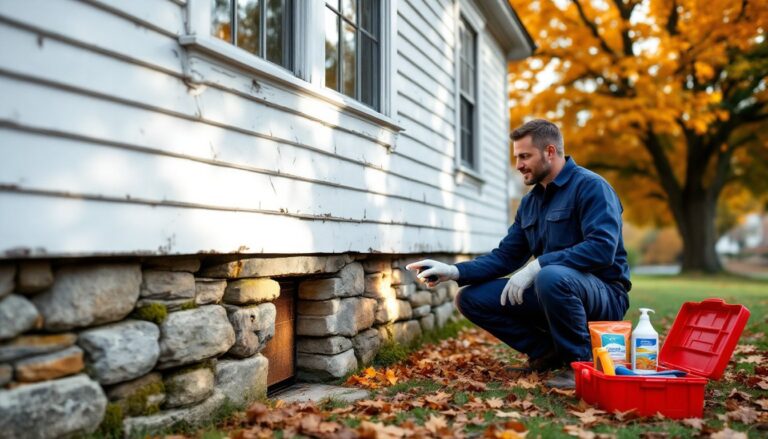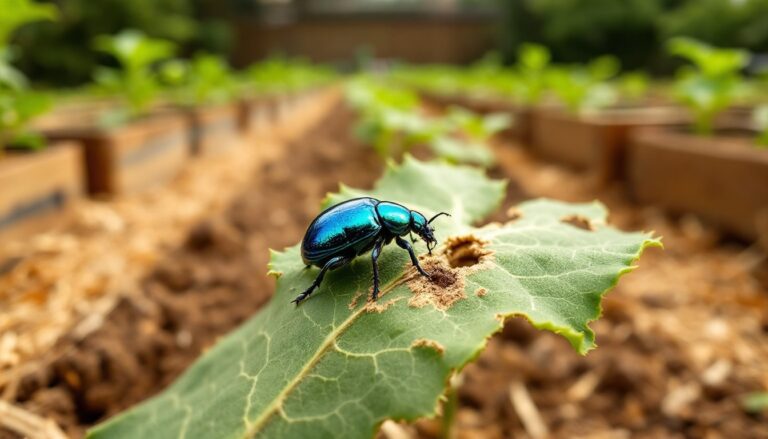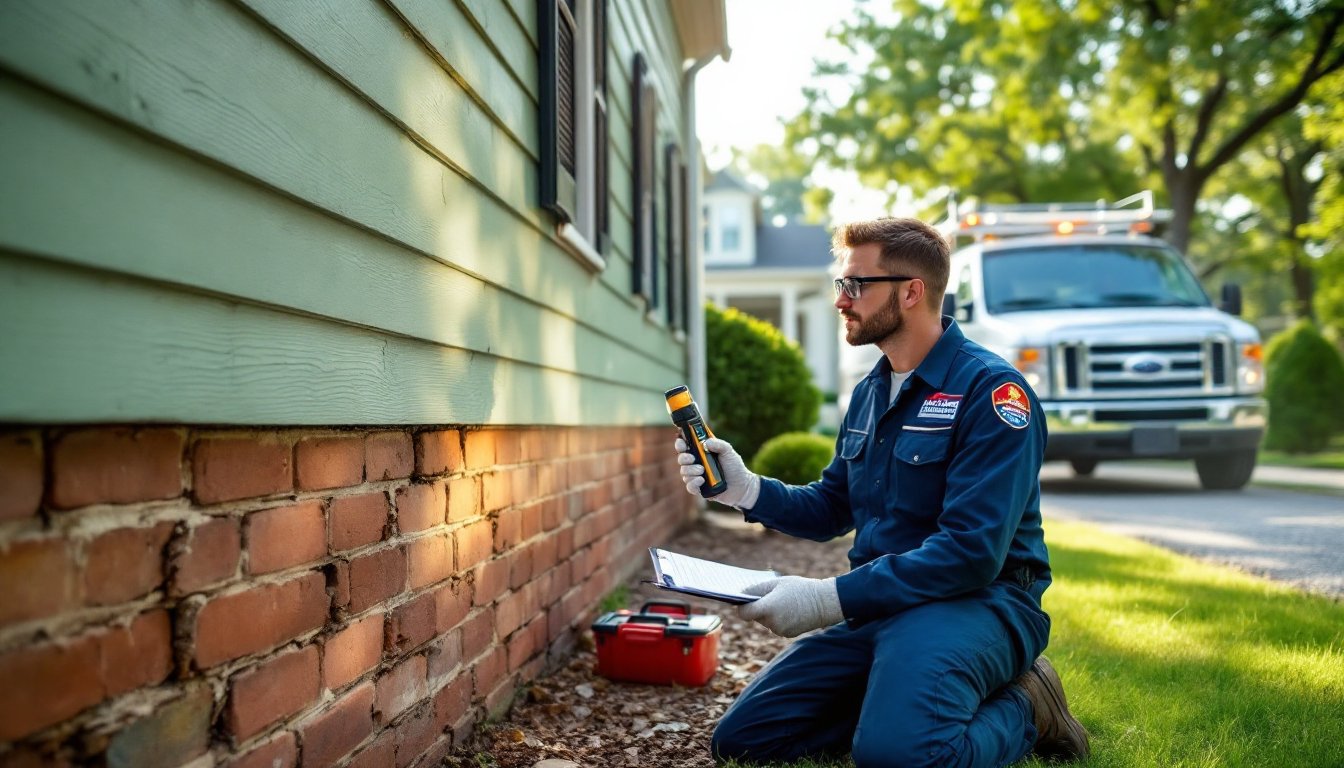
Knoxville’s humid subtropical climate and proximity to the Smoky Mountains make it a paradise for more than just homeowners, it’s also prime real estate for termites, carpenter ants, rodents, and a rotating cast of seasonal invaders. Between the Tennessee River corridor and dense urban canopy, local properties face year-round pest pressure that ranges from nuisance gnats to structural threats. This guide walks through the most common pest issues East Tennessee homeowners encounter, practical DIY control methods that hold up in real-world conditions, the warning signs that it’s time to bring in a licensed professional, and preventative maintenance strategies that keep pests from establishing a foothold in the first place.
Table of Contents
ToggleKey Takeaways
- Knoxville’s humid subtropical climate creates year-round pest pressure from termites, carpenter ants, rodents, and seasonal invaders, making proactive pest control essential for homeowners.
- Exclusion—sealing gaps with copper mesh, foam, and caulk—is the most effective long-term pest control strategy, combined with moisture control and sanitation to eliminate habitat and food sources.
- Structural pests like termites and carpenter ants require licensed professionals in Tennessee; DIY treatments rarely achieve the coverage depth needed for proper termite control around foundation perimeters.
- Quarterly exterior inspections, gutter maintenance, and crawl space vapor barriers prevent moisture buildup that attracts pests and protects your foundation from termite damage.
- When DIY efforts fail or infestations involve multiple areas, rodents in insulation, or stinging insects in high-traffic zones, professional pest control services provide safe, effective solutions using specialized equipment and IPM protocols.
Common Pest Problems Knoxville Homeowners Face
Termites top the list of structural threats in Knoxville. Eastern subterranean termites thrive in the region’s clay-heavy soils and high moisture levels, targeting foundation sills, floor joists, and any wood-to-ground contact. Damage often goes unnoticed until mud tubes appear along foundation walls or softwood is discovered during remodeling.
Carpenter ants are the second major wood-destroying pest. Unlike termites, they don’t eat wood, they excavate galleries for nesting, leaving behind smooth tunnels and piles of sawdust called frass. They’re attracted to moisture-damaged lumber, so leaky roofs and poor gutter drainage create ideal entry points.
Rodents, Norway rats and house mice, exploit gaps as small as ¼ inch to access attics, crawl spaces, and wall cavities. Once inside, they chew wiring (a fire hazard), contaminate insulation with droppings, and reproduce rapidly. A single female mouse can produce 5 to 10 litters per year, each with up to eight pups.
Cockroaches, particularly German and American species, infest kitchens, bathrooms, and basements. They carry allergens that trigger asthma and spread bacteria like Salmonella and E. coli. German roaches prefer warm, humid areas near food sources, while American roaches (also called “palmetto bugs”) enter through sewer lines and floor drains.
Spiders, including brown recluses and southern black widows, are common in undisturbed areas like garages, sheds, and closets. While most spiders are harmless pest controllers, venomous species require caution, brown recluse bites can cause necrotic lesions, and black widow venom affects the nervous system.
Seasonal Pest Challenges in East Tennessee
Spring (March–May) brings termite swarmers, carpenter bee activity, and ant colonies expanding from winter dormancy. Subterranean termites swarm after rain when soil temperatures hit 70°F, seeking new nesting sites. Carpenter bees bore ½-inch diameter holes into fascia boards, deck railings, and untreated softwood.
Summer (June–August) sees peak mosquito populations around standing water, stinging insect nests reaching maximum size, and increased rodent activity as young animals disperse. Yellow jackets and bald-faced hornets build paper nests in eaves, ground cavities, and tree branches, colonies can exceed 1,000 workers by late summer.
Fall (September–November) triggers home invasions as pests seek winter shelter. Asian lady beetles, stink bugs, and cluster flies congregate on sun-warmed south-facing walls before squeezing through soffit vents, window frames, and foundation cracks. Rodents move indoors as outdoor food sources decline.
Winter (December–February) doesn’t eliminate pest activity, it just moves it indoors. Overwintering pests remain dormant in wall voids and attics, while rodents stay active year-round in heated spaces. Many homeowners planning seasonal home maintenance discover pest evidence when inspecting crawl spaces or attics for insulation upgrades.
DIY Pest Control Methods That Actually Work
Exclusion is the most effective long-term strategy. Walk the exterior perimeter and seal gaps with appropriate materials: copper mesh for rodent-prone areas (they can’t chew through it), polyurethane foam for gaps around pipes and wires, and silicone caulk for cracks up to ½ inch. Pay special attention to foundation vents, dryer vents, and where utilities enter the structure.
Install door sweeps on all exterior doors, ensuring a tight seal when closed. Replace damaged window screens, standard 16×18 mesh stops most flying insects, but upgrade to 20×20 mesh for no-see-ums and thrips.
Moisture control eliminates habitat. Fix leaky faucets, repair dripping HVAC condensate lines, and redirect downspouts at least 6 feet from the foundation. Use a dehumidifier in basements and crawl spaces to maintain humidity below 50%, most pest species require higher moisture levels to survive.
Trim tree branches and shrubs to maintain 3 feet of clearance from exterior walls. This breaks the “bridge” rodents and insects use to access roofs and siding. Remove leaf litter, mulch piled against foundations, and firewood stored within 20 feet of the house.
Sanitation cuts off food sources. Store dry goods in airtight containers (glass or heavy plastic), clean up crumbs and spills immediately, and take garbage out nightly if possible. Don’t leave pet food out overnight, it attracts rodents, roaches, and ants.
For ant control, locate trails and apply food-grade diatomaceous earth (DE) along baseboards and entry points. DE’s microscopic sharp edges damage insect exoskeletons, causing dehydration. It works on crawling insects but requires reapplication after moisture exposure. Bait stations using borax-based baits disrupt ant colonies when workers carry poison back to the queen.
Sticky traps and snap traps work for rodent monitoring and light infestations. Place traps perpendicular to walls where droppings appear, using peanut butter or nesting material (cotton balls, twine) as bait. Check daily and dispose of carcasses in sealed plastic bags. Glue boards are effective for mice but considered inhumane by some, trapped animals may struggle for hours.
Natural and Chemical-Free Prevention Strategies
Essential oils offer limited repellent effects. Peppermint oil (10–15 drops per cup of water in a spray bottle) may deter mice and spiders when applied to entry points, but efficacy drops as the scent fades. Reapply weekly.
Cedar products, blocks, chips, or oil, repel moths, roaches, and some beetles. Place cedar blocks in closets and storage boxes, refreshing them annually by light sanding to release oils.
Beneficial insects handle outdoor pest populations. Ladybugs consume aphids, lacewings target soft-bodied insects, and nematodes (microscopic roundworms) parasitize soil-dwelling grubs and larvae. Purchase from garden suppliers and release according to package directions, timing and moisture levels affect success rates.
Ultrasonic repellents show mixed results in controlled studies. While manufacturers claim high-frequency sound waves repel rodents and insects, professional pest control operators report inconsistent field performance. Pests often habituate to the noise, and structural barriers (walls, furniture) block sound waves.
Boric acid powder is a low-toxicity option for roaches and ants. Dust it lightly in wall voids, under appliances, and in cabinet toe-kicks, insects pick up particles on their bodies and ingest them during grooming. Keep it dry and away from pets and children.
When to Call a Professional Pest Control Service
Structural pests like termites and carpenter ants require licensed treatment. Tennessee law mandates that anyone applying termiticides for hire hold a Category 7 (Wood-Destroying Insect) license issued by the Tennessee Department of Agriculture. DIY termite treatments rarely reach the soil depth or coverage area needed, professional applications inject Termidor, Premise, or other non-repellent termiticides at 4-gallon-per-10-linear-feet rates around the foundation perimeter.
Signs that warrant a professional termite inspection include mud tubes on foundation walls, discarded swarmer wings near windows, and hollow-sounding wood when tapped. Most lenders require a Wood Infestation Inspection Report (WIR) before closing on Knoxville-area properties.
Rodent infestations beyond a couple of isolated sightings often need professional intervention. If you’re hearing activity in multiple areas, finding droppings throughout the house, or discovering nests in insulation, the population has likely exceeded DIY control capacity. Professionals use snap traps, multi-catch devices, and rodenticide bait stations placed in tamper-resistant enclosures, especially important if pets or children are present.
Tennessee allows homeowners to purchase second-generation anticoagulants (brodifacoum, bromadiolone) for residential use, but misapplication creates secondary poisoning risks for pets and wildlife that consume poisoned rodents. Pros monitor bait consumption, adjust placement, and handle carcass removal.
Stinging insect nests located in high-traffic areas or at heights requiring ladder work are best left to professionals. Yellow jacket colonies defend aggressively when disturbed, workers can sting repeatedly, and large nests may house thousands of defenders. Companies use foaming aerosols or dusts (deltamethrin, lambda-cyhalothrin) that workers carry into the nest, collapsing the colony within 24–48 hours.
Bed bug treatments require specialized equipment and pesticide formulations not available to consumers. Professionals combine heat treatment (raising room temperatures to 120–135°F for several hours), steam applications, and residual insecticides labeled for bed bugs. A single gravid female can restart an infestation, so thorough coverage is critical.
Recurring infestations even though DIY efforts signal a deeper issue, hidden entry points, conducive conditions, or a population too large for spot treatments. Certified pest control providers conduct inspections using thermal imaging cameras, moisture meters, and borescopes to locate harborage areas and identify contributing factors.
When selecting a company, verify they hold a Tennessee Pest Control Operator license, carry general liability and workers’ compensation insurance, and provide written service agreements detailing treatment methods, target pests, and guarantee terms. Ask whether they follow Integrated Pest Management (IPM) protocols that emphasize prevention and non-chemical controls before resorting to pesticides.
Preventative Maintenance Tips for a Pest-Free Home
Quarterly exterior inspections catch problems early. Walk the foundation looking for new cracks, settlement gaps, or deteriorated mortar joints. Check soffit vents for gaps, inspect roof-to-wall junctions for separation, and examine weatherstripping on doors and windows.
Gutter maintenance prevents moisture buildup that attracts pests. Clean gutters twice yearly, spring and fall, removing leaf debris that clogs downspouts and causes overflow. Standing water in gutters becomes mosquito breeding habitat within 7 days.
Crawl space vapor barriers reduce humidity and discourage subterranean termites. Install 6-mil polyethylene sheeting over exposed soil, overlapping seams by 12 inches and sealing with waterproof tape. Ensure vents provide 1 square foot of ventilation per 150 square feet of crawl space or consider encapsulation with a dehumidifier if vents aren’t feasible.
Landscape grading should slope 6 inches over the first 10 feet away from the foundation to prevent water pooling. Poor drainage saturates soil near foundations, creating termite-friendly conditions and foundation settlement issues.
Replace wood mulch with rubber mulch or gravel in beds directly against the house. Organic mulch retains moisture and provides harborage for ants, roaches, and termites. If you prefer organic options, maintain a 12-inch mulch-free zone against the foundation.
Attic ventilation regulates temperature and humidity, preventing conditions that support carpenter ants, roaches, and wood-boring beetles. The IRC (International Residential Code) recommends 1:150 ventilation ratio (1 square foot of vent per 150 square feet of attic) or 1:300 if vapor barriers are present.
Store firewood on racks at least 6 inches off the ground and 20+ feet from the house. Inspect each piece for insect activity before bringing it indoors, bark beetles, carpenter ants, and termites often hitchhike in wood piles.
Annual professional inspections provide expert monitoring. Many Knoxville companies offer preventative quarterly services that include exterior perimeter treatments, interior monitoring, and written reports documenting findings. Costs typically range $100–150 per quarterly visit, varying by property size and service level. Those researching cost estimation tools find that regional pricing often reflects higher termite pressure in humid climates.
Document all pest control activities, dates, products used, application sites, and results. If selling the property, this record demonstrates proactive maintenance and satisfies buyer inspection concerns. For DIY enthusiasts managing multiple pest control approaches, maintaining logs helps identify what works for specific situations.
Conclusion
Knoxville’s pest challenges won’t disappear, but consistent prevention, strategic DIY interventions, and knowing when to call for backup keep homes protected without breaking the budget. The combination of exclusion work, moisture control, and sanitation handles the majority of pest pressure, while professionals tackle structural threats and infestations beyond DIY capacity. Regular inspections and maintenance create the long-term defense that outlasts any single treatment.