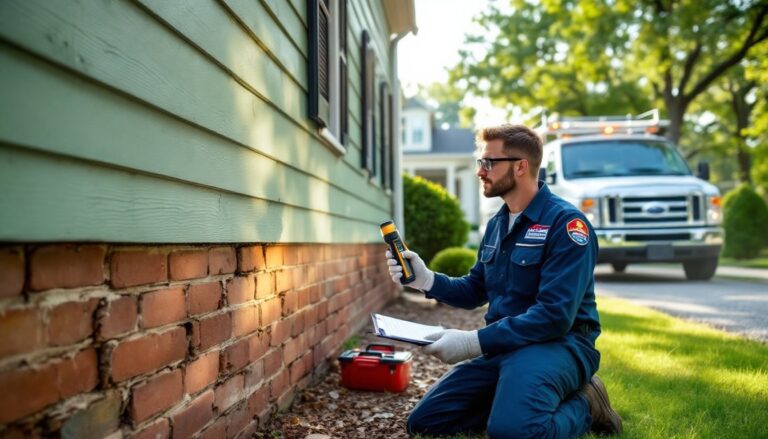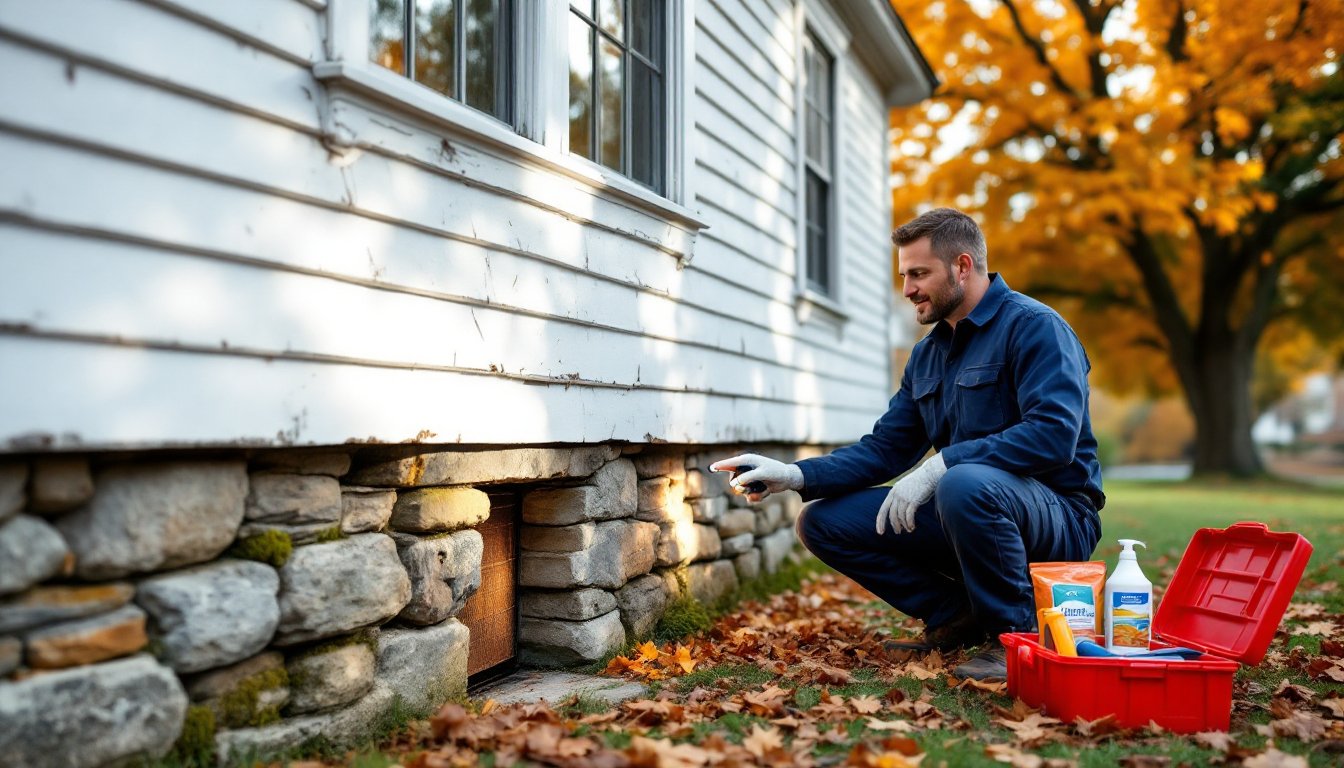
Colonial-era homes bring undeniable charm, exposed beams, stone foundations, wide-plank floors, but they also come with structural quirks that practically roll out the welcome mat for pests. Built long before modern building codes addressed pest barriers, these historic properties often feature open crawlspaces, fieldstone foundations with gaps, and timber frames that have been seasoning for centuries. If you own or maintain a colonial-style home, understanding why these structures attract unwanted guests, and how to evict them without damaging historic materials, is essential to protecting both your investment and the building’s integrity.
Table of Contents
ToggleKey Takeaways
- Colonial homes’ vulnerable structures—fieldstone foundations, timber framing, and gaps in sills—create ideal entry points and habitats for termites, carpenter ants, rodents, and wood-boring beetles that thrive in historic properties.
- Integrated Pest Management (IPM) is the recommended approach for colonial pest control, prioritizing non-chemical exclusion, moisture reduction, and monitoring before resorting to pesticides that may damage historic materials.
- Prevention through foundation maintenance, moisture control, sealing entry points, and eliminating wood-to-ground contact saves money and preserves historic integrity better than reactive pest treatments.
- Match repair materials to originals and avoid drilling into historic masonry; use lime-based mortar for repointing, perimeter trenching instead of injection holes, and consult historic commissions before exterior modifications.
- Active termite infestations, carpenter ant colonies in structural timbers, and large bat colonies require professional pest control services with experience in historic preservation and compliance with state regulations.
Understanding Pest Challenges in Colonial-Era Homes
Colonial homes weren’t designed with pest exclusion in mind. Builders in the 1600s through early 1800s prioritized durability and climate control, not creating airtight envelopes. The result? Homes with countless entry points and conditions that pests find irresistible.
Why Colonial Homes Are Vulnerable to Infestations
Most colonial structures sit on fieldstone or rubble foundations with mortar that’s degraded over time, leaving gaps large enough for rodents and insects to slip through. Unlike poured concrete foundations with integral waterproofing, these stone bases often lack moisture barriers, creating damp conditions in basements and crawlspaces, a magnet for termites, carpenter ants, and powder post beetles.
Timber framing is another vulnerability. Hand-hewn beams and joists, often made from oak, chestnut, or pine, can contain cracks, checks, and voids where wood-boring insects establish colonies. Original timber was rarely kiln-dried, so natural shrinkage over centuries opens up gaps at joints and mortise-and-tenon connections.
Many colonial homes also feature horsehair plaster walls over wood lath. When plaster cracks or separates from lath, the resulting voids become highways for mice and hiding spots for insects. Attics with original board sheathing (rather than plywood) often have gaps between planks wide enough to see daylight, and wide enough for bats, squirrels, and wasps to enter.
Finally, colonial properties typically have chimneys with minimal or deteriorated flashing, unscreened vents, and soffit areas where wood has rotted. These access points are nearly impossible to seal completely without compromising the home’s historic character.
Most Common Pests Found in Colonial-Style Properties
Historic homes host a predictable lineup of pests, each drawn to specific structural features.
Termites top the list, especially subterranean species that travel through soil and enter through foundation cracks or where wood contacts earth. Exposed foundation sills (common in colonial construction) provide direct access to structural timbers. Formosan termites, increasingly common in the mid-Atlantic and Southeast, are particularly aggressive and can cause significant damage before detection.
Powder post beetles infest hardwood timbers, leaving telltale pinholes and fine sawdust piles. These beetles can remain active for years in old-growth lumber, and infestations often go unnoticed until structural members are compromised. They’re especially fond of oak and ash.
Carpenter ants don’t eat wood, but they excavate it to build nests. They prefer moist, partially decayed timber, exactly what you’ll find in colonial basements, sill plates, or anywhere roof leaks have gone unaddressed. Frass (sawdust mixed with insect parts) near baseboards or beams signals active colonies.
Mice and rats exploit foundation gaps, rotted sills, and gaps around utility penetrations. Once inside, they nest in wall cavities, attics, and crawlspaces. According to resources from Good Housekeeping, rodents can squeeze through openings as small as a dime, making old homes with settling foundations especially vulnerable.
Bats roost in attics and behind shutters, entering through soffit gaps or where chimney flashing has failed. While beneficial for controlling flying insects, bats create health hazards through guano accumulation and potential rabies exposure.
Wasps and hornets build nests in attic spaces, wall voids, and under eaves. Colonial homes with original clapboard siding often have gaps behind trim boards that become ideal nesting sites.
Effective Pest Control Methods for Colonial Homes
Controlling pests in historic properties requires balancing effectiveness with preservation. Chemical treatments that work fine in modern homes can damage historic materials, and aggressive exclusion methods can alter the building’s character.
Integrated Pest Management (IPM) is the gold standard for historic structures. IPM prioritizes non-chemical methods, exclusion, habitat modification, and monitoring, before resorting to pesticides. Start with a thorough inspection of the foundation, sill plates, attic, and basement. Use a moisture meter to identify areas with elevated moisture content (above 20% in wood), which attract wood-destroying insects.
For termite control, liquid termiticides applied to the soil around the foundation create a barrier. Products containing fipronil or imidacloprid are effective and have low toxicity to humans once dry. Bait stations placed around the perimeter offer an alternative that doesn’t require drilling into historic masonry. Note that treatment near wells or water sources may be restricted by state regulations.
Boric acid treatments work well for powder post beetles and carpenter ants in accessible timbers. Boric acid disrupts insect metabolism and has low mammalian toxicity. Apply as a dust into beetle holes or ant galleries, or use borate solutions on exposed wood surfaces. Homeowners considering this approach can explore boric acid applications for targeted treatments in hard-to-reach areas.
Rodent control starts with exclusion. Seal foundation cracks with hydraulic cement or mortar that matches the original in composition and color, important for properties in historic districts. Use copper mesh or stainless steel wool in gaps around pipes: galvanized steel mesh won’t stain masonry. Snap traps remain more effective than poison, which can lead to rodents dying in inaccessible wall cavities.
For bat exclusion, install one-way doors at entry points after ensuring no young are present (typically mid-August through October). Never seal bats inside, it’s inhumane and illegal in many jurisdictions. White-nose syndrome has devastated bat populations, so proper exclusion timing matters for conservation.
Always wear appropriate PPE: respirator mask when working in dusty attics or applying pesticide dust, gloves when handling chemicals or rodent traps, and safety glasses when working overhead. Disturbed bat guano and rodent droppings can carry histoplasmosis and hantavirus.
Preserving Historic Integrity While Eliminating Pests
Pest control in historic homes means walking a fine line. Aggressive modern methods can violate preservation guidelines, especially if the property is listed on the National Register or subject to local historic district regulations.
Avoid drilling into historic masonry whenever possible. Termite treatment injection holes in stone or brick foundations can cause spalling and moisture intrusion. Use perimeter trenching or bait systems instead. If drilling is unavoidable, consult a preservation specialist and use the smallest practical bit size.
Match repair materials to originals. When replacing rotted sills or timbers damaged by pests, use the same wood species and dimensions. Modern pressure-treated lumber is often inappropriate for visible repairs, it doesn’t accept traditional finishes and has a different appearance. For sill replacement, consider borate-treated lumber that matches the original species.
Ventilation modifications to reduce moisture (and so pest habitat) should respect the building’s design. Adding soffit vents to a home that never had them can alter the roofline and isn’t always necessary. Instead, improve crawlspace ventilation with screened foundation vents sized and placed to maintain the foundation’s appearance.
Preserve original materials where structurally sound. Powder post beetle-damaged beams don’t always require replacement. If the damage is superficial (less than 10% of the member’s cross-section), treat with borates and monitor. Epoxy consolidants can stabilize damaged areas without removing historic fabric.
If your home is in a historic district, check with your local historic commission before making exterior changes. Installing metal flashing, replacing trim, or adding vent screens may require approval. According to guidance similar to what Today’s Homeowner provides for preservation projects, documentation of pest damage and proposed treatments can help secure necessary approvals.
DIY Prevention Strategies for Colonial Homeowners
Preventing infestations saves money and preserves historic materials better than reactive treatments. Most prevention work is within DIY capability.
Foundation maintenance is priority one. Repoint deteriorated mortar in stone foundations using a lime-based mortar mix (Type O or Type K), not modern Portland cement, which is too hard and traps moisture. Remove vegetation within 18 inches of the foundation, roots hold moisture against stone and provide rodent cover.
Moisture control eliminates habitat for most pests. Install or repair gutters and downspouts to direct water at least 6 feet from the foundation. In basements, use a dehumidifier to keep relative humidity below 60%. Fix roof leaks immediately, water-damaged timbers attract carpenter ants and powder post beetles.
Seal entry points methodically. Use silicone or acrylic latex caulk (not polyurethane foam, which rodents chew through) around utility penetrations. Install door sweeps on exterior doors, colonial doors often have significant gaps at the bottom. Screen attic vents with ¼-inch hardware cloth: standard window screen won’t stop mice.
Wood-to-ground contact is a code violation today but common in historic construction. If you have sills or posts resting directly on stone or soil, create a capillary break with a strip of bituminous membrane or copper flashing. This won’t stop existing termite infestations but will prevent new ones.
Firewood storage should be at least 20 feet from the house and elevated on racks. Stacking wood against the foundation invites termites and carpenter ants directly into the structure. Homeowners seeking additional prevention strategies can reference methods used in certified treatment programs that emphasize ongoing monitoring.
Conduct seasonal inspections. Spring and fall, check the basement, crawlspace, and attic for signs of activity: frass piles, mud tubes, droppings, gnaw marks, or new insect holes. Early detection means simpler, less invasive treatment.
Safety note: When working in crawlspaces or attics, wear a respirator rated for particulates (N95 minimum), gloves, and long sleeves. Historic homes may contain lead paint dust, asbestos insulation, or contaminated animal waste.
When to Call a Professional Pest Control Service
Some situations exceed DIY capability or legal authority. Know when to bring in a licensed professional.
Active termite infestations with visible mud tubes or structural damage require professional treatment. Most states mandate licensed applicators for liquid termiticides, and homeowner misapplication can contaminate groundwater or leave gaps in protection. Professionals carry liability insurance and warranty their work, important if damage worsens.
Carpenter ant colonies in wall voids or structural timbers need professional intervention. Locating the main nest (versus satellite colonies) requires experience and often thermal imaging or borescope inspection. Pros have access to non-repellent insecticides that foraging ants carry back to the colony.
Bat exclusion is best handled by wildlife specialists, particularly in homes with large colonies. Improper exclusion can trap bats inside or leave guano cleanup incomplete, creating health hazards. Many states require licensed nuisance wildlife operators for bat work. As noted in guides similar to those from Family Handyman, professional bat remediation includes decontamination and exclusion device installation timed to local regulations.
Historic properties in registered districts often benefit from pest control companies experienced with preservation requirements. These specialists understand how to treat infestations without damaging or altering historic fabric. Ask potential contractors about experience with old homes and whether they’re familiar with National Park Service preservation guidelines.
Permit requirements vary by jurisdiction. Structural pest control work may require permits if it involves timber replacement or foundation repair. In some areas, termite treatment requires licensed pest control operators and documentation for real estate transactions. Check with your local building department.
When interviewing pest control companies, ask for references from other historic homeowners and proof of insurance (general liability and professional liability). Verify state licensing through your state’s pesticide regulatory agency. For properties in urban historic districts, companies familiar with municipal pest management challenges often have relevant experience navigating local regulations.
Get written treatment plans that specify products, application methods, and expected outcomes. Reputable companies provide warranties and follow-up inspections. If a company pushes aggressive chemical treatment without discussing exclusion or moisture control, find another provider.