Florida’s warm, humid climate makes it a paradise for people, and pests. Year-round temperatures above freezing mean bugs, rodents, and wood-destroying insects never truly go dormant. Homeowners face a relentless parade of invaders, from subterranean termites chewing through floor joists to palmetto bugs the size of small aircraft carriers. Managing pests in Florida isn’t a one-time fix: it’s an ongoing defensive strategy that combines smart home maintenance, targeted exclusion tactics, and knowing when to call in the pros. This guide covers the unique pest challenges Florida homeowners face and how to keep their homes protected.
Table of Contents
ToggleKey Takeaways
- Florida’s year-round warm climate and high humidity create ideal conditions for continuous pest breeding, making all Florida pest control an ongoing defensive strategy rather than a one-time fix.
- Subterranean and drywood termites are Florida’s most destructive pests, requiring professional inspection and treatment—most real estate transactions mandate termite inspections before closing.
- Seal entry points larger than 1/4 inch with copper mesh or silicone caulk, install door sweeps and window screens, and manage moisture below 50% humidity to prevent roaches, ants, and wood-destroying insects.
- Landscape and interior sanitation matter: keep mulch 6 inches from siding, trim tree branches touching the house, wipe counters nightly, and store dry goods in airtight containers to eliminate pest harborage.
- Call a licensed Florida pest control professional immediately for termites, persistent roach or ant infestations, rodents, or stinging insects—verify the company’s Department of Agriculture license and get written estimates detailing treatment methods and warranties.
- Year-round vigilance through quarterly perimeter inspections, annual termite checks, and prompt repairs prevents small pest problems from escalating into expensive structural damage.
Understanding Florida’s Unique Pest Challenges
Florida’s subtropical and tropical climate creates ideal conditions for pest reproduction and survival. Unlike northern states where winter kills off many insect populations, Florida pests breed continuously. High humidity levels (often 70% or higher) provide the moisture many insects need to thrive, while the state’s sandy soil makes tunneling easy for subterranean termites.
The state’s diverse ecosystems, from coastal areas to wetlands and pine flatwoods, support an extraordinary variety of pest species. Homes built on concrete slab foundations offer different entry points than pier-and-beam construction, but both are vulnerable. Most Florida homes lack basements, meaning crawl spaces, attics, and wall voids become prime nesting sites.
Seasonal patterns still matter. Summer’s heavy rains drive ants and roaches indoors seeking dry shelter. Hurricane season can disrupt pest populations temporarily, but flooding often forces rodents and insects into higher ground, including your home. According to resources from The Spruce, understanding regional pest behavior helps homeowners time preventive treatments more effectively.
Construction standards also play a role. Older Florida homes may have gaps around plumbing penetrations, unscreened vents, or damaged weatherstripping, all of which serve as pest highways. Newer builds with tighter envelopes reduce access points but aren’t immune, especially if landscape maintenance creates bridges (like mulch piled against siding or tree branches touching rooflines).
Most Common Household Pests in Florida
Termites and Wood-Destroying Insects
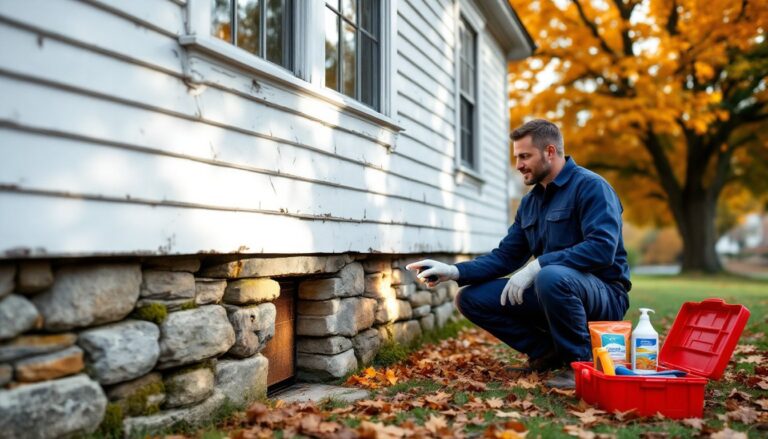
Subterranean termites are Florida’s most destructive pest, causing millions in structural damage annually. These insects build mud tubes up foundation walls and slab edges, accessing wood framing from below. A mature colony can consume about one linear foot of a 2×4 per year, not fast, but relentless. Formosan termites, an invasive species, are even more aggressive and harder to control.
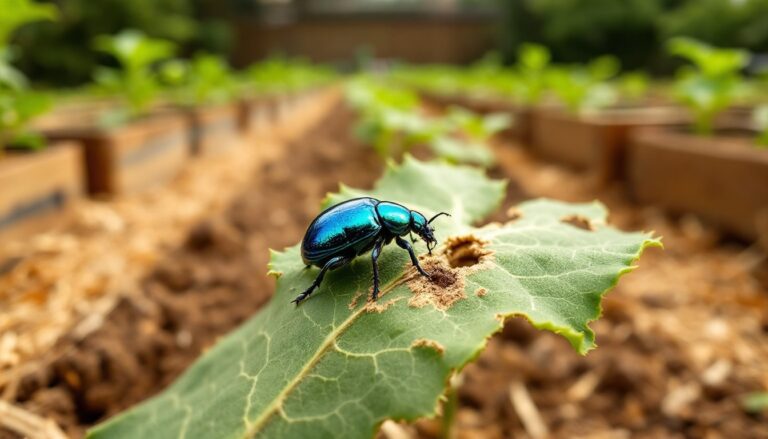
Drywood termites infest without ground contact, entering through attics, eaves, and unscreened vents. They leave behind frass (small, sand-like pellets) near kick-out holes in wood. Inspecting attic framing annually for frass piles is smart prevention. Powder post beetles also attack hardwood trim and flooring, leaving tiny exit holes and fine powder.
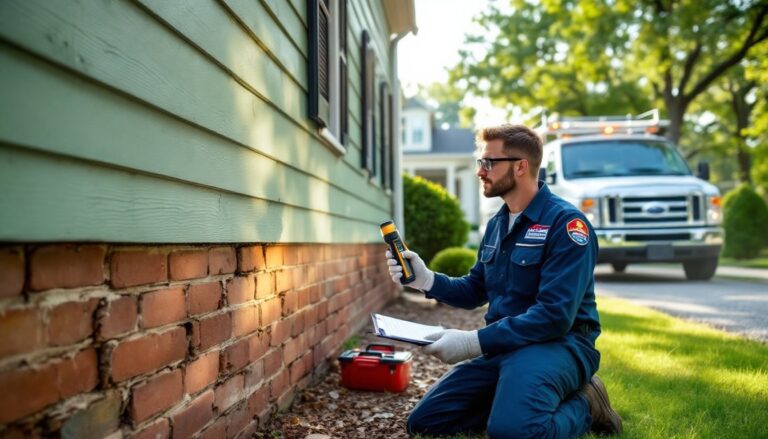
Wood-destroying insects don’t respect cosmetic versus structural boundaries. If you find evidence of termites, mud tubes, hollow-sounding wood, or swarmers (winged reproductive termites), schedule a professional inspection immediately. Most real estate transactions in Florida require a termite inspection report, and many lenders won’t close without one. For comprehensive coverage, many homeowners turn to certified pest control services that offer both treatment and ongoing monitoring.
Roaches, Ants, and Pantry Invaders
Florida hosts several cockroach species, but the American cockroach (palmetto bug) is the most notorious. These reddish-brown insects can exceed two inches long and fly. They typically nest outdoors in mulch, palm fronds, and sewer systems, entering homes through gaps under doors, plumbing chases, and roof vents. German cockroaches are smaller, tan, and prefer indoor kitchens and bathrooms, breeding rapidly in wall voids behind appliances.
Ant species vary by region. Argentine ants form massive supercolonies with multiple queens, making elimination difficult. Ghost ants are tiny, light-colored, and love sweet spills in kitchens. Carpenter ants don’t eat wood but excavate galleries in damp or damaged framing, often a sign of moisture problems. Fire ants dominate outdoor spaces, and their aggressive stings are a safety hazard, especially for children and pets.
Pantry pests like Indian meal moths and grain beetles infest flour, cereal, and pet food. They often arrive in packaging from the store. Homeowners dealing with multiple pest types may benefit from exploring pest control leads to connect with specialists who handle infestations comprehensively. Store dry goods in airtight containers (glass or heavy plastic) to prevent contamination and reproduction.
DIY Pest Prevention Strategies for Florida Homes
Prevention beats treatment every time. Start with exclusion, sealing entry points before pests find them. Inspect your home’s perimeter quarterly, looking for gaps around pipes, utility lines, and cable penetrations. Fill openings larger than 1/4 inch with copper mesh or silicone caulk. Steel wool works temporarily but rusts in Florida’s humidity.
Door sweeps are non-negotiable. Install brush or rubber sweeps on exterior doors, ensuring contact with the threshold when closed. Garage doors need bottom seals, often called astragals, to block the gap above the concrete. Window screens should be 20-mesh or finer to exclude tiny insects: repair tears immediately with screen patch kits or replacement spline.
Manage moisture aggressively. Fix leaky faucets, clear AC condensate lines, and ensure gutters drain away from the foundation. Dehumidifiers in damp crawl spaces or laundry rooms keep humidity below 50%, making environments less hospitable to roaches and silverfish. Repair roof leaks promptly: even small leaks soften sheathing and invite carpenter ants.
Landscape choices matter. Keep mulch at least six inches away from siding and no deeper than two to three inches. Cypress mulch or pine straw dries faster than hardwood mulch, reducing roach harborage. Trim tree branches and shrubs so they don’t touch the house: these create “pest bridges” over treated perimeter zones. According to advice from Gardenista, thoughtful plant placement can reduce pest pressure while maintaining curb appeal.
Inside, practice good sanitation. Wipe counters nightly, sweep crumbs, and don’t leave pet food out overnight. Store trash in cans with tight-fitting lids. Clean under appliances (stoves, refrigerators) monthly to remove grease and food particles that attract roaches. Empty vacuum canisters immediately outside to prevent captured eggs from hatching indoors.
Boric acid powder (not borate timber treatments) is a low-toxicity DIY option for roaches and ants. Apply light dustings in wall voids, under appliances, and along baseboards where pets and kids won’t access. It’s a desiccant and stomach poison that works slowly but effectively. Diatomaceous earth (food-grade) is another option, though it must stay dry to work.
For ants, identify trails and bait near, not on, the trail. Use gel or granular baits labeled for the species you’re fighting. Workers carry bait back to the colony, killing the queen over days or weeks. Avoid spraying trails with household cleaners: it disrupts the pheromone path ants use to navigate and can scatter the colony, making the problem worse.
When to Call a Professional Pest Control Service
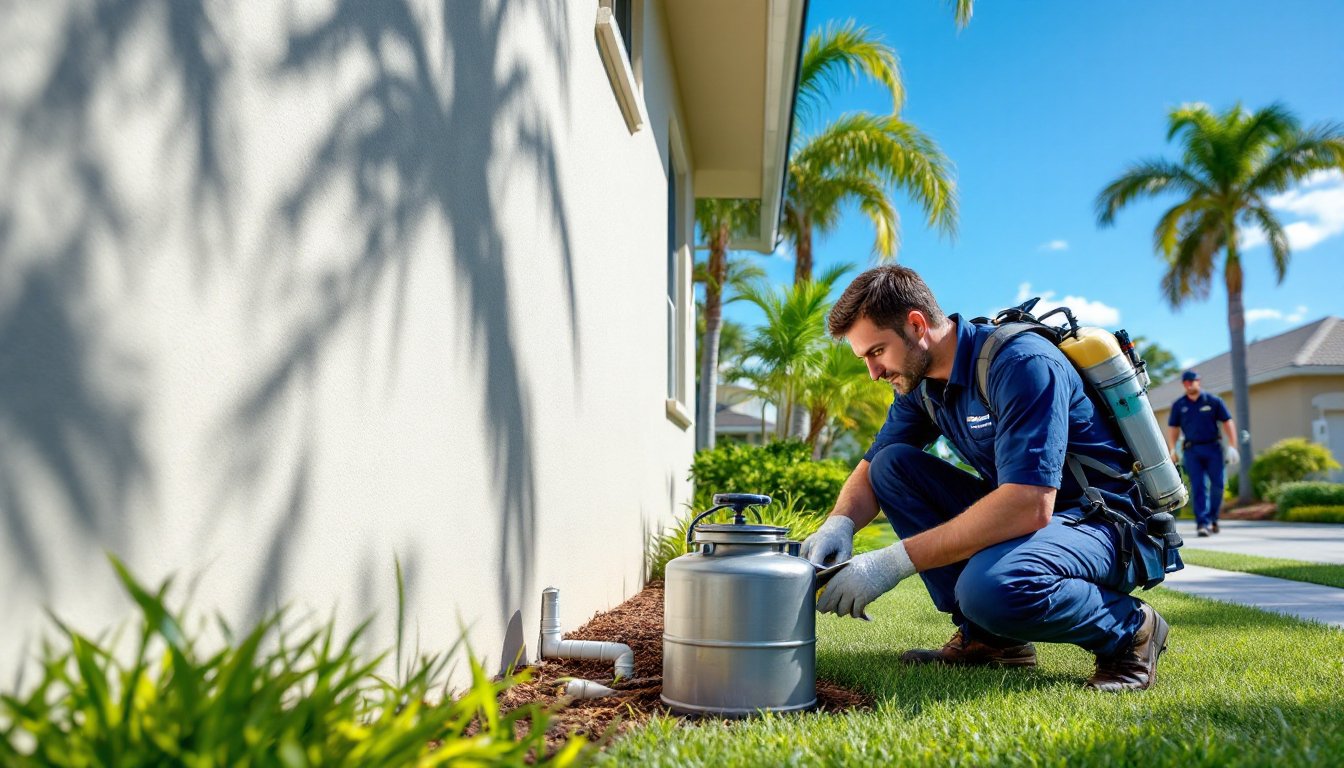
Some infestations exceed DIY capability. Termites always require professional treatment. Licensed pest control operators use liquid termiticides (applied in trenches around the foundation), bait systems, or fumigation (tenting) for drywood species. Termite treatments often come with multi-year warranties, provided you maintain annual inspections.
If you’ve tried multiple DIY approaches for roaches or ants and the problem persists or worsens, call a pro. Professionals have access to restricted-use pesticides and application equipment (like powered dusters and sub-slab injectors) homeowners can’t buy. They also identify conducive conditions, moisture sources, hidden entry points, satellite colonies, that DIYers often miss.
Rodents (roof rats, Norway rats, mice) spread disease and chew electrical wiring, creating fire hazards. Professionals use integrated pest management (IPM): trapping, exclusion, and population monitoring. Poison baits can cause rodents to die in walls, creating odor problems: trapping is often preferable. If you hear scratching in the attic at night, don’t wait.
Stinging insects, wasps, hornets, yellow jackets, can be dangerous, especially for allergic individuals. Nests in eaves, wall voids, or underground should be handled by professionals wearing protective gear. The same goes for bedbugs, which require heat treatments or specialized insecticides and often multiple follow-up visits.
Florida law requires pest control operators to be licensed by the Department of Agriculture and Consumer Services. Ask for the company’s license number and verify it online. Get written estimates detailing treatment methods, products used, and warranty terms. Reputable companies explain what they’re doing and why, not just show up and spray.
Some situations require permits or coordination with other trades. Extensive termite damage may need structural repairs by a licensed contractor before treatment. If pests are entering through damaged roofing or siding, repairs come first. For hiring reliable professionals, platforms like Angi can help homeowners compare reviews and credentials. If you’re considering a subscription service with regular visits, compare offerings, many certified pest control providers offer quarterly plans that adjust treatments seasonally.
Don’t skip the service agreement fine print. Understand what’s covered (initial treatment, follow-ups, re-treatments if pests return) and what’s not (damage repair, termite warranty exclusions). Good contracts are transparent about costs, cancellation terms, and homeowner responsibilities (like maintaining exclusion work).
Conclusion
Florida’s climate ensures pest control is a year-round commitment, not a seasonal chore. Combining preventive exclusion, moisture management, and sanitation with professional treatments when needed keeps homes protected. Stay vigilant, quarterly perimeter inspections, annual termite checks, and prompt repairs prevent small problems from becoming expensive disasters.