Live oaks are the undisputed champions of Southern landscapes, massive, sprawling, and built to outlive generations. But their longevity comes with a downside: they’re a prime target for pests. From fungal diseases spread by beetles to borers that tunnel through heartwood, these trees face threats that can compromise their structure and appearance. Understanding what attacks live oaks, and how to respond, makes the difference between a tree that thrives for centuries and one that declines within a decade. This guide walks through the pests that pose real danger, how to spot damage early, and when DIY measures work versus when a professional arborist is the only call to make.
Table of Contents
ToggleKey Takeaways
- Live oak pest control begins with prevention: prune only during July through January in oak wilt zones and seal all cuts immediately with latex paint to block beetle-spread fungal disease.
- Early detection of pest damage—including leaf drop, exit holes, girdled branches, and sawdust at the trunk—allows homeowners to intervene before infestations threaten tree structure and longevity.
- Homeowners can manage twig girdler cleanup, caterpillar infestations with Bt spray, and scale insects with dormant horticultural oil, but oak wilt and deep-wood borers require ISA-certified arborist intervention.
- Soil health and pruning hygiene are the foundation of live oak pest prevention: maintain proper mulch depth, keep lawn equipment away from the trunk, and sterilize tools between cuts.
- Contact a professional arborist immediately if your live oak shows rapid leaf drop or veinal necrosis, as oak wilt is incurable once established and requires root graft trenching to protect neighboring trees.
Why Live Oaks Are Particularly Vulnerable to Pests
Live oaks (Quercus virginiana) occupy a unique niche. They’re evergreen, which means they maintain foliage year-round and don’t enter the full dormancy period that deciduous oaks experience. This continuous metabolic activity gives pests a longer feeding window.
Their wood is dense and slow-growing, making them attractive to boring insects that prefer hardwoods. The bark develops deep fissures as the tree matures, creating ideal hiding spots for egg-laying adults. Live oaks also produce heavy acorn crops in cycles, which can stress the tree and reduce its ability to compartmentalize wounds, one of the tree’s primary defense mechanisms against invaders.
Geographically, live oaks dominate coastal and Gulf regions where humidity stays high. That moisture promotes fungal growth and supports larger populations of sap-feeding insects. When homeowners work with certified pest control specialists familiar with tree health, early intervention becomes far more effective.
Finally, live oaks are often landscape centerpieces. Pruning wounds, lawn equipment damage, and construction activity all create entry points for pathogens and pests. A single improperly timed cut can invite oak wilt, a vascular disease with no cure once established.
Common Pests That Attack Live Oak Trees
Oak Wilt Disease and Insect Vectors
Oak wilt is the most devastating threat to live oaks across Texas and parts of the Southeast. It’s caused by the fungus Bretziella fagacearum, which blocks the tree’s vascular system. The pathogen spreads through root grafts between neighboring trees or via nitidulid beetles (sap beetles) that feed on fresh wounds during spring.
Symptoms include rapid leaf drop, often starting at branch tips, and veinal necrosis. A tree can decline from healthy to dead within six months. The beetles are small (1/8 to 1/4 inch), dark, and attracted to the scent of fresh sap, especially from pruning cuts made between February and June. That’s why pruning live oaks during summer dormancy (July through January) is a non-negotiable best practice in oak wilt zones.
There’s no treatment once a tree is infected. The only management strategy is prevention: avoid pruning during beetle activity, seal cuts immediately with latex paint or wound dressing, and trench around infected trees to sever root grafts. For specific guidance on managing oak wilt vectors, Angi provides region-specific arborist recommendations.
Galls, Borers, and Leaf-Feeding Insects
Gall wasps (Callirhytis species) cause the odd, tumor-like growths on leaves, stems, and acorns. These are mostly cosmetic, though heavy infestations can stress young trees. Each gall houses wasp larvae: they’re harmless to humans and rarely require treatment.
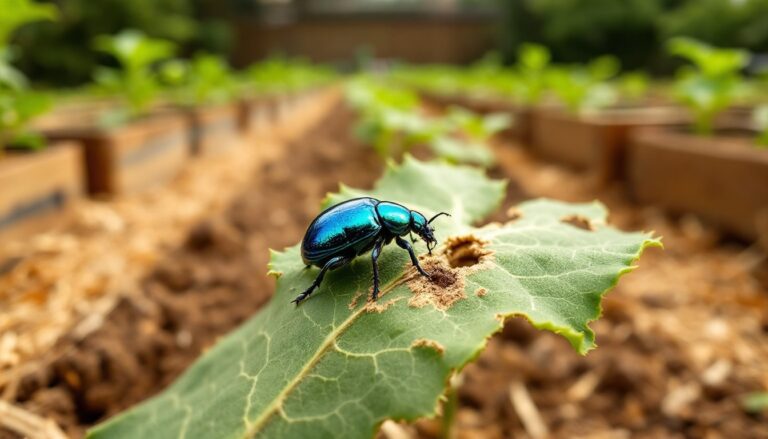
Oak borers are a different story. The twig girdler (Oncideres cingulata) severs branches by chewing a ring around the cambium, then lays eggs in the dying twig. You’ll find cleanly cut branches on the ground in late summer. The red oak borer (Enaphalodes rufulus) tunnels into the heartwood, weakening structural integrity. Infested trees show sawdust frass at the base and exit holes roughly 1/4 inch in diameter.
Caterpillars like the orange-striped oakworm (Anisota senatoria) can defoliate sections of the canopy in late summer. While healthy trees typically recover, repeated defoliation weakens the tree’s carbohydrate reserves. Bacillus thuringiensis (Bt) sprays work well on young larvae if applied early.
Scale insects and aphids feed on sap and excrete honeydew, which attracts sooty mold. The mold itself doesn’t harm the tree, but heavy scale populations can reduce vigor. Horticultural oil sprays applied during the dormant season smother overwintering scales.
How to Identify Pest Damage on Your Live Oak
Early detection is everything. Walk the perimeter of your tree every few weeks during growing season and look for these signs:
- Sudden leaf drop or browning from branch tips inward: classic oak wilt symptom. Leaves may show dark veins or bronzing.
- Small, round exit holes in bark: indicates borers. Check for sawdust or frass at the trunk base.
- Branches on the ground with clean, girdled cuts: twig girdler activity.
- Sticky residue on leaves or pavement below the canopy: aphid or scale honeydew. You’ll often see black sooty mold following.
- Clusters of round or irregular growths on leaves or twigs: gall wasps. These are usually tan, brown, or green.
- Defoliation in irregular patches: caterpillar feeding. Look for webbing or droppings on leaves.
- Wilting or flagging of individual branches: could indicate borer damage or vascular disease.
Use binoculars to inspect the upper canopy without climbing. Take photos of suspect areas for comparison or to share with an arborist. If you notice bleeding sap or fresh wounds, check for beetles (especially March through May). Nitidulid beetles are drawn to the scent within minutes.
For DIYers managing multiple tree species, understanding broader pest management strategies helps prioritize which threats require immediate action versus monitoring.
DIY Live Oak Pest Control Methods That Actually Work
Not every pest problem requires a tree service. Here’s what homeowners can handle:
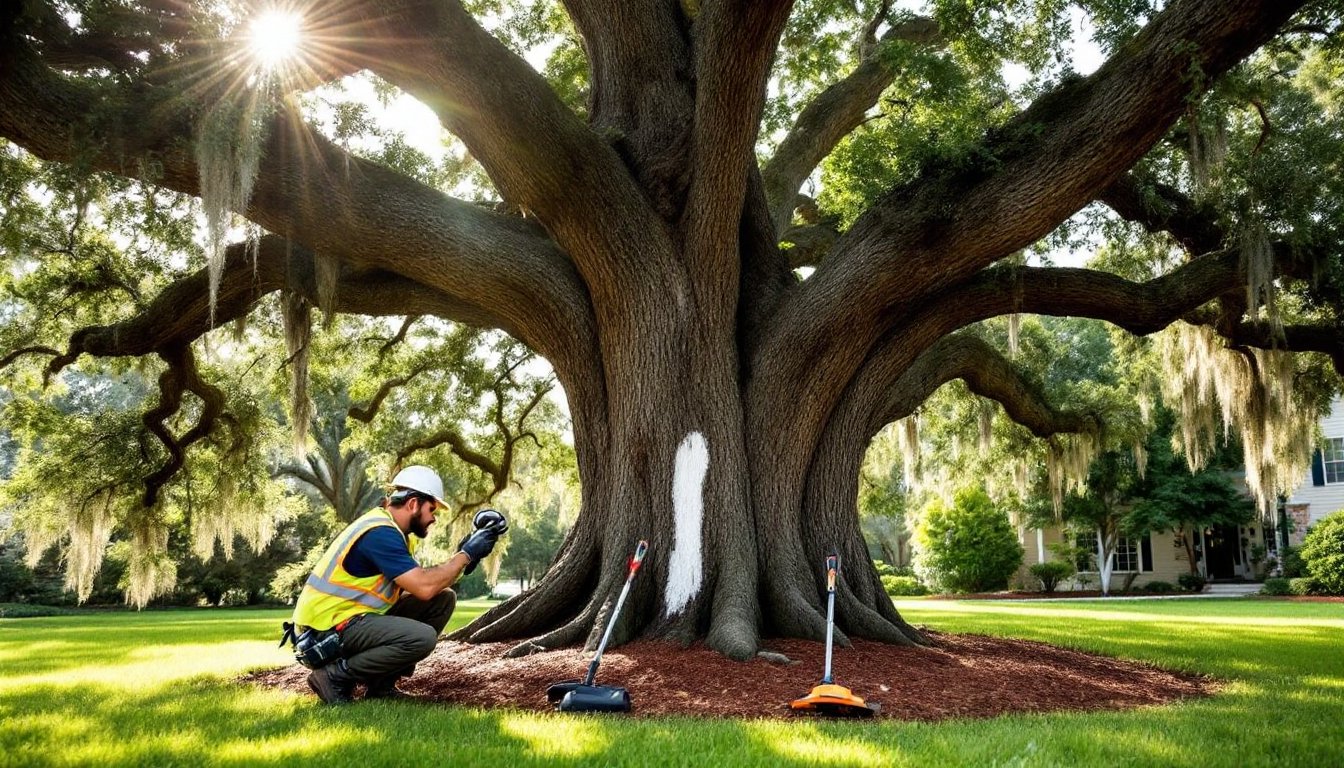
Pruning hygiene: This is the single most important preventive measure. Prune live oaks only during July through January in oak wilt regions. Immediately seal cuts larger than 1/2 inch with latex paint or commercial wound dressing. Don’t use oil-based paint, it can interfere with the tree’s natural compartmentalization. Sterilize tools between cuts with a 10% bleach solution or rubbing alcohol.
Twig girdler cleanup: Collect and destroy (burn or chip) fallen branches. The larvae overwinter in the severed twigs, so removing them breaks the cycle. Don’t leave girdled branches on the ground.
Bt spray for caterpillars: Mix Bacillus thuringiensis var. kurstaki (Btk) per label directions and spray foliage when caterpillars are small (under 1 inch). A pump sprayer works for lower branches: taller trees need a hose-end sprayer or backpack unit. Reapply after rain. Bt is safe for beneficial insects once dry and breaks down in sunlight.
Horticultural oil for scale: Apply dormant oil (also called horticultural oil) in late winter before bud break. Mix at 2-3% concentration and spray bark and branches thoroughly. This smothers overwintering scales. Don’t apply when temps are below 40°F or above 85°F, or when rain is forecast within 24 hours.
Avoid trunk wounds: Keep string trimmers and mowers at least 2 feet away from the trunk. Use mulch rings to create a buffer. Every nick in the bark is a potential entry point for borers and pathogens.
Soil health: Live oaks are adapted to slightly acidic, well-drained soils. Avoid piling mulch against the trunk (no “mulch volcanoes”). A 2-3 inch layer of shredded hardwood mulch extending to the drip line helps retain moisture and suppress weeds. Don’t fertilize established live oaks unless a soil test indicates deficiency, excess nitrogen can promote soft growth attractive to pests.
For general tree and plant health tips that complement pest control, Hunker offers seasonal maintenance guides.
When to Call a Professional Arborist
Some situations are beyond the scope of DIY:
Suspected oak wilt: If your tree shows rapid leaf drop, veinal necrosis, or wilting during the growing season, contact an ISA-certified arborist immediately. They can perform lab testing and, if confirmed, carry out trenching and removal protocols to protect neighboring trees. This isn’t a wait-and-see scenario.
Borer infestations in mature trees: Treating red oak borers or other deep-wood insects often requires trunk injections of systemic insecticides like emamectin benzoate. These are applied by licensed professionals using specialized equipment.
Canopy-level spraying: If caterpillar or scale populations are heavy and concentrated high in the canopy, arborists use hydraulic sprayers or aerial lifts to achieve coverage. Homeowner equipment rarely reaches beyond 20-25 feet.
Structural pruning: Removing large limbs (anything over 3 inches diameter) should be done by someone trained in proper cuts and rigging. Poor cuts create decay pockets. Large branches also pose serious safety risks if they fall unpredictably.
Root graft trenching: If oak wilt is confirmed nearby, trenching 4-5 feet deep between your tree and infected neighbors severs root grafts. This requires a vibratory plow or trencher and knowledge of utility locations.
Permitting and regulations: Some municipalities require permits for work on heritage or protected trees. Arborists handle the paperwork and ensure compliance with local tree ordinances.
When selecting an arborist, verify ISA certification, liability insurance, and local references. Avoid companies that recommend topping, use climbing spikes on trees that aren’t being removed, or push unnecessary treatments.
For homeowners exploring professional pest services beyond tree care, understanding when to DIY versus hiring out applies across all home maintenance tasks. Live oak health is a long game. Prevention, vigilance, and knowing your limits keep these iconic trees standing for generations.