Conventional pest control often means dousing your home in synthetic chemicals that smell harsh and leave you wondering what you’re breathing. Mighty Mint insect and pest control offers a different approach: peppermint oil-based formulas that repel and kill common household pests without the toxic residue. For homeowners who want to handle bug problems without calling an exterminator or fumigating their kitchen, this natural alternative has gained traction, especially among families with kids, pets, or sensitive noses. But does a spray that smells like candy canes actually work? And where does it fit in a practical pest management plan? Here’s what you need to know before you stock your garage with minty bottles.
Table of Contents
ToggleKey Takeaways
- Mighty Mint insect and pest control uses EPA-approved peppermint oil to kill bugs on contact and repel them through a strong menthol scent, making it a low-toxicity alternative to synthetic chemicals for households with kids and pets.
- Peppermint oil works by disrupting an insect’s exoskeleton and nervous system, but the repellent effect is temporary—typically lasting hours to a couple of days—requiring reapplication every 3–5 days during active infestations.
- Mighty Mint is most effective against soft-bodied pests like ants, spiders, roaches, and fleas, but has limited effectiveness against termites, bed bugs, and rodents, which require specialized professional treatments.
- Proper application is critical: prep surfaces, apply a light mist from 6–8 inches away to high-traffic pest zones like baseboards and under sinks, and reapply frequently for maintenance after initial knockdown.
- While Mighty Mint offers immediate pest control without staining or toxic residue, frequent reapplication and limited penetration into hidden spaces make it best used as a preventive tool combined with physical exclusion like caulking and sealing gaps.
- For active infestations, structural damage, or pest problems persisting beyond two weeks, professional pest control services are necessary as part of an integrated pest management plan.
What Is Mighty Mint Pest Control?
Mighty Mint is a line of pest control products formulated with peppermint essential oil as the active ingredient, typically at concentrations around 2–4%. Unlike pyrethroids or organophosphates used in traditional bug sprays, peppermint oil is classified as a 25(b) exempt pesticide by the EPA, meaning it’s considered minimum-risk and doesn’t require the same registration process as conventional pesticides.
The product line includes ready-to-use spray bottles, concentrate formulas for dilution, and gallon jugs for large-scale or ongoing treatment. Most formulations blend peppermint oil with water, sodium lauryl sulfate (a surfactant to help the oil mix and cling), and sometimes other plant-based oils like rosemary or cinnamon for added repellent effect.
You’ll find Mighty Mint marketed for indoor and outdoor use, targeting everything from ants and spiders to roaches, fleas, and mosquitoes. It’s sold at home improvement retailers, online, and through pest control supply shops. The appeal is straightforward: immediate knockdown of bugs on contact, residual repellent effect once dried, and a scent most humans find pleasant, or at least tolerable. It won’t stain fabrics or leave an oily film if applied correctly, and there’s no reentry waiting period like you’d have after a professional spray treatment.
How Peppermint Oil Works Against Household Pests
Peppermint oil disrupts pests in two ways: contact toxicity and repellent action. On contact, the oil breaks down the waxy outer layer (cuticle) of an insect’s exoskeleton, causing dehydration and suffocation. It also interferes with the pest’s nervous system, particularly octopamine receptors, which regulate movement and behavior. The result is rapid paralysis and death for small arthropods when directly sprayed.
As a repellent, peppermint’s strong menthol scent overwhelms the chemical receptors insects use to navigate and locate food. Ants rely on pheromone trails, peppermint masks those signals. Spiders hunt by sensing vibrations and chemical cues: a minty barrier confuses their sensory input. Roaches avoid areas with high concentrations of volatile compounds they associate with danger. For many household pests, peppermint registers as a “no-go zone.”
The effect is temporary. Once the volatile oils evaporate, usually within a few hours to a couple of days depending on airflow and surface type, the repellent action fades. That’s why natural pest deterrents require frequent reapplication compared to synthetic residual insecticides that can last weeks or months. If you’re dealing with an active infestation, peppermint alone may not provide the residual control needed to break a pest’s reproductive cycle. It works best as a maintenance tool or a first-line defense before problems escalate.
Common Pests Mighty Mint Can Eliminate
Mighty Mint is most effective against soft-bodied or smaller insects that are vulnerable to contact sprays. Here’s where it shines, and where it doesn’t:
Effective against:
- Ants (carpenter ants, sugar ants, pavement ants): Disrupts scent trails and kills on contact. Spray entry points, windowsills, and along baseboards. Reapply every 2–3 days during active seasons.
- Spiders (common house spiders, cellar spiders): Direct spray kills them quickly: residual scent discourages web-building in treated areas. Focus on corners, behind furniture, and garage entry zones.
- Roaches (German, American): Contact kill is reliable, but roaches hide in wall voids and cracks where spray can’t reach. Use as part of an integrated pest approach with baits or dust.
- Fleas and ticks: Spray pet bedding, carpets, and upholstered furniture. Not a substitute for topical pet treatments, but helps reduce environmental populations between professional treatments.
- Mosquitoes: Provides temporary knockdown when sprayed on resting surfaces (underside of deck, patio furniture, plants). Effect lasts only a few hours outdoors.
- Stink bugs and boxelder bugs: Good for seasonal invasions. Spray exterior siding, window frames, and door thresholds before fall migration.
Limited or ineffective against:
- Termites, carpenter bees, wood-boring beetles: Require specialized treatments: peppermint won’t penetrate wood or affect colony structures.
- Bed bugs: Surface contact may kill exposed nymphs, but eggs and hidden adults survive. Professional heat or chemical treatment is necessary.
- Rodents: Peppermint sachets and oils have minimal effect on mice or rats even though popular myths. For information on rodent control, homeowners should consult resources like Today’s Homeowner for reliable guidance.
If you’re seeing more than a handful of pests weekly, or if you’ve got structural damage (chewed wires, droppings in walls, carpenter ant frass), you need more than a spray bottle. That’s when certified pest control comes into play.
How to Use Mighty Mint Products Effectively
Application technique makes the difference between a minty-fresh house with no bugs and a minty-fresh house still crawling with bugs. Here’s how to deploy it right.
Indoor Application Tips
Prep the surface first. Wipe down baseboards, windowsills, and countertops with a damp cloth to remove dust, grease, and existing bug debris. Peppermint oil adheres better to clean surfaces, and you won’t just be spraying over a layer of grime.
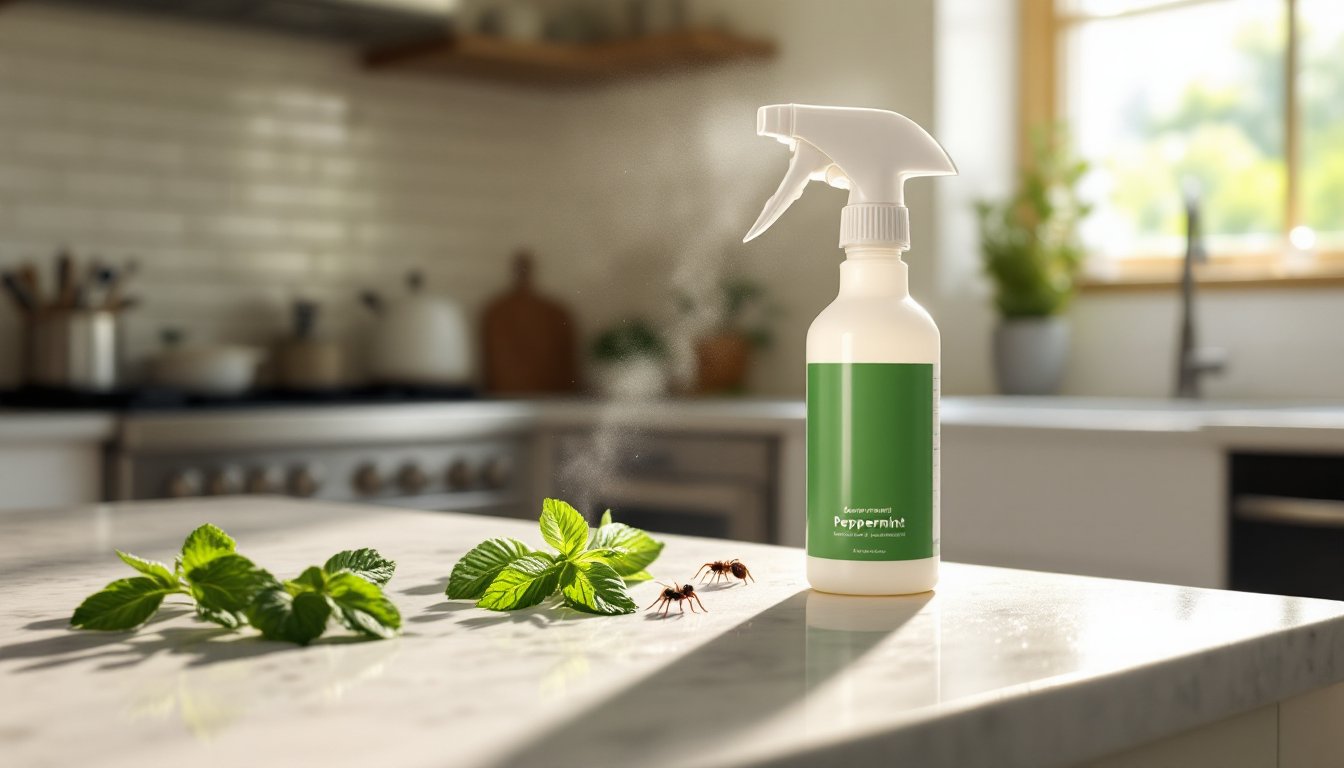
Shake the bottle well before each use, oil and water separate quickly. Hold the spray nozzle 6–8 inches from the surface and apply a light, even mist. You want damp coverage, not dripping puddles. Over-saturating doesn’t improve performance and can leave sticky residue or stain porous materials.
Target high-traffic pest zones:
- Under sinks and around pipe penetrations
- Behind appliances (fridge, stove, dishwasher)
- Along baseboards and door thresholds
- Inside cabinets (corners and hinge areas)
- Window and door frames, especially where trim meets drywall
- Cracks in tile grout or along backsplash edges
Wear nitrile gloves if you have sensitive skin, essential oils can cause irritation with prolonged contact. Use in a ventilated space: while peppermint is generally safe, aerosolized oil in a closed room can be overpowering and trigger headaches in some people.
Reapply every 3–5 days during active infestations, then weekly for maintenance once pest activity drops. For storing items or protecting seasonal decor, spray cardboard boxes and plastic bins before sealing them up.
Outdoor Perimeter Treatment
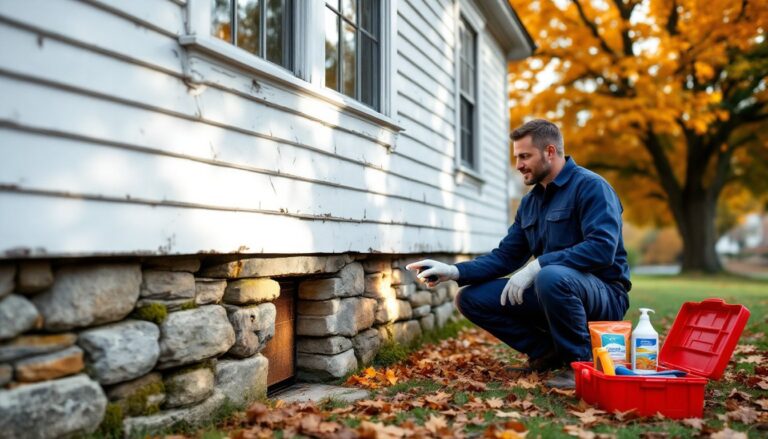
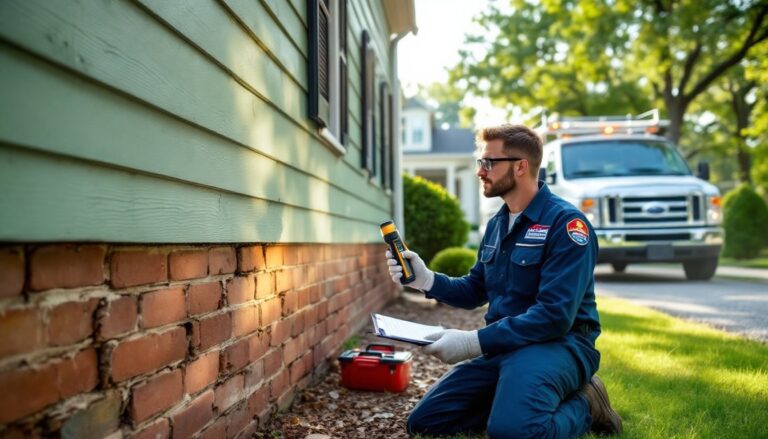
Apply Mighty Mint along the foundation line where siding meets soil or concrete. Pests often enter through expansion joints, weep holes, and cracks in mortar. Spray a 12–18 inch band along the entire perimeter, focusing on:
- Window wells and basement vents
- Utility line entry points (cable, electric, gas meter)
- Door thresholds and garage door seals
- Deck posts and stair stringers
- Mulch beds and landscape edging (ants and spiders nest here)
Timing matters. Treat in the morning or late afternoon when temperatures are moderate. If you spray in direct midday sun, the oil evaporates too quickly. Rain washes it away, so check the forecast and reapply after heavy weather.
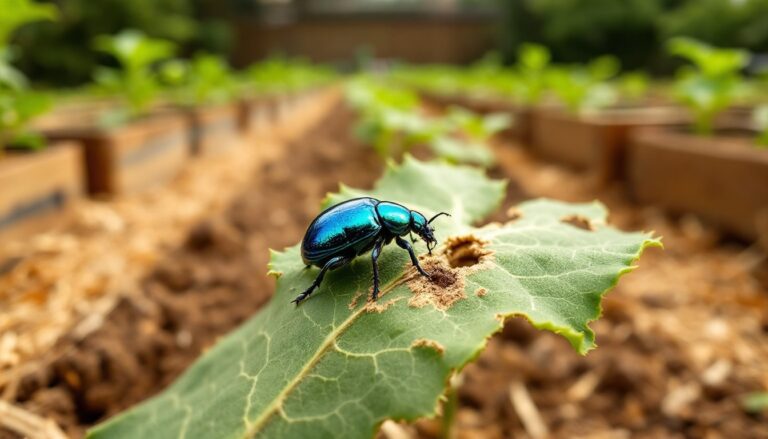
For decks, patios, and outdoor furniture, spray the underside of surfaces where spiders and wasps build nests. Don’t spray directly on plants you plan to eat, peppermint oil can damage tender leaves and affect flavor. Around vegetable gardens, apply to raised bed frames, trellises, and nearby fencing instead.
Use a pump sprayer for large areas (gallon jugs of concentrate work better here). Mix according to label directions, usually 2–4 ounces of concentrate per gallon of water. A standard 1-gallon pump sprayer covers about 500–750 square feet depending on application density. Techniques for effective outdoor treatments often include perimeter sprays combined with granular barriers.
Pros and Cons of Natural Peppermint Pest Control
Like any tool in your home maintenance kit, Mighty Mint has specific strengths and limitations. Here’s the honest rundown.
Pros:
- Low toxicity: Safe around kids and pets once dried. No need to vacate your home or worry about residue on countertops.
- Pleasant scent: Most people prefer peppermint to the chemical odor of traditional bug sprays. Some homeowners integrate tips from home organization resources to keep pest-prone areas tidy and less attractive to insects.
- No staining: Won’t discolor fabrics, carpet, or wood when applied as directed.
- Immediate knockdown: Kills bugs on contact as effectively as many synthetic sprays.
- Flexible use: Indoor, outdoor, food-prep areas, pet bedding, few restrictions.
- No professional license required: Available over the counter: no special training needed.
Cons:
- Short residual effect: Requires frequent reapplication, every few days during active pest pressure. For homeowners comparing options, understanding the differences in treatment frequency can help set realistic expectations.
- Limited penetration: Only works where you can spray directly. Bugs hiding in wall voids, under flooring, or inside appliances won’t be affected.
- Not a standalone solution for heavy infestations: If you’ve got German roaches breeding in your cabinets or a carpenter ant colony in your wall studs, peppermint is a supplement, not a cure.
- Cost per application: At roughly $12–$20 per 32-ounce bottle (retail pricing as of 2026), treating a whole house weekly adds up compared to a single professional treatment that lasts months.
- Weather-dependent outdoors: Rain, sprinklers, and dew dilute or wash away the spray, requiring constant reapplication in humid or wet climates.
- Potential for skin or respiratory irritation: Rare, but possible in individuals sensitive to essential oils. Always test a small area first if you have allergies.
When to use it: As a preventive barrier during spring and fall pest migrations, for light spot treatments of individual bugs, or as a bridge between professional services. Combine with physical exclusion (caulking cracks, fixing screens, sealing gaps) for best results. Pairing approaches like bait treatments with repellent sprays can improve overall control.
When to call a pro: Active nests (wasps, hornets, carpenter ants), signs of termites or wood damage, bed bug sightings, rodent droppings, or any pest problem that persists after two weeks of consistent treatment. Many pest control professionals offer free inspections and can integrate natural products into a broader IPM (Integrated Pest Management) plan if that’s your preference.
Mighty Mint works, but it works best when you understand what it can and can’t do, and when you’re willing to stay on top of reapplication. If that fits your maintenance style and pest pressure level, it’s a solid addition to your home defense toolkit.