Pests don’t wait for an invitation, they find cracks, gaps, and opportunities wherever they can. In Uxbridge, where older Colonial-era homes mix with newer construction, those entry points are everywhere. Whether it’s mice settling into wall voids for the winter, carpenter ants chewing through sill plates, or wasps building nests under eaves, the battle for a pest-free home is ongoing. This guide walks through identification, prevention, and treatment strategies that work in the local climate and housing stock, so homeowners can decide when to DIY and when to dial a pro.
Table of Contents
ToggleKey Takeaways
- Uxbridge homes face year-round pest challenges including rodents, carpenter ants, wasps, and termites due to the region’s humidity, older housing stock, and wooded lots, making proactive pest control essential.
- Early detection of droppings, gnaw marks, structural damage, and live insects can save significant money and prevent costly damage to floors, walls, and electrical systems.
- DIY pest control methods like sealing gaps with hardware cloth, placing snap traps, and applying perimeter sprays work for minor infestations, but professional Uxbridge pest control services are necessary for structural damage, recurring problems, and hard-to-reach nests.
- Natural pest prevention approaches including diatomaceous earth, essential oil sprays, and physical barriers offer eco-friendly alternatives, though they are less effective than conventional treatments for large infestations.
- A seasonal maintenance calendar—inspecting for termite swarmers in spring, monitoring for wasps in summer, sealing rodent entry points in fall, and checking for nesting material in winter—provides year-round protection.
- Long-term pest prevention relies on moisture control, proper food storage, foundation maintenance, and routine quarterly inspections to eliminate conditions that attract pests.
Common Pest Problems in Uxbridge Homes
Uxbridge sits in the Blackstone Valley, where humidity, older housing stock, and wooded lots create ideal conditions for a rotating cast of pests.
Rodents (house mice and Norway rats) are year-round issues, especially in homes with stone foundations or crawl spaces. Mice can squeeze through gaps as small as ¼ inch, about the diameter of a pencil, and once inside, they nest in insulation, chew wiring, and leave droppings in stored goods. Norway rats prefer basements and burrow along foundation walls.
Carpenter ants thrive in the region’s humid summers and target damp or rotted wood. Unlike termites, they don’t eat wood, they excavate it to build galleries. Piles of fine sawdust (frass) near baseboards or windowsills are the giveaway.
Wasps and hornets build paper nests in eaves, attics, and wall voids from late spring through fall. Bald-faced hornets are particularly aggressive and build large, football-sized nests in trees or under soffits.
Subterranean termites are active in Massachusetts and can silently damage floor joists and sill plates. They need soil contact and moisture, so homes with poor drainage or wood-to-ground contact are most vulnerable.
Occasional invaders like ladybugs, boxelder bugs, and cluster flies swarm homes in fall looking for overwintering sites. They’re not destructive, but they’re a nuisance in large numbers and can stain surfaces if crushed.
Signs You Need Pest Control Services
Spotting pests early can save serious money and structural damage. Here’s what to watch for.
Droppings and urine stains. Mouse droppings look like dark grains of rice and show up along baseboards, in cabinets, and near food storage. Fresh droppings are soft and dark: old ones are dry and gray. Rat droppings are larger, about ¾ inch long with blunt ends.
Gnaw marks and damage. Rodents gnaw constantly to keep incisors trimmed. Look for chewed food packaging, shredded insulation, and bite marks on wood trim or PEX plumbing lines. Electrical fires have been traced to pest activity in wall cavities.
Live or dead insects. Seeing one carpenter ant doesn’t mean infestation, but a dozen crawling near a window in late winter suggests an active colony inside. Termite swarmers (winged reproductives) in spring are a red flag, they emerge from established colonies.
Structural damage. Sagging floors, buckling wood, or hollow-sounding baseboards can indicate termite or carpenter ant damage. Tap suspect areas with a screwdriver handle: if the wood sounds hollow or the screwdriver sinks in easily, there’s likely interior damage.
Nests and hives. Paper wasp nests hang from eaves like upside-down umbrellas. Mud tubes running up foundation walls are a telltale sign of subterranean termites bridging from soil to wood.
Noises in walls or ceilings. Scratching, scurrying, or gnawing sounds at night usually mean rodents. Squirrels are louder and most active at dawn and dusk.
DIY Pest Control Solutions for Uxbridge Homeowners
Many pest problems can be managed without hiring a pro, especially if caught early and addressed with consistent effort.
Rodent control starts with exclusion. Walk the foundation perimeter and seal gaps with ¼-inch galvanized hardware cloth or copper mesh, steel wool rusts out. Pay close attention to where utilities enter (electric, gas, cable). Snap traps baited with peanut butter work better than glue boards and kill quickly. Place traps perpendicular to walls with the trigger end facing the baseboard. For severe infestations, using boric acid in wall voids can provide long-term suppression, though it’s more effective against insects than rodents.
Ant control requires finding the colony. Carpenter ants often trail from a satellite nest indoors back to a parent nest in a tree stump or woodpile outside. Follow the trail at night (they’re nocturnal) and treat both nests with a perimeter spray rated for carpenter ants. Baits work for odorous house ants but are less effective on carpenters.
Wasp and hornet nests should be treated at dusk when insects are inside and less active. Wear long sleeves, gloves, and safety goggles. Use a foaming spray rated for hornets with a 20-foot reach. Spray directly into the nest opening, then retreat quickly. Wait 24 hours before removing the nest.
Preventive treatments include applying a perimeter spray around the foundation in early spring and again in late summer. Products containing bifenthrin or permethrin provide residual control for 30–60 days. Always follow label instructions and avoid spraying near wells or storm drains.
Natural and Eco-Friendly Pest Prevention Methods
Chemical treatments aren’t the only option. Natural methods can reduce pest pressure without synthetic pesticides.
Diatomaceous earth (DE) is a fine powder made from fossilized algae. It’s non-toxic to humans and pets but deadly to insects, sharp particles damage their exoskeletons, causing dehydration. Dust DE into wall voids, attics, and along baseboards. Wear a dust mask: it’s irritating to lungs.
Essential oil sprays (peppermint, clove, and eucalyptus) repel rodents and insects. Mix 10–15 drops of oil per cup of water in a spray bottle and apply to entry points. Reapply weekly. Effectiveness is limited compared to conventional treatments.
Physical barriers are the most reliable eco-friendly method. Install door sweeps on exterior doors, add screen vents to foundation vents, and use chimney caps with mesh screening.
Beneficial insects like ladybugs and parasitic wasps can control aphids and other garden pests, reducing the likelihood they’ll move indoors. Planting native flowers attracts these predators naturally.
When to Call Professional Pest Control in Uxbridge
Some situations are beyond DIY scope, either because of safety, scale, or specialized equipment requirements.
Structural infestations. If termites, carpenter ants, or powder post beetles have damaged floor joists, sill plates, or roof framing, a certified pest control operator should inspect and treat the issue. Treatment often involves drilling into slabs or injecting foam insecticide into wall voids, work that requires licensing in Massachusetts.
Recurring problems. If traps and sprays aren’t solving the issue after 2–3 weeks, there’s likely a hidden nest, entry point, or conducive condition a pro can identify. Professionals use tools like moisture meters, infrared cameras, and borescopes to find pest harborages.
Wasps and hornets in hard-to-reach areas. Nests inside wall voids, attics, or high soffits are dangerous to treat without proper ladders, protective gear, and experience. A sting from a bald-faced hornet can trigger severe allergic reactions.
Bed bugs. These require heat treatment or fumigation, not a DIY job. Bed bugs hide in seams, outlets, and cracks and resist most over-the-counter sprays.
Wildlife removal. Bats, raccoons, and squirrels in attics require humane trapping and exclusion work, often regulated by state wildlife laws. Handling bats without rabies vaccination is unsafe.
When choosing a contractor, verify they’re licensed by the Massachusetts Pesticide Bureau and insured. Ask for an inspection report, treatment plan, and warranty. Reviews on platforms like HomeAdvisor and local service directories can help identify reputable operators in Uxbridge.
Seasonal Pest Control Tips for Year-Round Protection
Pest pressure shifts with the seasons. A calendar-based approach keeps problems from taking hold.
Spring (March–May): Inspect for termite swarmers and carpenter ant activity. Check window wells, crawl spaces, and sill plates for moisture damage. Apply perimeter spray as soil temps warm above 50°F. Clean gutters and extend downspouts, standing water attracts mosquitoes and supports termite colonies.
Summer (June–August): Wasps and hornets build nests: scout eaves, attics, and sheds monthly. Trim vegetation back from the foundation, 12–18 inches of clearance reduces ant and spider pressure. Seal cracks in masonry and re-caulk around windows and doors.
Fall (September–November): Rodents and occasional invaders seek indoor shelter as temps drop. Inspect weatherstripping, door sweeps, and foundation vents. Store firewood at least 20 feet from the house and off the ground. Rake leaf litter and remove mulch within 6 inches of the foundation.
Winter (December–February): Monitor attics and basements for rodent droppings or nesting material. Check stored boxes and holiday decorations for signs of mice. This is prime time for professional inspections, as many companies offer off-season discounts and technicians have more availability.
Preventing Future Infestations: Home Maintenance Strategies
Long-term pest control hinges on making the home less hospitable, eliminating food, water, and shelter.
Moisture control is critical. Fix leaky faucets, repair roof flashing, and install vapor barriers in crawl spaces. Use a dehumidifier in basements to keep humidity below 50%, carpenter ants and silverfish thrive above that threshold.
Proper storage reduces attractants. Keep pantry items in airtight plastic or glass containers. Don’t leave pet food out overnight. Store garbage in sealed bins and rinse recyclables before placing them in bins.
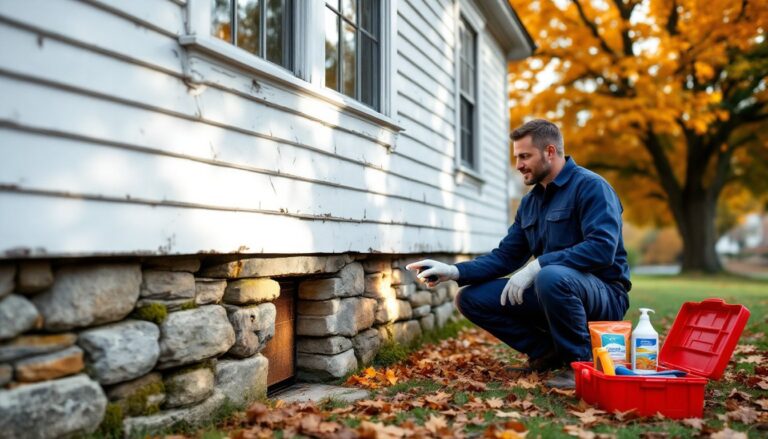
Foundation and exterior maintenance closes entry points. Patch cracks in foundation walls with hydraulic cement or polyurethane caulk. Replace rotted sill plates or rim joists, wood-to-soil contact is an open invitation to termites. Install gravel or stone borders instead of mulch directly against the foundation.
Attic and crawl space upkeep matters. Screen gable vents with ¼-inch hardware cloth. Insulate and ventilate attics properly to prevent condensation, which attracts pests. Seal around plumbing and electrical penetrations with expanding foam rated for pest exclusion.
Landscaping adjustments reduce pest habitat. Trim tree branches so they don’t touch the roof, squirrels and ants use them as highways. Remove dead trees and stumps, which house carpenter ant parent colonies. Keep mulch depth to 2–3 inches and refresh annually.
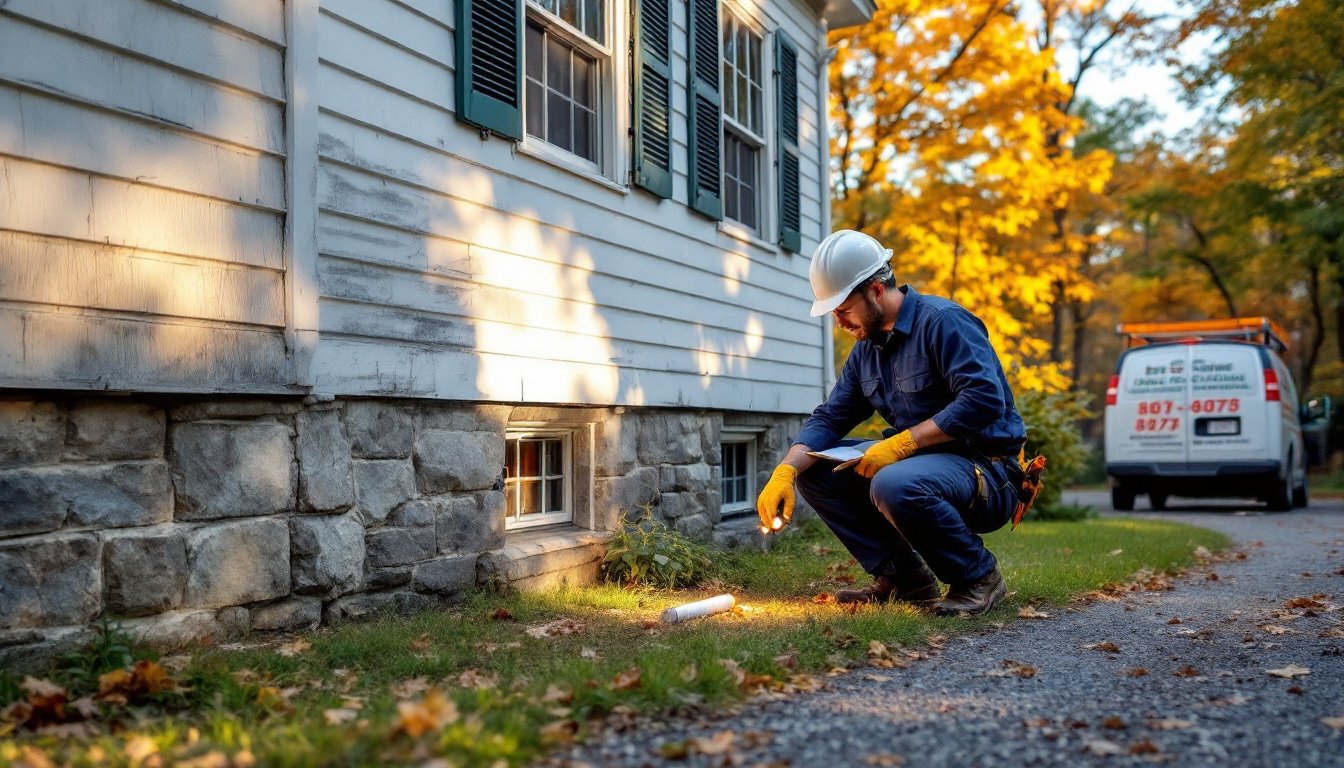
Routine inspections catch small problems before they escalate. Once a quarter, walk the basement, attic, and perimeter with a flashlight. Look for droppings, damage, and moisture. An ounce of prevention beats a pound of fumigation. Resources like Bob Vila’s pest prevention guides offer additional maintenance checklists for different home types and climates.